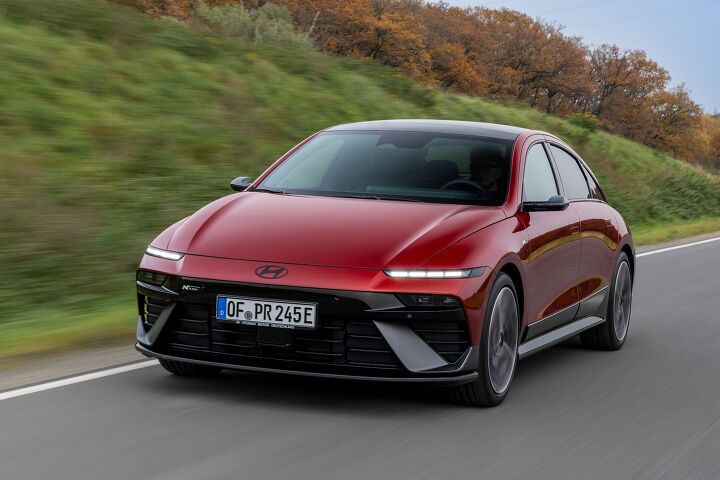
Hyundai will not be bringing the updated 2026 Hyundai Ioniq 6 EV to the United States. However, Americans will still be able to lay their hands on overstocked 2025 models and the performance-enhanced 2026 Hyundai Ioniq 6 N.
Despite the automaker having revealed the refreshed Ioniq 6 last year, with all signs pointing to it coming to U.S. dealerships, Hyundai has decided to keep the base model away from the market. There are a lot of reasons as to why, most of them quite obvious.
The all-electric Ioniq 5 is significantly more popular and produced domestically, helping it avoid some of the recent tariffs targeting imported automobiles. In terms of sales, the Ioniq 5 crossover saw 47,039 deliveries inside the United States for 2025. However, the Ioniq 6 sedan just managed to move 9,989 units within the same timeframe.
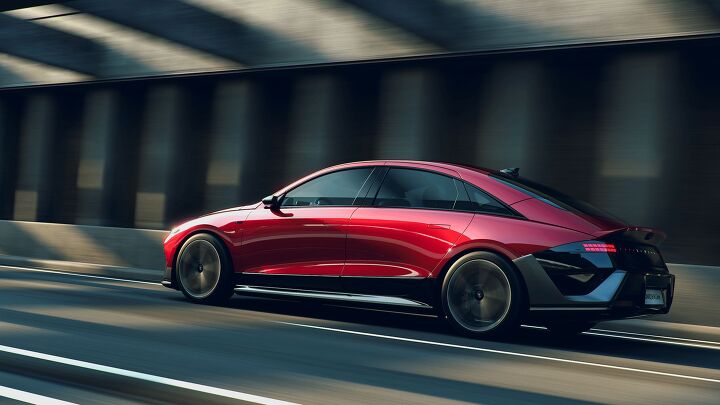
While both models experienced a decline in demand during the third quarter of the year, the difference in peak sales was also much wider for the Ioniq 6. This suggests that some people will continue to purchase the all-electric crossover without benefiting from the $7,500 federal EV tax credit, with far less willing to move on Hyundai’s sedan.
This isn’t an issue of allocation either. Hyundai dealers have enough inventories to serve anybody that still wants the regular version of the Ioniq 6 for several months. You might even be able to negotiate a sizable discount on them since they’re not exactly flying off the lot. But those pre-2026 models (below) will be the end of the story on this market — unless you want to splurge on the sporty N variant.
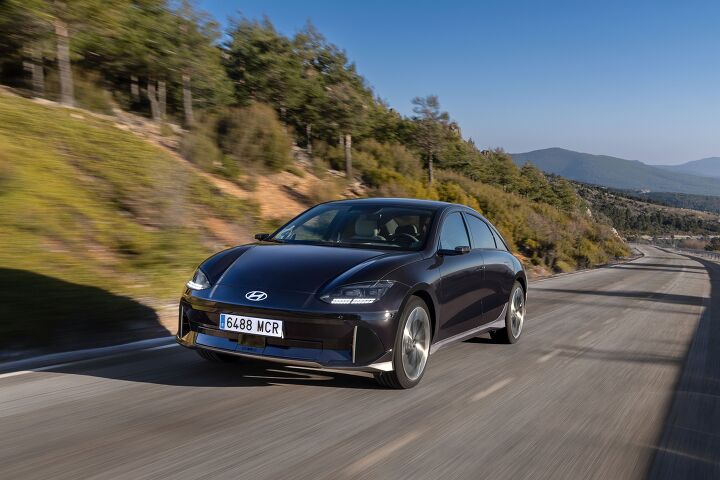
"Going forward, our award-winning Ioniq 6 lineup will consist of the all-new Ioniq 6 N," a Hyundai spokesperson confirmed with Edmunds. "Ioniq 6 N arrives later this year. In the meantime, 2025 Ioniq 6 sedans continue to be available."
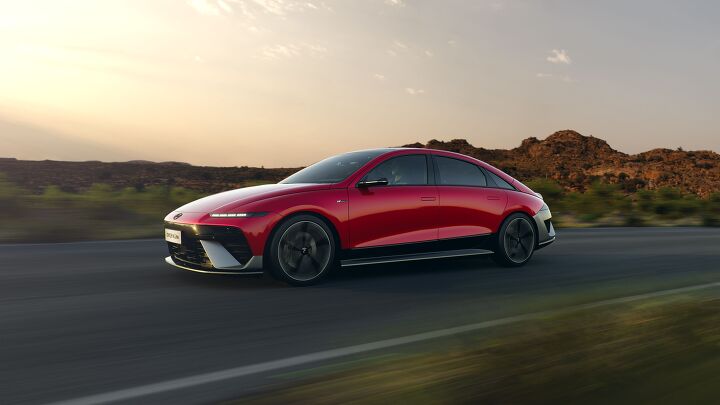
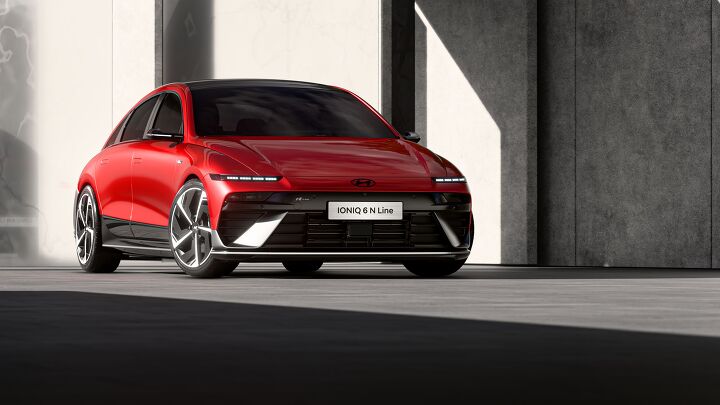
Unlike the standard Ioniq 6 Hyundai offered with a single or dual-motor setup, pushing anywhere from 149 to 320 horsepower, the N version boasts a juicy 641 electrified ponies capable of launching the vehicle to 60 mph in roughly 3 seconds.
It comes with upgraded brakes, an improved suspension, grippy tires, an aggressive appearance package, and an MSRP suspected to be in excess of $70,000. That’s almost double what the base version retailed for last year, especially if you managed to talk the dealer down after noticing there were a few more than they needed in the showroom.
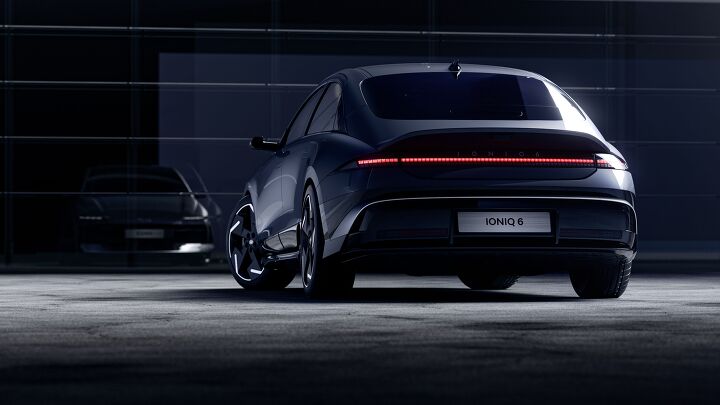
With data showing that the average EV tends to go to individuals making over $200,000 each year, it makes some sense for Hyundai to stick with the pricier N model. But this has also been a criticism for why EVs haven’t seen the adoption rates allegedly desired by the previous government and industry leaders. One would think automakers would want more electrics with budget-conscious MSRPs if they were concerned about volume.
But we can point back to the Ioniq 5 for that. Like some other brands, Hyundai dropped the price of its most-popular electric model immediately after the United States ended the federal EV tax credit scheme in September.
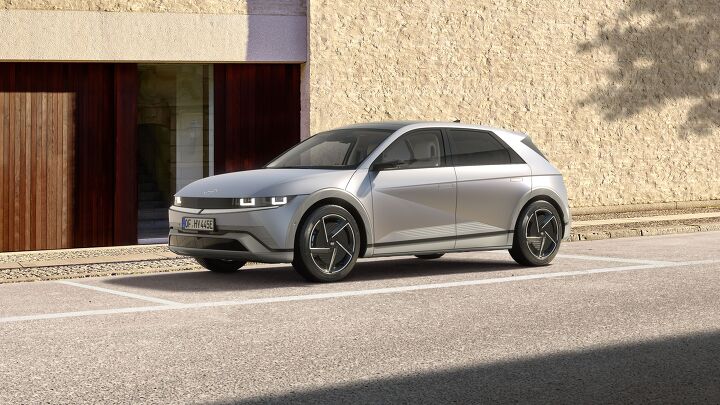
In 2024, the Hyundai Ioniq 5 (above) started right around $43,200. For 2026, it’s going to launch with a base MSRP of $36,600 — which slightly undermines the whole premise of automakers needing EV to be subsidized by taxpayers in the first place. However, we don’t know exactly what the margins on these vehicles were.
Previously, Hyundai said it was targeting a profit margin of over 10 percent on its EVs. But subsequent analysis suggests that the number may have been closer to 20 percent going into 2025. That’s exceptionally high, even relative to combustion trucks, SUVs, and luxury vehicles which boast some of the highest profit margins for automakers already.
That said, reducing MSRP to help drive volume after the tax credits were removed is going to eat into whatever margins Hyundai previously enjoyed. Automakers have also complained about how sizable the development costs for EVs have been over the years. But if the locally produced Ioniq 5 isn’t still making the business money, one assumes Hyundai would have abandoned it along with the standard Ioniq 6.
Frankly, it’s a little sad to learn the model won’t be around — and that’s coming from someone who is hardly known as an advocate for electrification. The Ioniq 6 was one of the more interesting all-electric vehicles on the market. Charging times were admirable and peak range often bested the boxier Ioniq 5 thanks to the 6 having a more aerodynamic profile. It was also the cheaper of the two before the post-credit reductions. But it doesn’t really make sense for Hyundai to field two versions of what are effectively different body styles of the same model when one wasn’t selling and now costs significantly more to ship stateside.
[Images: Hyundai]
Become a TTAC insider. Get the latest news, features, TTAC takes, and everything else that gets to the truth about cars first by subscribing to our newsletter.
via Autobuzz Today
Comments
Post a Comment