Out of all the ostentatious European machinery that became wealth-flaunting signifiers for newly rich Americans during the middle 1980s, which was the cocainiest? I've found a discarded example of one of the strongest contenders for that title, now residing in a Denver car graveyard.
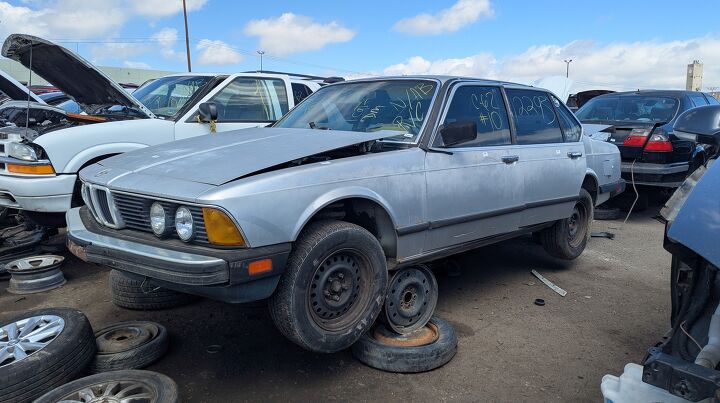
In my opinion, the honor of Cocainiest Car of the Middle 1980s is a two-way tie between two BMWs: the E24 L6 and the E23 L7.
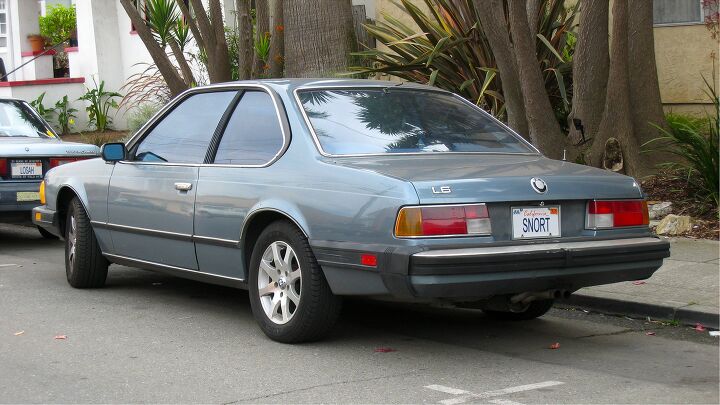
I've been looking for L6s and L7s in the boneyards since I started doing this job nearly 20 years ago, and today's car is the first after all that time (not counting ones that were too crashed and/or stripped to be recognizable). The best I'd been able to do prior to now is this street-parked L6 I shot on the Island That Rust Forgot for the Down on the Street series, back in 2007.
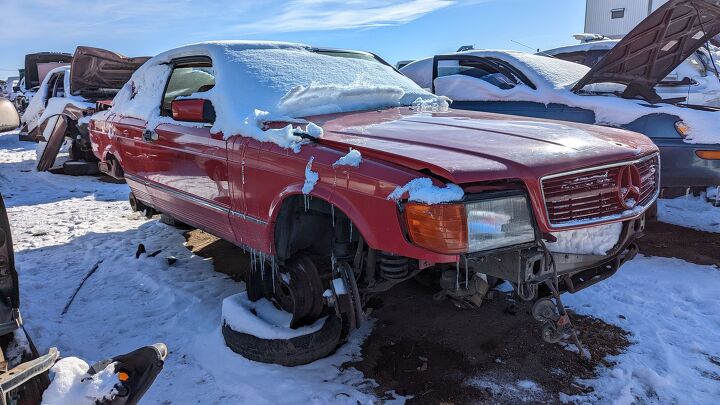
There are other contenders for Cocainiest Car of the Middle 1980s, of course. I think all qualifiers must be European; Japanese machinery was too sensible, American luxury cars were for old people and the C4 Corvette was for track geeks. A strong candidate is the Mercedes-Benz W126 coupe.
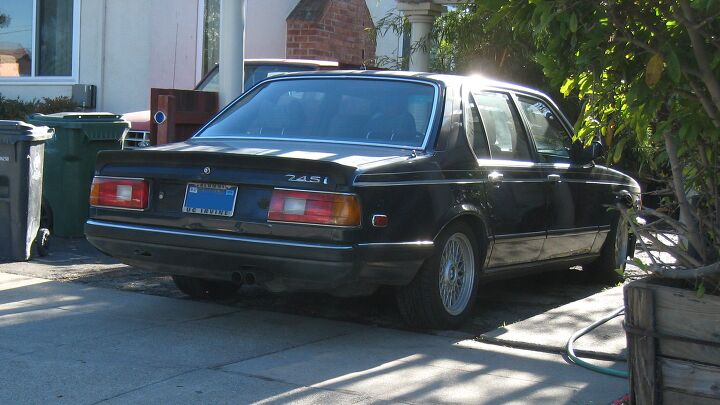
The argument could be made that the Europe-only turbocharged 745i version of the E23 7 Series was even cocainier than the L7, and the shady entrepreneurs importing gray-market European luxury machines would have known their way around a rolled-up $100 bill. Discuss.
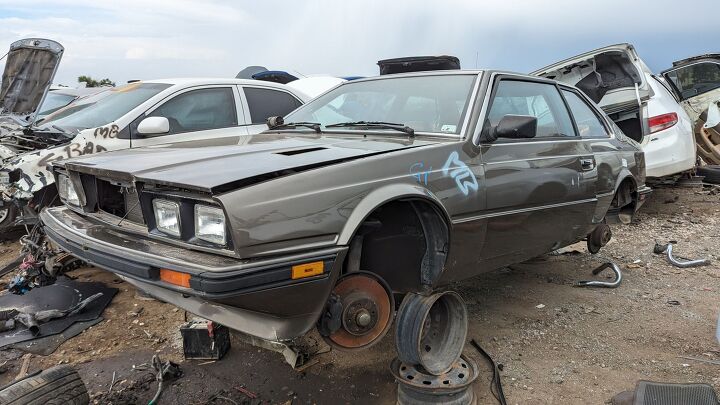
A powerful case can be made for the Maserati Biturbo, ownership of which demonstrated to the world that its owner had the cashflow to pay for major repairs every few weeks.
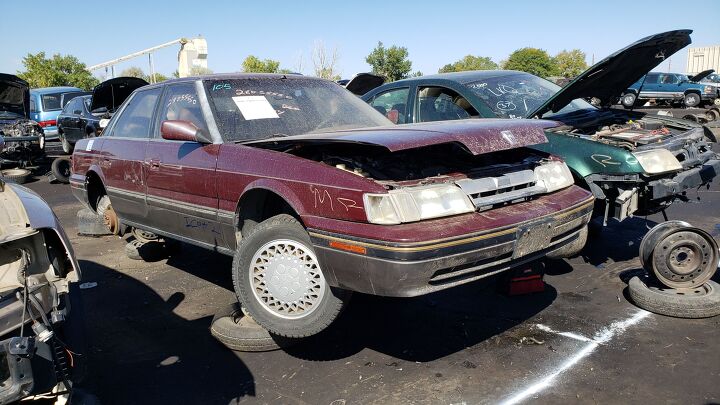
The Sterling managed to conjure up some white-powder allure, despite its Honda ancestry, thanks to its interior that looked like the sort of leather-walled London private club in which Thatcher-era privatizers celebrated the wealth siphoned from the blood of the working classes.
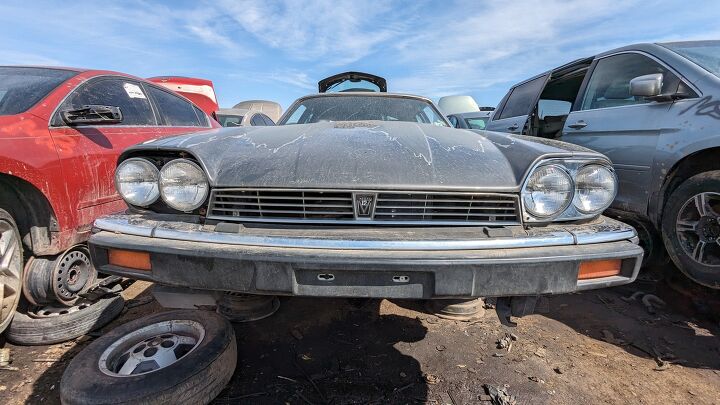
The Jaguar XJ-S? A fine choice indeed for hoovering a fat rail of Bolivian Marching Powder out of a $2,000-a-night call girl's cleavage after closing a "dead horses for dead cows" deal between a pair of doomed S&Ls!
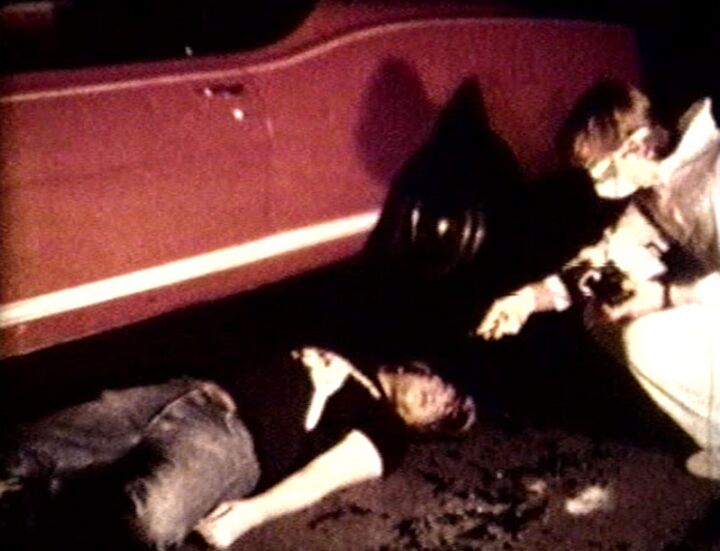
Speaking of the looting of America's S&Ls during the 1980s, I was able to observe many of the participants' cocainewagens in their natural habitat at that time: the streets around Lincoln Savings and Loan Association and other dodgy Orange County S&Ls. This was from the vantage point of my 1968 Mercury Cyclone, shown above in a 1985 Super-8 frame with me collapsed next to it in a Dark Angel t-shirt.
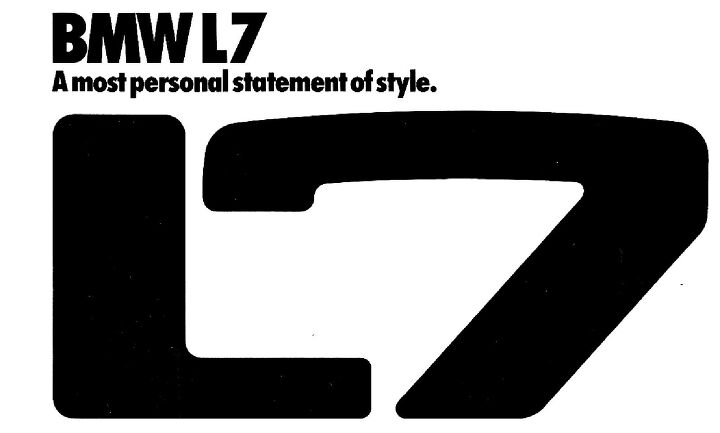
For the 1986 model year, the L7 was the most expensive BMW model sold in the United States. Its MSRP was $42,920, which comes to about $130,413 in 2026 dollars (I paid about one percent of that price for my Cyclone, including the cost of the 351 Windsor swap).
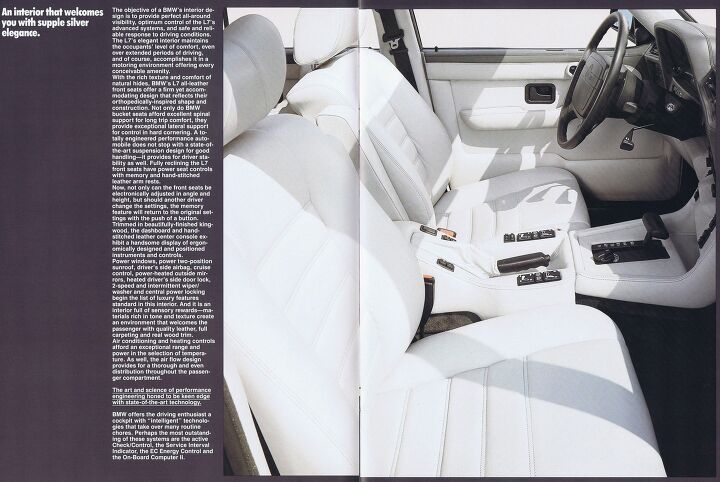
The L7 was at heart a U.S./Japan-only trim package for the 735i, which listed at $38,280 in 1986. It was available for just the 1985 through 1987 model years.
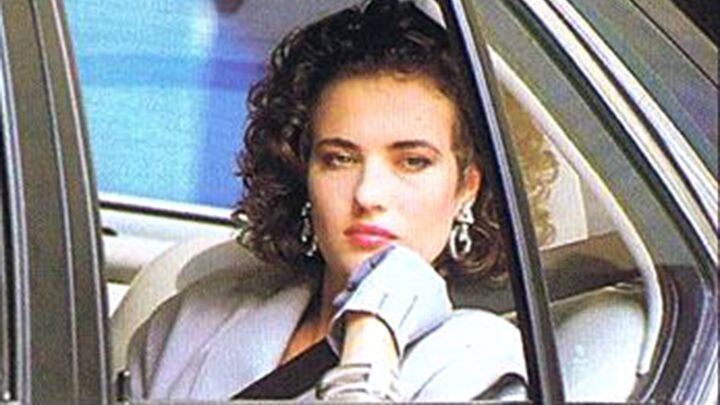
The white-glove-wearing back-seat L7 passenger in the BMW brochure seems appropriately jaded.
A new 1986 Mercedes-Benz 560 SEC cost $58,700, or about $178,360 after inflation. However, the Benz was a lot stodgier.
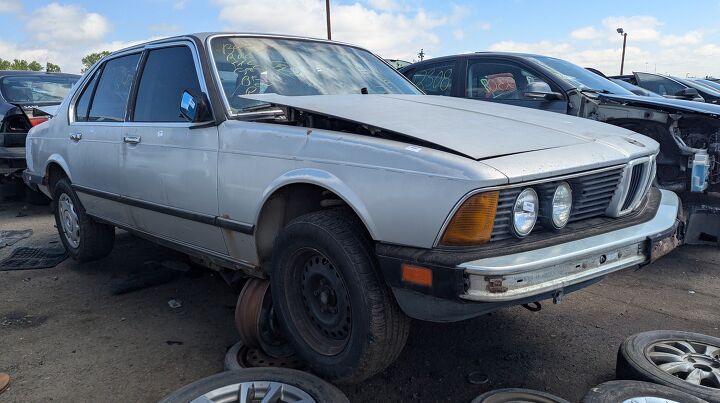
This car is well-worn but not completely trashed.
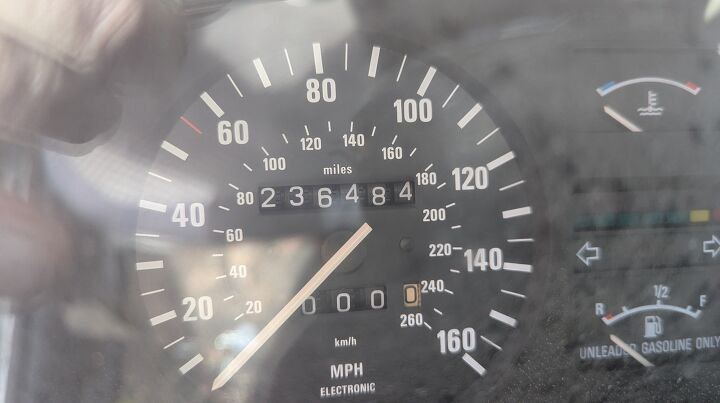
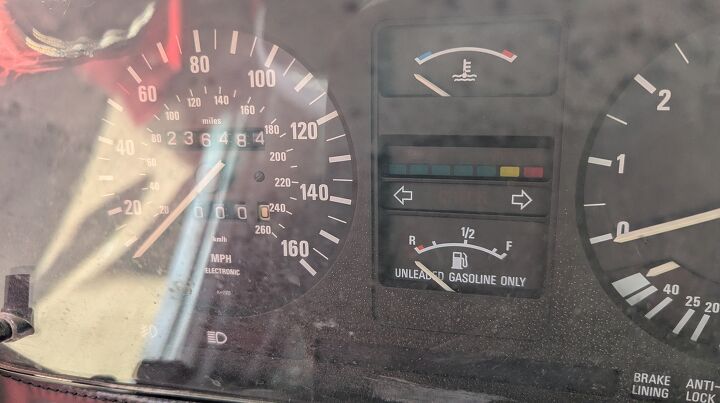
It has a respectable final odometer reading for a 1980s BMW. With all my junkyard exploration, I've managed to document just a single BMW with better than 300,000 miles on the clock at the end ( a 1982 E23).
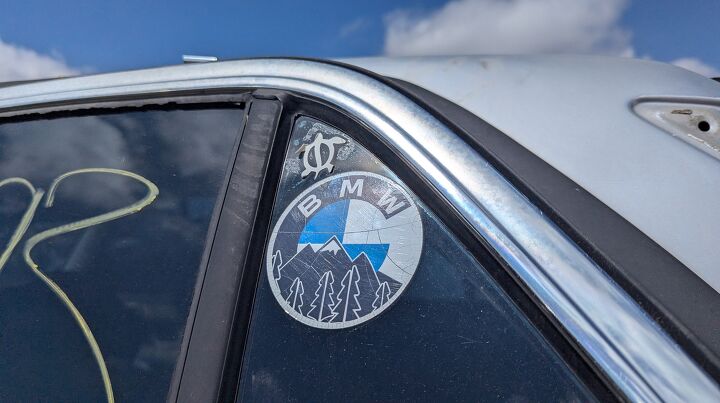
The 7 Series has always been a rapid depreciator, and third and subsequent owners of these cars didn't always keep up with required maintenance and repairs. It appears that this car was owned by a BMW enthusiast.
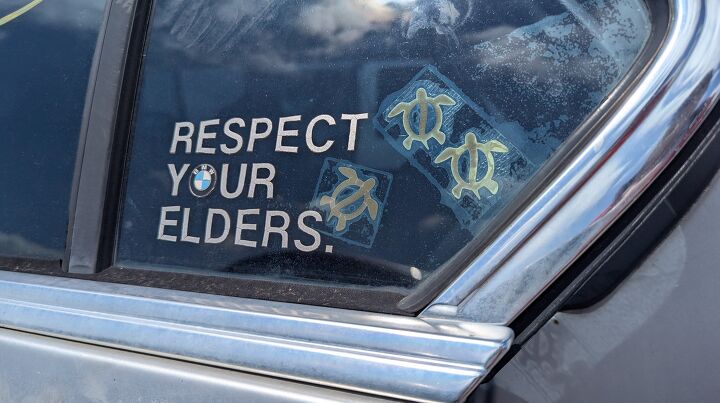
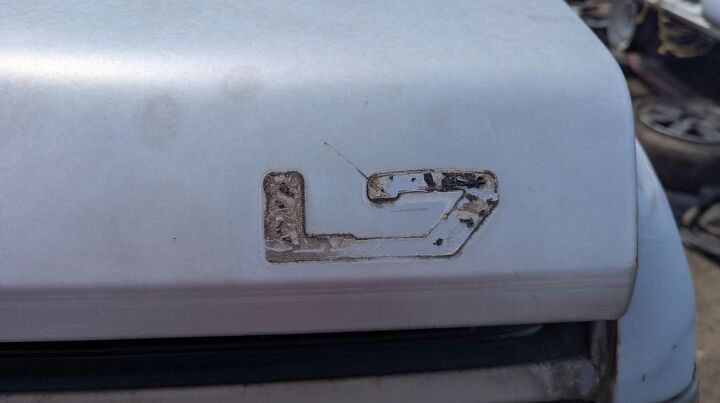
In recent years, crackle-tuned Evos and WRXs in the Colorado Front Range area have been replaced by crackle-tuned BMW E46s and E90s trailing the same miasma of vape fumes and unburnt hydrocarbons. This car's final owner had a message for those drivers.
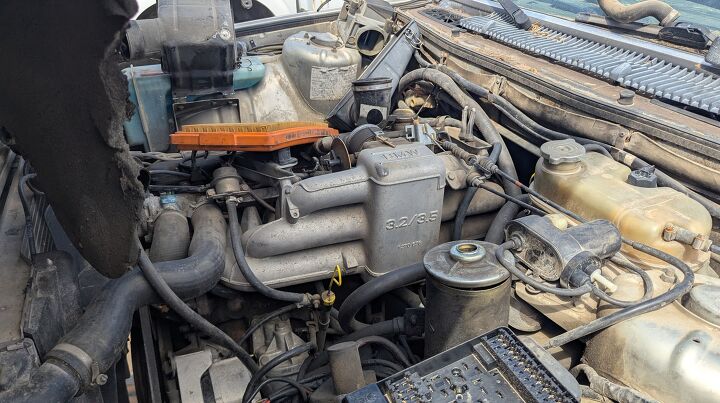
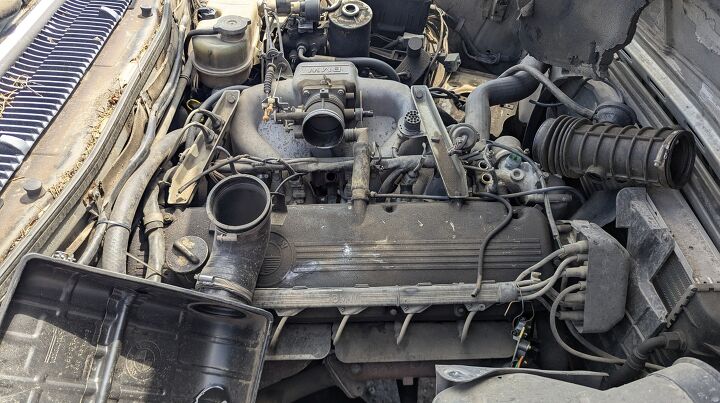
The engine is a 3.5-liter SOHC straight-six rated at 182 horsepower and 214 lb-ft.
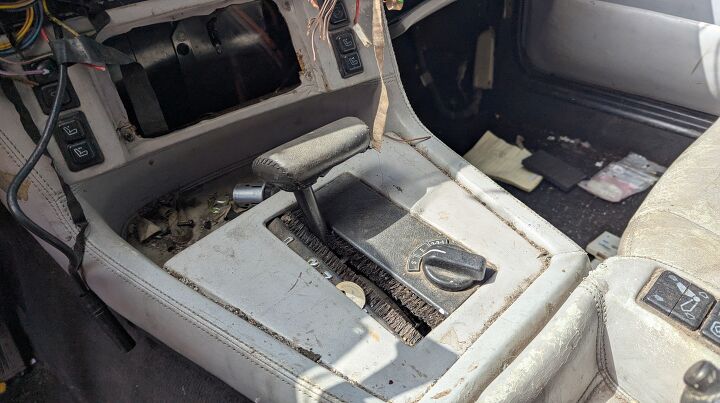
L7 buyers for '86 could choose between a five-speed manual and four-speed automatic at the same cost. I have a hard time imagining an L7 buyer willing to work a clutch, but perhaps a few three-pedal versions were sold. For what it's worth, I've documented exactly one junkyard E23 with a manual transmission.
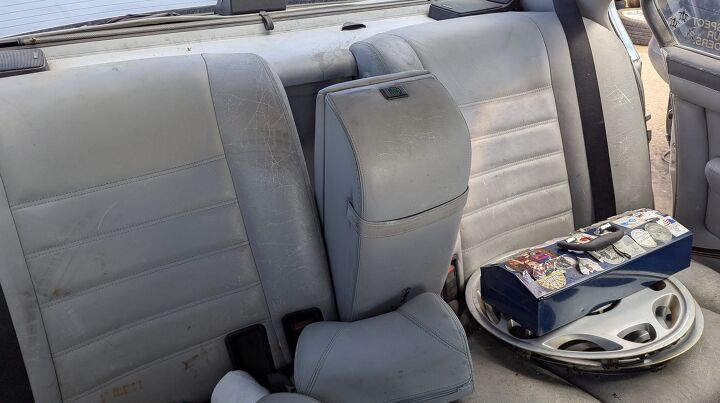
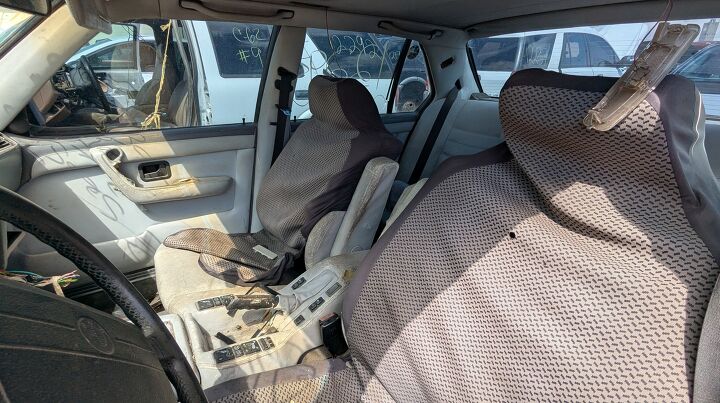
The 1986 L7 brochure describes the upholstery as being made from "natural hides," which apparently meant they were sliced from water buffalo.
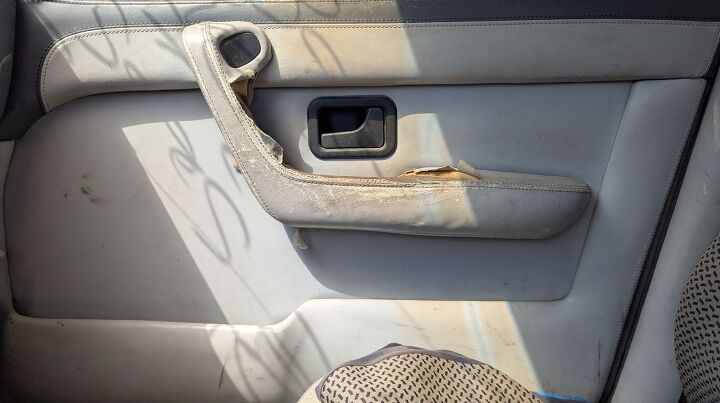
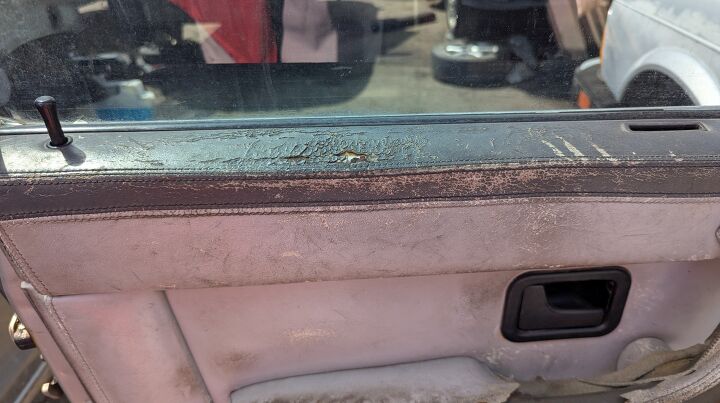
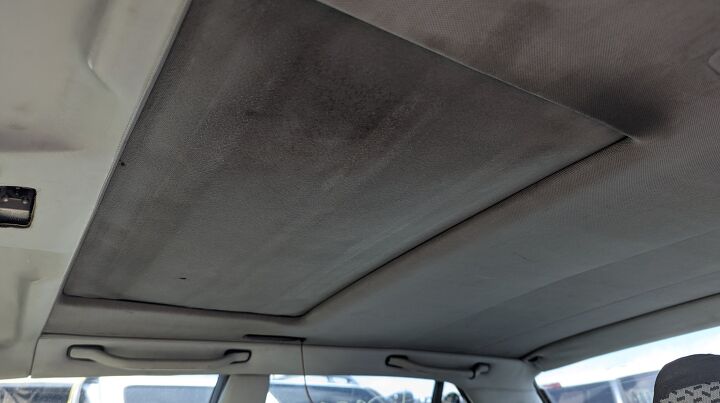
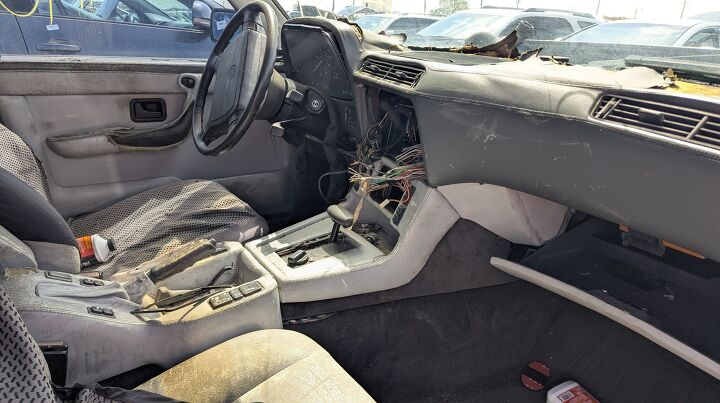
This car's interior has endured much punishment from the harsh sun of Front Range Colorado.
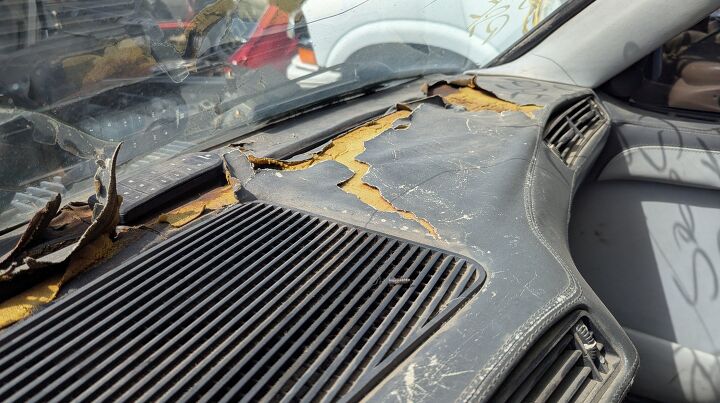
The dash top material has become crunchy.
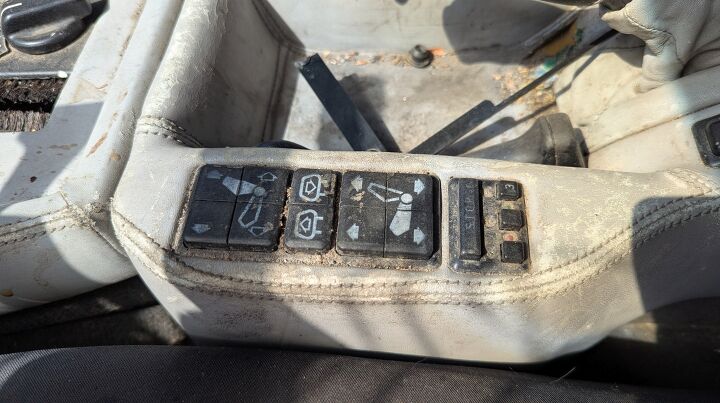
How many of these power-seat buttons still worked at the end (or in 1996, for that matter)?
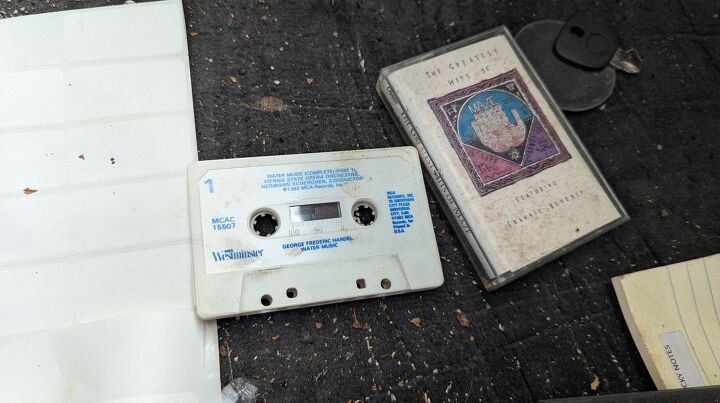
The Vienna State Opera Orchestra tape from 1983 seems 7er-appropriate. The band Maze Featuring Frankie Beverly was at its peak of popularity soon after this car was sold.
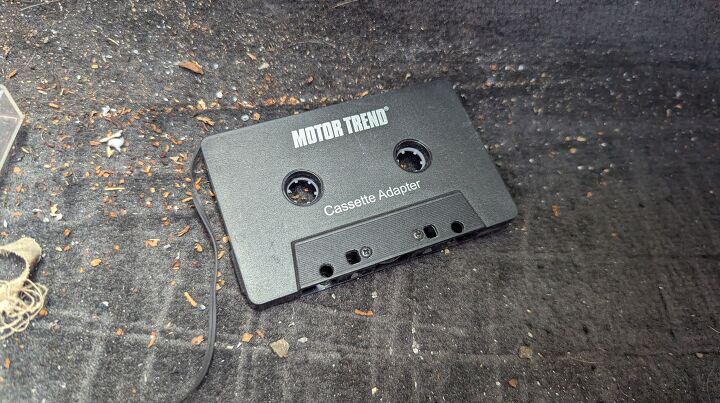
The Ultimate Driving Machine requires a cassette AUX adapter with Motor Trend branding.
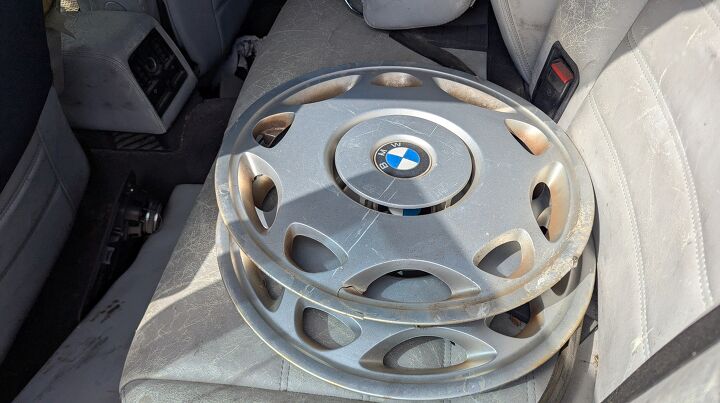
1986 BMW L7 in Denver junkyard.
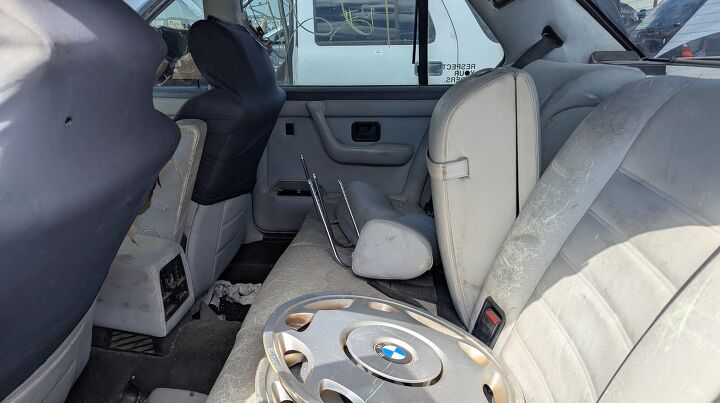
1986 BMW L7 in Denver junkyard.
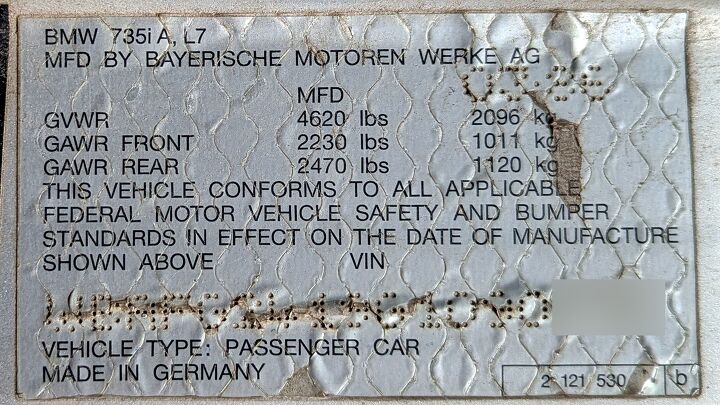
1986 BMW L7 in Denver junkyard.
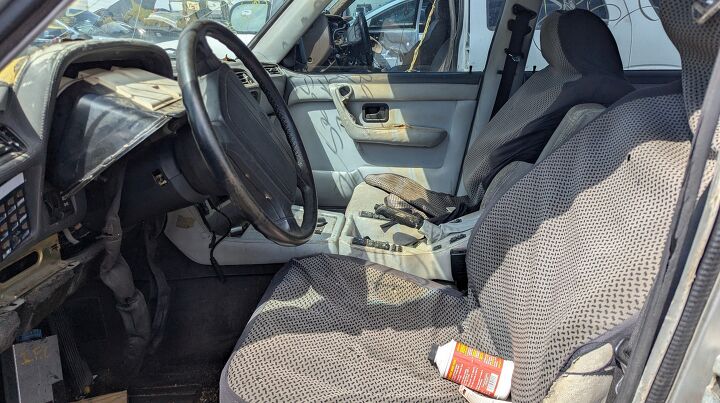
1986 BMW L7 in Denver junkyard.
1986 BMW L7 in Denver junkyard.
1986 BMW L7 in Denver junkyard.
1986 BMW L7 in Denver junkyard.
1986 BMW L7 in Denver junkyard.
1986 BMW L7 in Denver junkyard.
1986 BMW L7 in Denver junkyard.
1986 BMW L7 in Denver junkyard.
1986 BMW L7 in Denver junkyard.
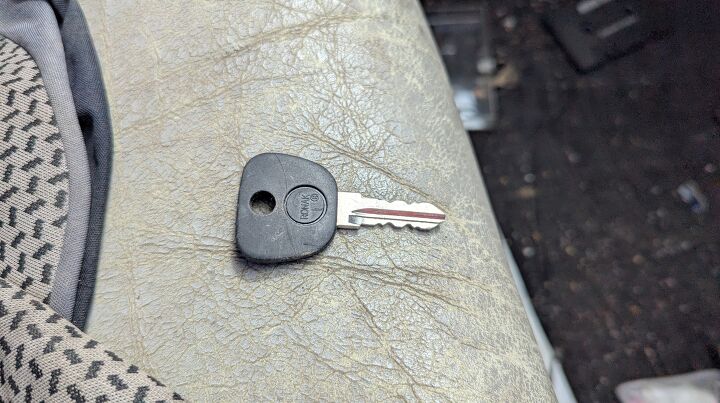
1986 BMW L7 in Denver junkyard.
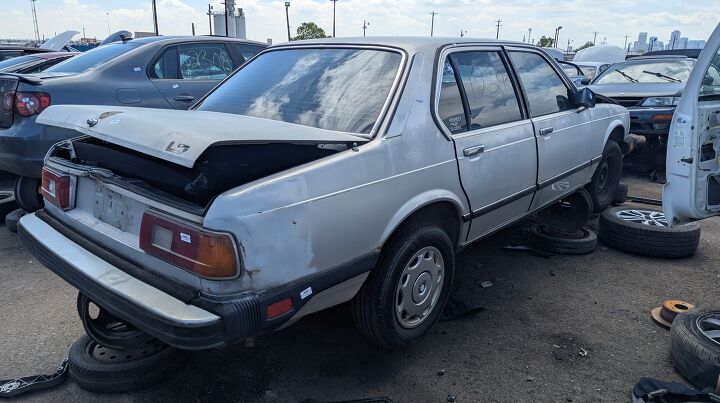
1986 BMW L7 in Denver junkyard.
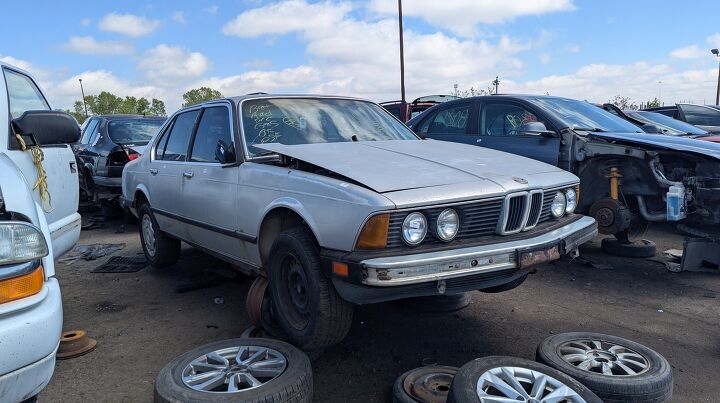
1986 BMW L7 in Denver junkyard.
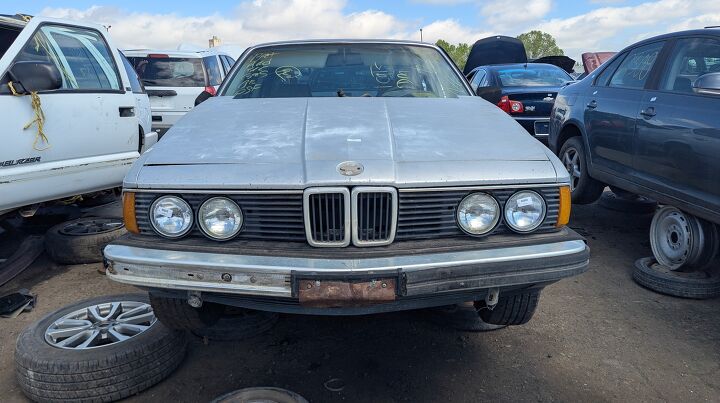
1986 BMW L7 in Denver junkyard.
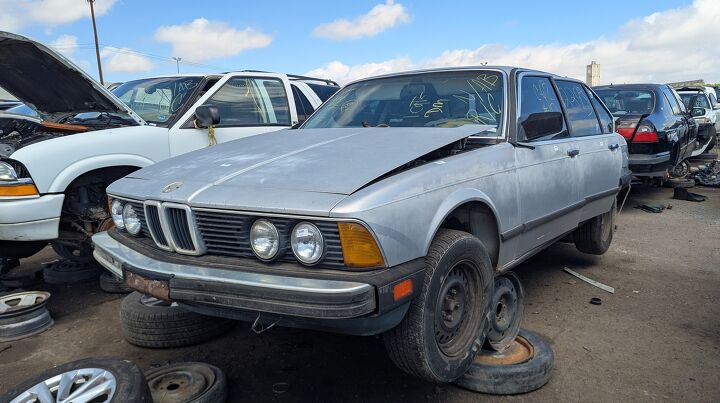
1986 BMW L7 in Denver junkyard.
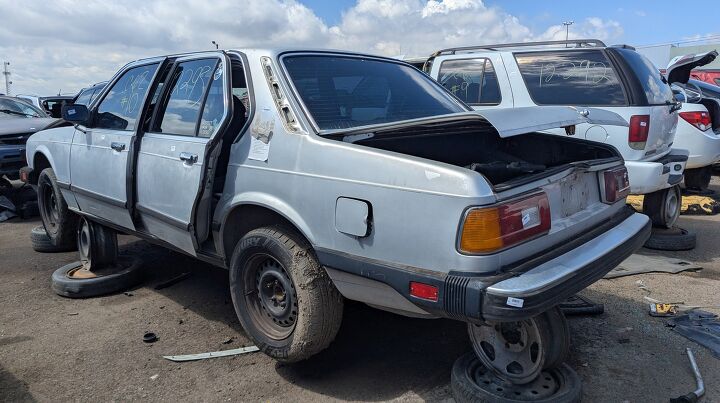
1986 BMW L7 in Denver junkyard.
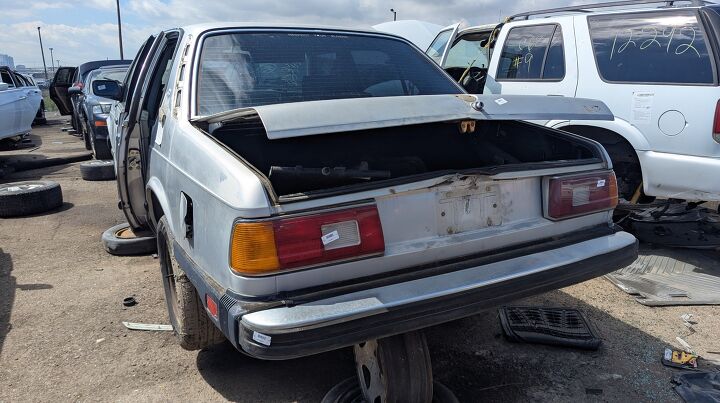
1986 BMW L7 in Denver junkyard.
via Autobuzz Today
Comments
Post a Comment