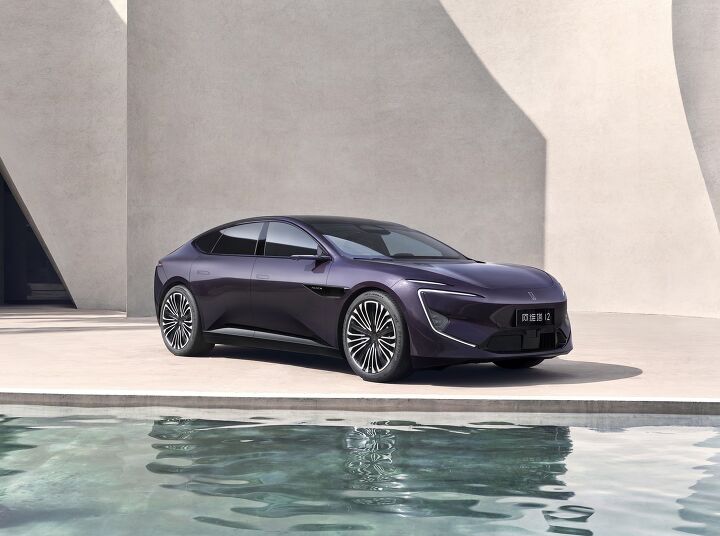
A new bill aims to ban Chinese-made connected vehicles from ever even driving across the border into the United States via Canada or Mexico.
Representative Haley Stevens and Senator Elissa Slotkin, both Michigan Democrats, announced the Protecting America from Chinese Cars Act last week. The legislation would prohibit connected vehicles from China and other adversarial nations from entering the U.S., whether they are imported for sale or simply driven across the border by bored boomers from the GTA looking for discounts in the outlet malls of Buffalo, or to their time shares in Myrtle Beach.
That would include vehicles made or designed in China, vehicles built by Chinese companies, and vehicles from any automaker more than 15 percent owned by Chinese entities. The concern is that modern connected vehicles can collect and transmit location data, video, mapping information, and other data that could be valuable to foreign governments.
“The Chinese Communist Party should never have access to sensitive information about American drivers, roads, or critical infrastructure,” Stevens said.

Slotkin used stronger language, calling Chinese connected vehicles “surveillance packages on wheels.” She said the bill is intended to stop fully finished Chinese vehicles from crossing into the U.S. “in any capacity, even just for the day.”
Public Safety Canada has already warned that connected vehicle systems could be used to establish movement patterns or monitor sensitive sites. The Canadians also pointed out that national security laws in China can compel companies to share data with domestic authorities.
The bill arrives as the doors to Canada are opening to China's EVs. Earlier this year, Canada agreed to allow up to 49,000 Chinese electric vehicles into the country at a reduced 6.1-percent tariff rate, down from the previous 100-percent rate. Global Affairs Canada data shows 2,910 Chinese EVs already entered Canada in May.
The sitting Liberal government has said the 49,000 EVs will represent less than 3 percent of Canada’s auto market, but if you filter out combustion cars from the equation, that figure is nearly half of all battery electric cars sold in Canada last year.
The bill is still only proposed legislation. It would need to move through committee, pass both chambers of Congress, and be signed by President Donald Trump before becoming law. Trump has sent mixed messages on Canada’s Chinese EV arrangement. He initially called Canada’s trade deal with China “a good thing,” then later threatened a 100-percent tariff on Canadian goods if Canada becomes a route for Chinese exports into the U.S. market.
Become a TTAC insider. Get the latest news, features, TTAC takes, and everything else that gets to the truth about cars first by subscribing to our newsletter.
via Autobuzz Today
Comments
Post a Comment