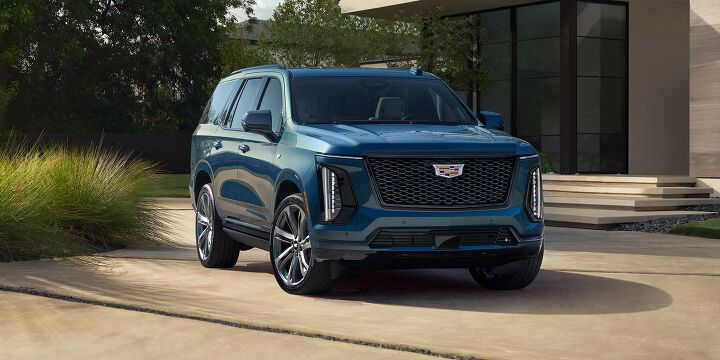
Despite previous claims that it would be electrifying its entire fleet by 2030, Cadillac is poised to continue running with combustion models. We now have confirmation that this will include the returning three-row XT6 SUV and performance-focused CT5-V Blackwing sedan — or at least its direct successor.
Cadillac’s present lineup shows a clear divide between its gasoline and electrically powered models. Combustion models use holdover alphanumeric handles, whereas the EVs all have traditional names that General Motors decided all needed to end in the letter Q.
This is reminiscent of the trend where companies placed lower case vowels at the start of product names (e.g. iPad) in terms of purpose and originality. Automakers wanted to frame all-electric vehicles as cutting edge and unique, so they copied all the tech-focused marketing trends from the previous decade. This ensured that EVs were viewed as separate from normal cars while likewise being uniform in their alleged uniqueness — both were probably mistakes in hindsight.
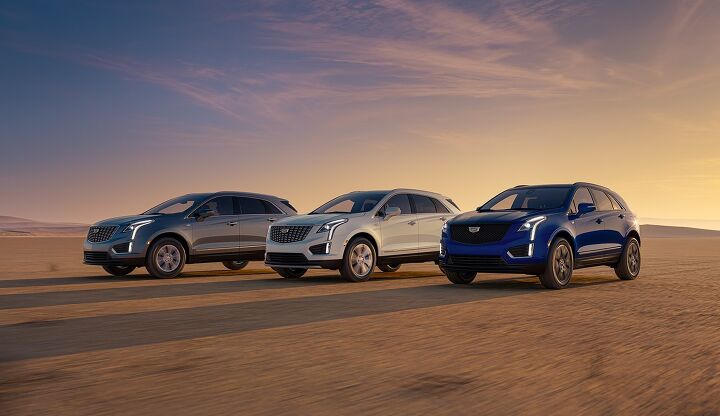
Even though Cadillac has done quite a bit better with EVs than some other brands, customers still aren’t flocking to them like the industry had hoped. This has pressured the brand to abandon its past promises of only fielding all-electric models as it gradually phased out the brand’s combustion-powered CT sedans and XT utility vehicles.
Some probably won’t last. Despite being fun to drive, especially when issued with the larger engine option, the CT4 doesn’t appear to have a future. General Motors is discontinuing production after 2026. The competition has simply gotten too good, especially against the $38,000 base-trimmed sedan. Unless one cannot imagine having anything but rear-wheel drive, there are other small, mainstream sedans offering an equally good (if not better) experience for far less money.
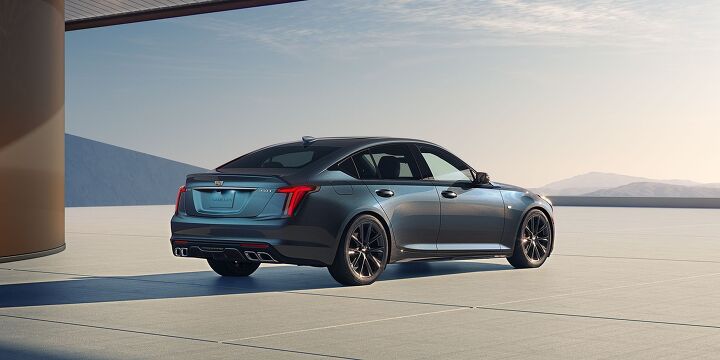
While the larger CT5 shares a lot of the same problems, it tends to do much better business for the brand. This has encouraged Cadillac to keep the model around for a second generation. We’ve since learned that this will include a CT5-V Blackwing, which denotes the vehicle as offering the maximum amount of performance General Motors was willing to put into mass production.
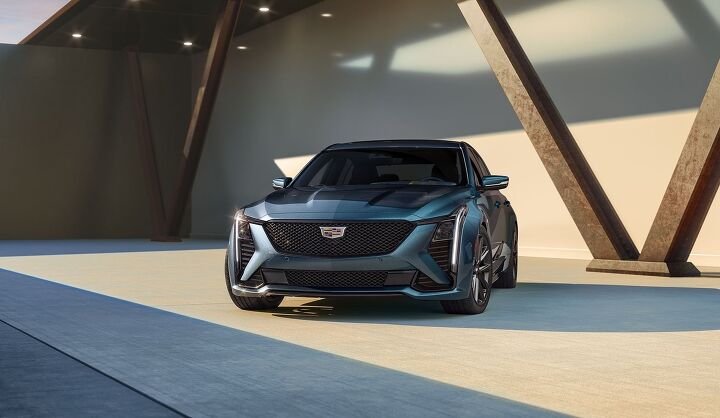
If you’re unfamiliar, the leaps tend to be quite extreme. For example, the current CT5 comes equipped with a 2.0-liter turbo offering 237 horsepower and 258 lb-ft of torque. While sufficient in keeping the vehicle from being an absolute snooze to drive, the CT5-V is where things actually become exciting. This is due to its twin-turbocharged 3.0-liter V6 that boasts 335 hp and 405 lb-ft of torque. The Blackwing is in yet another category, as it comes equipped with a supercharged 6.2-liter V8 that pumps out 668 hp and 659 lb-ft of torque.
Everyone’s assumption is that the distance between the base and performance trims will remain significant on the next-generation models. But GM Authority stated that additional details are basically nonexistent. We don’t even know if General Motors will even use the same name. The alphanumeric titles never really felt right on American vehicles and there won’t be any other CT-baged sedans in Cadillac’s lineup after this year anyway. However, we won’t know for certain until the vehicle debuts and that could still be years away.
We’ll also be waiting a while on the returning XT6, which was confirmed via a LinkedIn post from Kristian Aquilina, vice president of Cadillac.
“As the market continues to evolve, we are aligning our product mix with real-world customer adoption across the luxury market,” she wrote. “A key part of that is the return of an all-new XT6, our three-row luxury SUV, alongside next-generation XT5 and CT5. We’ll continue to invest in a robust EV portfolio across major luxury segments, even as we renew investment in internal combustion entries where demand remains strong, beginning with the next generation of XT5 next year.
“We believe a strong portfolio can include both electric and internal combustion vehicles, because choice matters”
With the updated XT5 scheduled to arrive sometime next year, we imagine the returning XT6 probably won’t crop up until 2028 or later. Keeping the XT6 six separate from the EV announcement and retaining the old name also seems to guarantee that the model will remain combustion powered. While the Vistiq was supposed to replace the model entirely, the all-electric SUV didn’t manage to match the XT6’s sales during its introductory year and it looks like they’ll be short again for 2026.
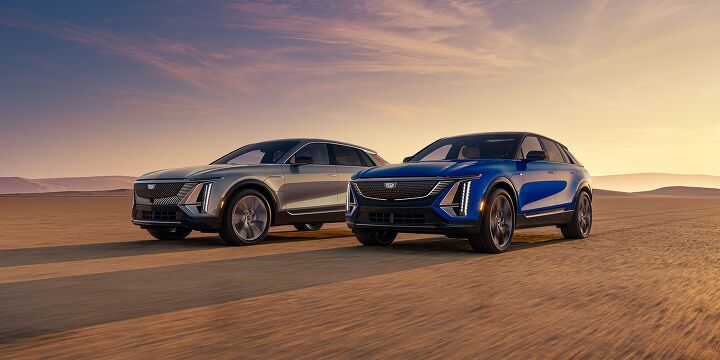
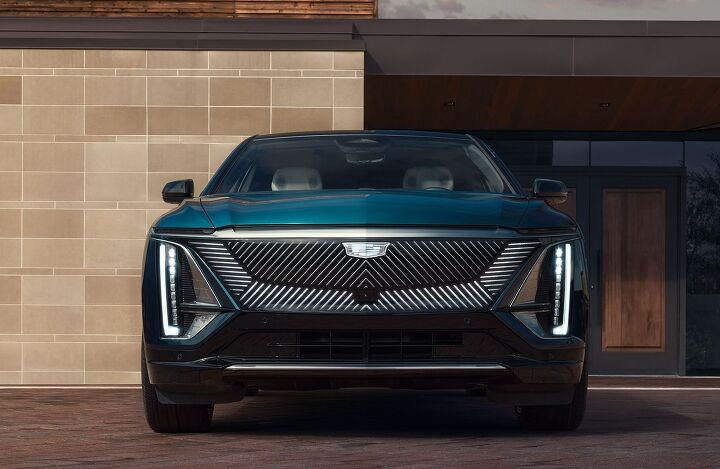
The smaller Lyriq has performed significantly better on the market. This presumably is down to newer Vistiq being considerably more expensive (starting at $80,000) and Cadillac already having the massive Escalade on offer, which now includes the all-electric IQ variants.
With Cadillac needing to balance traditional powertrains against EVs, we imagine leadership will be trimming down the lineup in some areas while expanding others. By now, it’s been made clear that the brand has a clientele that seems at least somewhat willing to purchase electrified models. But North American buyers still view EVs as niche products, which seem to cater to the top and bottom ends of the market.
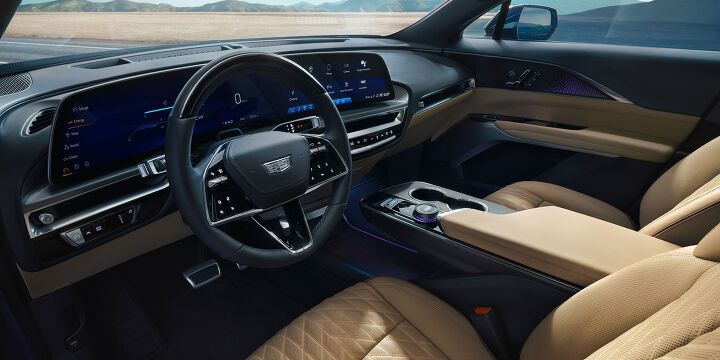
Caddy will likewise need to field models that are truly competitive. Some of the brand’s outgoing products were undoubtedly falling behind the pack. For example, more than a few vehicles have been accused of using lackluster interior materials. We’d argue this is an issue plaguing numerous luxury brands as they’ve pivoted toward touchscreens. But European nameplates seem to be offsetting this with signature eye-catching designs, albeit with exceptions.
Being derivative isn’t the way for American brands to get ahead and Cadillac should know this better than anyone. Its best-selling model is the Escalade, which really doesn’t have a direct competitor. While there are certainly a surplus of brands offering comically large SUVs, Cadillac still has something truly unique. The Escalade is bigger and leans so far into comfort, opulence, and power that it effectively has to sacrifice things like nimbleness and parking space.
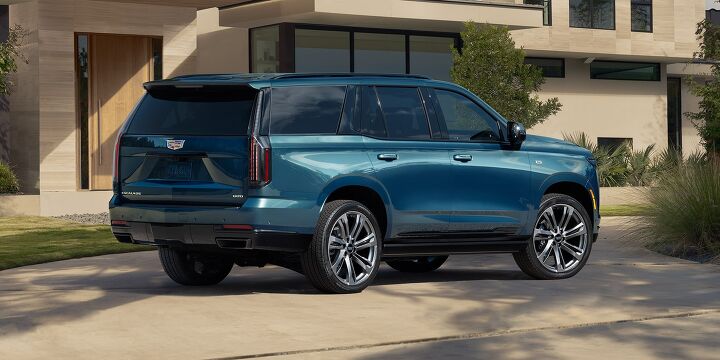
Why would Cadillac even want to imitate the Europeans when its most-popular model is unabashedly American in its execution? Let BMW spend a fortune on trying to figure out how to make a 5,800-pound vehicle with 9 inches of ground clearance handle well.
I’ve never once been behind the wheel of an Escalade and thought "I wish this handled better in a corner." Instead, I’m likely to be thinking "I wish I could pull over and take a nap because of how comfortable I am in this SUV right now."
We know that Cadillac fancies itself a global brand and has taken great strides to improve its market share in China. But if 2025 has taught General Motors anything, it should be not to ignore the North American market and not to become overly reliant on EVs.
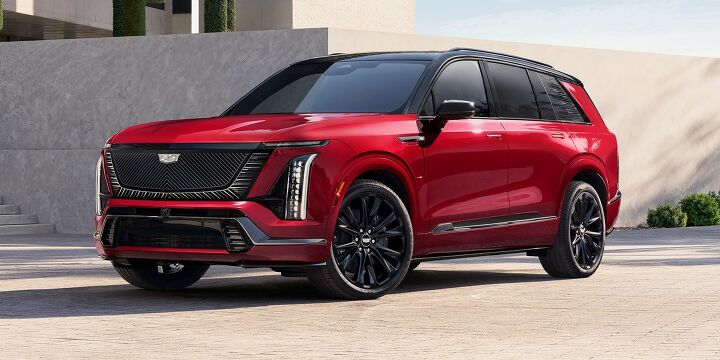
Despite garnering some healthy sales for the company, entering into the Chinese market has cost GM quite a bit and has proven relatively volatile as domestic brands tend to take priority. There is also a sense that China is focused overwhelmingly on all-electric models, especially relative to Western buyers. But that claim is not remotely true when it comes to Cadillac.
Since the start of 2026, over 96 percent of Cadillac’s sales in China can be attributed to its combustion models. This is despite the Chinese government repeatedly citing “new energy vehicles” (typically EVs) as representing the vast majority of annual vehicle sales. That seems like an extremely relevant data point for GM and one that basically makes it impossible for Cadillac to pursue its previous goal of electrifying its entire fleet by 2030.
[Images: General Motors]
Become a TTAC insider. Get the latest news, features, TTAC takes, and everything else that gets to the truth about cars first by subscribing to our newsletter.
via Autobuzz Today
Comments
Post a Comment