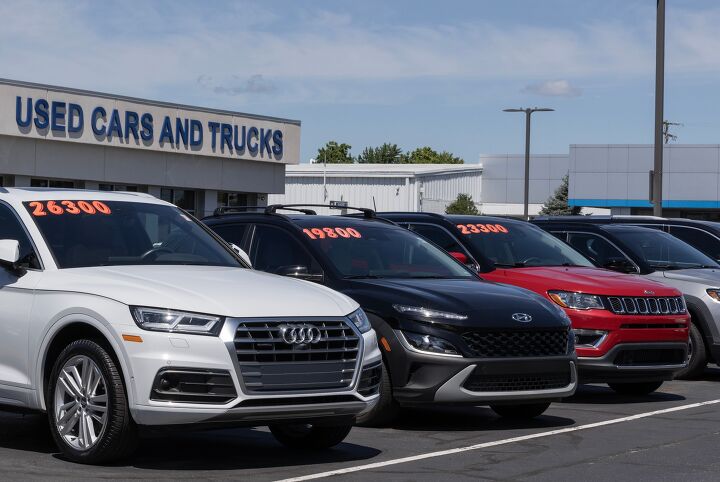
While vehicle prices typically only move in an upward direction, many have noticed that the automotive inflation witnessed over the last several years seems to be outpacing previous eras. But this is hardly limited to new models, as there is a surplus of data showcasing that used models are actually outpacing new cars.
The difference is easier to spot with brand-new automobiles. All one needs to do is compare the MSRP of the same models over the last several years. However, there are also entities that track the aggregate sales data to determine how much people are spending on average. Today, the average transaction price (ATP) for a new vehicle in the United States is now hovering around $50,000, according to Cox Automotive, which is about 33-percent higher than it was in 2019.
Considering that the previous seven-year period (starting in 2012) saw ATPs increase by an estimated 20 percent, and the seven-year period before that was closer to 12 percent, we appear to have a legitimate problem.
This is the result of manufacturers gradually raising their prices while also eliminating small, affordable models from their lineups to prioritize larger vehicles boasting juicer profit margins. Customers have also shown a willingness to take on a record-breaking amount of automotive debt, which now stands at a national average of $1.71 trillion inside the United States.
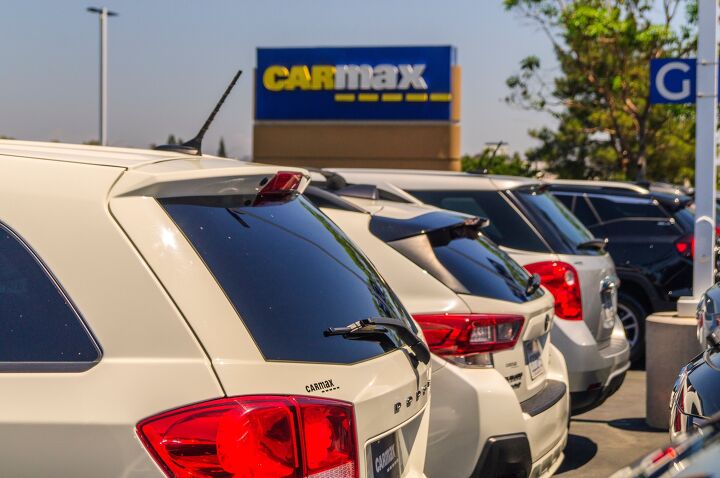
We can attribute much of the above to a surplus of corporate greed and a tragic lack of consumer prudence. But they aren’t the only factors. Increased levels of inflation, combined with fresh tariffs and global supply chain issues have likewise raised manufacturing costs. Since automakers want to impress their shareholders, who now appear to be the primary concern for a majority of businesses, they’ve pulled out all the stops to ensure they can showcase aggressive profitability. Selling fewer vehicles at significantly higher prices is something the industry seems wholly prepared to do for as long as consumers allow.
Sadly, this had likewise influenced the price of used vehicles — which iSeeCars estimated have climbed in value at a rate higher than we’ve seen on new models.
According to a recent study from iSeeCars.com, the outlet reported that the value of the average 3-year-old vehicle has increased by roughly 38.2 percent since 2019. Converted to dollars, that has buyers spending $9,027 more than they would have on the same models prior to the pandemic.
While this still leaves the buyers of new cars spending closer to $16,000 more than they would have over the same period, the ATP for new vehicles has only increased by 33 percent.
From iSeeCars:
The affordability of a late-model used car has changed dramatically since 2019, the last full year before the pandemic. The average 3-year-old used car now costs $32,651, an increase of $9,027, or 38.2 [percent], from its 2019 average price of $23,624. At the same time, the share of 3-year-old vehicles priced below $20,000 has fallen from nearly half of the market to barely one in nine. The result is a used car market where shoppers must either spend considerably more or buy a vehicle that is several years older.
iSeeCars analyzed over 11.4 million 3- to 15-year-old used cars sold in 2019 and 2026 to identify how used car prices and the share of vehicles priced under $20,000 changed by vehicle age and model.
“Today’s used car prices are among the most powerful examples of the affordability challenge facing consumers,” said iSeeCars Executive Analyst Karl Brauer. “With a $9,000 increase in the average 3-year-old car’s price since 2019, that’s an average of nearly $1,300 per year over seven years.”
The only real upside to this is that whatever happens to be sitting in your driveway right now is likely to be deprecating at a slower rate than ever before. But that’s presumably of little consolation when generalized inflation has diminished whatever purchasing power might have resulted from the sale. That old car may be valued at a higher dollar amount. But so are groceries, housing costs, insurance plans, and whatever automobile you’ll end up buying next.
The mere fact that there are so few truly affordable secondhand vehicles is a real problem. Prior to 2019, a person could easily find low-milage models for under $20,000. Dependable transportation with more ticks on the odometer were likewise available for under $10,000.
However, iSeeCars now estimates that only about 26.6 percent of all 5-year-old vehicles are priced below $20,000. In fact, the study suggested that you won’t even see a majority of secondhand models priced that low until they’re 7 years old.
“Compared to 2019, used car shoppers now have to consider models that are three or four years older than they would have if they want to find the same pricing from seven years ago,” noted Brauer, before adding “In general, buying an older used car means a lower up-front cost, but higher post-purchase maintenance and repair costs.”
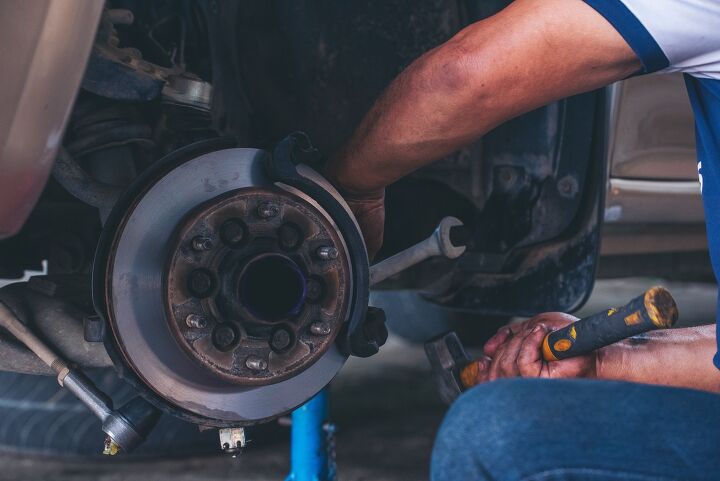
Fixing vehicles has indeed become increasingly expensive in recent years, further increasing the desirability of popular secondhand models. The theory here is that they should have better parts availability and more mechanics that know how to work on them — potentially lowering repair bills.
Similarly interesting is how the study framed luxury models. Formerly known for boasting some of the more severe deprecation curves, often making them a relative bargain on the used market, many extravagant models have actually seen their used valuation climb dramatically.
For example, the outlet noted that 3-year-old examples of the Porsche Cayenne have seen their average valuation climb by 75.7 percent since 2019. The Porsche 911, Mercedes-Benz G-Class, Mercedes-Benz E-Class, Acura TLX, and BMW M3 likewise outpaced the national averages by a huge margin. While those models saw some of the biggest increases in their valuation over the last few years (all above 60 percent), they were curiously joined by a couple of cheap vehicles.
“While premium luxury models and sports cars saw the largest used car price increases, two low-cost models, the Hyundai Elantra and Nissan Versa, also rank among the top 10, impacting buyers with limited spending power,” said Brauer.
Off-lease examples of both models can be easily found at prices below $20,000. But the recent pricing increases have tragically narrowed the gap on 3-year-old models since 2019. The outlet had the average price of the Elantra pegged at $19,178 whereas the Versa was said to be $15,718. Those indicate a price increase of $6,883 and $5,572, respectively. This effectively makes a late-model Versa, which is one of the most affordable vehicles a person can purchase without a lot of miles, 54.9 percent more expensive.
Granted, some 3-year-old models did see their valuations decline (e.g. Tesla Model X and Land Rover Discovery Sport) or at least stayed below the market average. But the difference was often marginal relative to their pricing in 2019. iSeeCars reported that the Mazda CX-9, Tesla Model S, Range Rover Evoque, Volvo XC90, Nissan Murano, Buick Envision, Chevrolet Malibu, and Ford Edge all saw their valuations climb by less than 10 percent.
We’ve likewise noticed a trend where all-electric models tend to experience a steeper depreciation curve than average, presumably placing them in a similar boat. However, plenty of those models wouldn’t have existed in 2019. This makes it impossible to compare the price difference over time.
While the above paints a rather bleak picture for anybody hunting for a good deal, it may create a situation where customers are more prone toward buying new. This would presumably lower secondhand prices over time. But we’ve likewise been in a situation where many drivers are trying to hold onto their current vehicles for as long as possible.
One of the reasons that used automobiles have climbed in value is because some drivers no longer want new models. There are consistent concerns about invasive technology and planned obsolescence that have encouraged a subset of the market to shun newer models. Older vehicles are broadly viewed as more dependable and repairable than their modern counterparts. But we’re also approaching a point where these same issues pertain to most used vehicles that are a few years old.
This places a big fat question mark on the future of automotive pricing. Since manufacturers haven’t really walked back some of their more unpopular business practices, we assume there will continue to be a subset of the market that will remain interested in used models. However, those elements are now trickling down into the secondhand market.
Meanwhile, North America has clearly signaled that drivers are experiencing severe pricing fatigue in regard to both new and used vehicles. Several manufacturers have revised their sales targets for this year, with the market indicating a modest decline in new vehicle volulmes for 2026. This has been attributed to the EV segment not taking off as planned, significantly lower fleet sales, and the aforementioned economic hurdles for retail buyers. Used vehicle sales also look to be a little leaner this year, declining by an estimated 3-5 percent against 2025.
One assumes that there has to be a bottom to just how much higher prices will go. But many of us are likewise surprised that we have yet to arrive there.
[Images: Jonathan Weiss/Shutterstock; allnewalbert/Shutterstock; afotostock/Shutterstock; Around the World Photos/Shutterstock]
Become a TTAC insider. Get the latest news, features, TTAC takes, and everything else that gets to the truth about cars first by subscribing to our newsletter.
via Autobuzz Today
Comments
Post a Comment