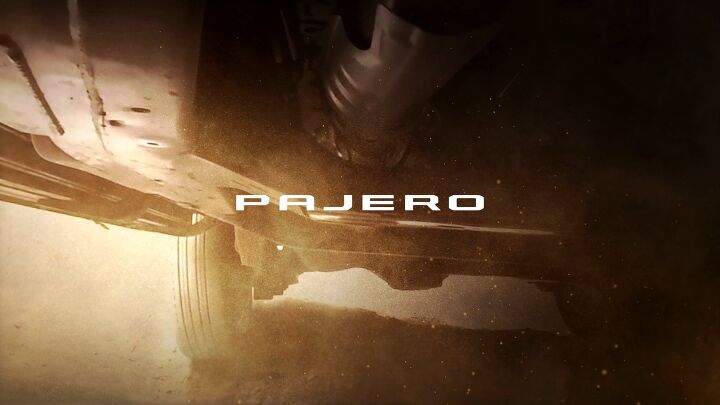
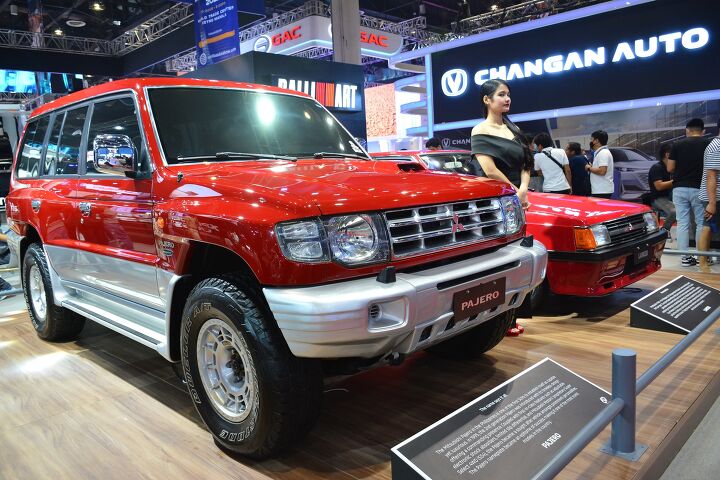
Mitsubishi has been teasing the Pajero for next year, with the U.S. likely to see the model arriving as the returning Montero several months later. It’s clear that there’s a lot riding on the SUV, with some of us convinced that the vehicle is the company’s last hope to become more than it is today.
While the Japanese debut of the Pajero isn’t supposed to take place until September, we’ve already managed to learn quite a bit about the model. It’s supposed to be body-on-frame and make use of the brand’s latest “Super All Wheel Control” (S-AWC) system — presumably creating a competent and rugged off-road vehicle.
Considering that the Pajero was easily the most successful car model in Dakar Rally history, it had better be.
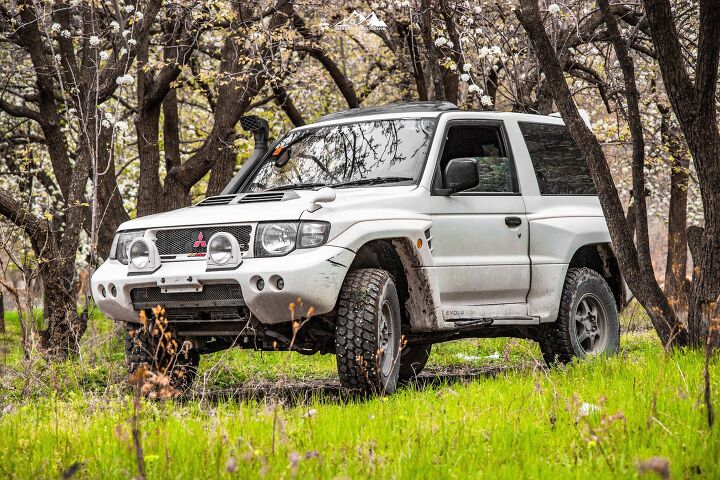
Rumors have suggested that the model will be an amalgamation of the Mitsubishi Triton pickup (known for being dependable and competitively priced) and Nissan’s upcoming Xterra SUV. Spyshots of the test vehicle, along with Mitsubishi’s own teaser images, have likewise shown that the Pajero offers a significant amount of ground clearance with vulnerable portions of its underbody either being protected by skid plates or tucked up high enough to avoid getting battered by exceptionally gnarly terrain. The wheel wells are also massive, suggesting that the manufacturer expects customers to purchase (or option) large all-terrain tires.
These are the kind inclusions that would suggest the manufacturer actually expects customers to take the SUV off road on a regular basis. We’ve also heard that the model will receive mechanically locking rear axle and two-speed transfer case, along with more digitized AWD features like brake-oriented torque vectoring.
It’s the first vehicle developed by Mitsubishi that seems to have created a serious amount of interest in a while. It may also be the brand’s last real chance to secure an identity for itself in North America after years of hardship.
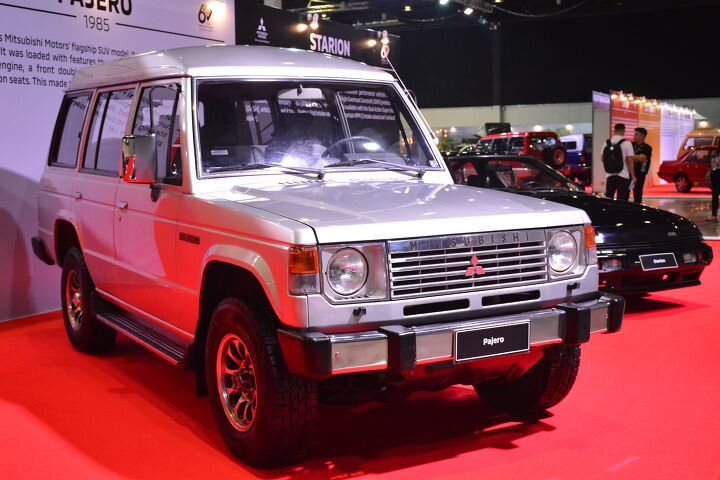
Despite arriving in the United States much later than other Japanese brands, Mitsubishi enjoyed an almost meteoric rise in regional sales. However, being late to the party undoubtedly hurt the brand. Honda, Subaru, and Mazda all had landed on our shores a decade earlier. Meanwhile, Toyota and Nissan had been sussing out the North American market since the late 1950s.
This gave them a massive advantage in terms of establishing dealer networks and relationships within the industry. But Mitsubishi had been selling rebadged models with the help of Chrysler, allowing the brand to learn about American tastes while taking fewer risks than its main rivals.
When Mitsubishi finally established its own U.S. dealer networks in 1982, the automaker pulled zero punches. While the brand focused largely on affordability, its efforts in global motorsport yielded numerous performance vehicles. This combination allowed the company to surpass both Mazda and Subaru by the late 1990s.
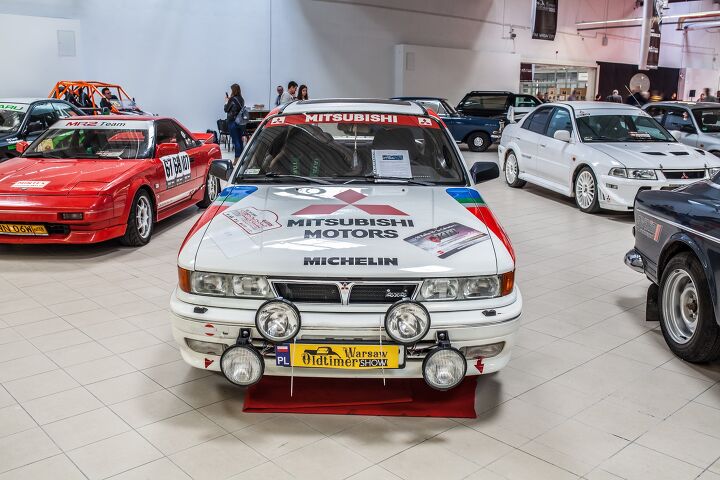
However, it had become clear that Mitsubishi didn’t want to be viewed as a niche automaker. It has been expanding its lineup to compete with the larger Japanese brands for years. Even though many of those models were excellent, Honda and Toyota were offering unparalleled reliability at the time. This ended up being the turning point for the brand, which was fighting an uphill battle and lacked their resources. Despite Mitsubishi Group being one of the largest companies in the world, leadership viewed the automotive side of the business as little more than a side project.
The automaker had clearly overextended itself and the top brass didn’t seem interested in supporting the play. Volumes cratered during the 2000s and the Mitsubishi’s American lineup became increasingly lean. In response, it was decided that the brand should focus more on subprime customers and move away from motorsport. Following the 2008 financial crisis, Mitsubishi’s sales had fallen to a mere fraction of what they had been just 10 years prior.
Since then, the brand has rebounded somewhat. But it never managed to regain its original identity, previous volume record for North America, nor come anywhere close to matching the sales enjoyed by Mazda or Subaru. Instead, the company has focused largely on fielding affordable vehicles catering to Southeast Asia and developing markets in South America.
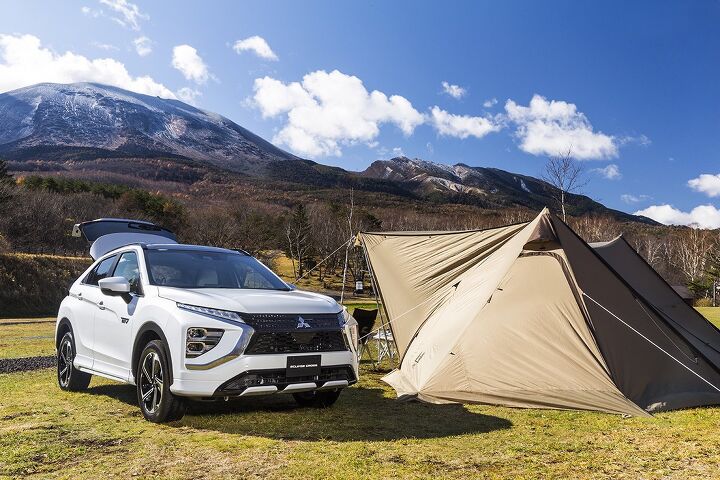
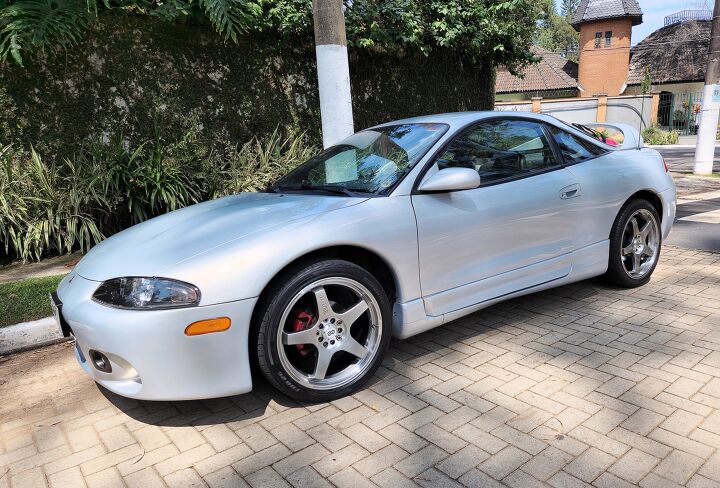
However, there’s a lingering subset of Western enthusiasts with fond memories of the brand that would love to see some of its old charm come back. Sadly, Mitsubishi has been blowing that good will wherever possible. For example, the company brought back the Eclipse nameplate (associated with the brand’s quintessential American sports car) and used it on a bland crossover.
Even though North American volumes remain a far cry from what they were in the 1990s, Mitsubishi’s pivot to SUVs while likewise offering some of the best deals (and longest warranties) in the industry has clearly helped it with sales. The question is whether the brand wants to be more than that on our market when Kia and Hyundai already exist.
Mitsubishi’s best bet may be to lean into reliability while also competing with the South Korean automakers on price. But this could be difficult with modern tariffs in place, as most of its popular models are still built in Japan. Frankly, it’s hard to see a scenario where the current strategy allows it to do more than tread water.
The Pajero/Montero could change that, should the sport utility live up to the hype. However, it’s hard not to be worried.
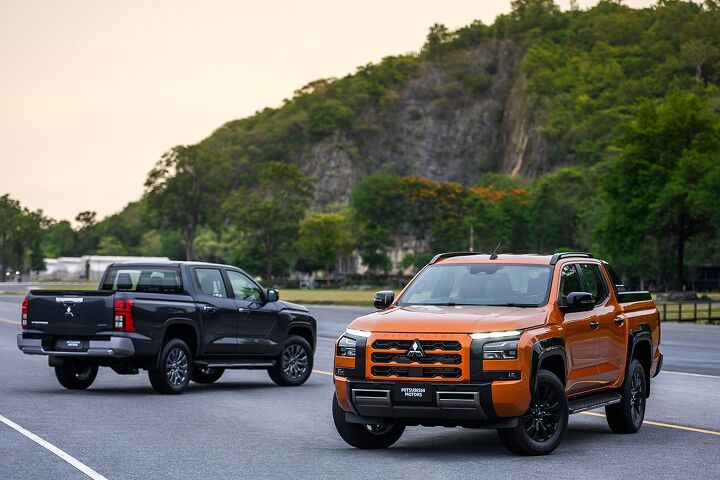
Globally, the Pajero base powertrain is alleged to be the 2.4-liter turbo diesel found inside the current Mitsubishi Triton (pictured below). While Japan will undoubtedly preview the planned diesel version as part of the first batch of Pajero models, the United States may not receive what will likely be the most desirable (and durable) variant.
Rumors suggest that we will instead see the assumed Montero SUV running with a gasoline engine and some form of hybridization. The SUV could feature a lot of the same hardware that’s being plotted for the upcoming Nissan Xterra, which is supposed to receive a hybridized V6. But we’ve also heard that Mitsubishi is developing a plug-in hybrid (PHEV) version of the Triton that could see its guts migrate into the Pajero/Montero.
Americans have shown a fairly strong aversion to PHEVs and it’s hard to say if this would be a smart play for models catering to off-road enthusiasts. It would add a significant amount of weight and complexity to a vehicle type that really wouldn’t benefit from either. However, Mitsubishi’s would-be plug-in drivetrain isn’t expected to debut until somewhere between 2028 and 2030.
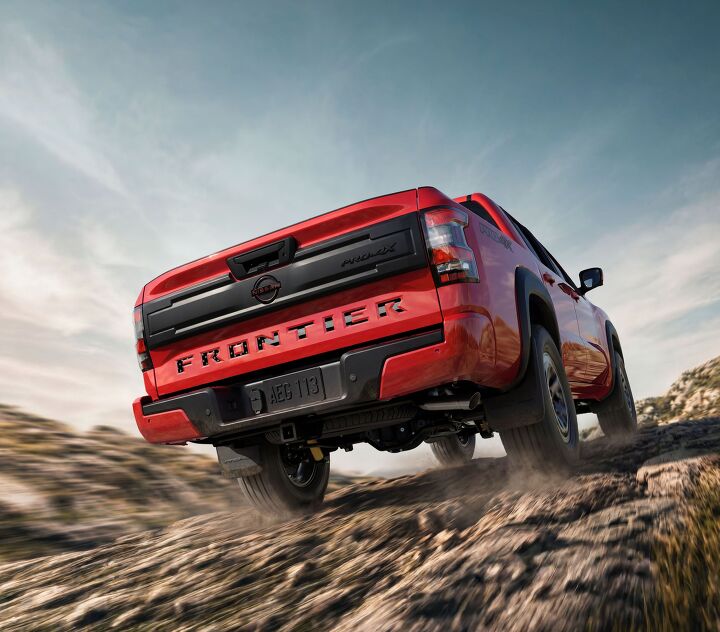
This may mean the Montero will have to launch without it, which is probably fine. Odds are better that the brand will leverage the same powertrains as the forthcoming Xterra. Those are a naturally aspirated V6 (possibly an updated version of the 3.8-liter found in today’s Nissan Frontier) and a similarly sized hybrid. Assuming those units are robust workhorses, this feels like the best route for Mitsubishi to take.
Granted, we’d like to see Mitsubishi do more than simply exist as the littlest brother in the Renault–Nissan–Mitsubishi Alliance. But, with the present circumstances being what they are, the company cannot realistically do everything in house.
Additional concerns are centered on the technological front. Mitsubishi would be wise to try and use traditional (ideally oversized) switchgear. Even though today’s rock crawlers implement a staggering amount of modern technology, much of which is significantly more useful than on-road "advanced driver assistance systems" (ADAS), motorists are still trending away from touch controls.
Saying that there’s a lot riding on the Pajero is true. But the subsequent Montero may be Mitsubishi’s last real chance to reestablish its identity on our market. There are plenty of drivers here with fond memories of the older models who should be interested. A successful launch could pave the way for bigger and better things. But a failed execution might just be the final nail in Mitsubishi’s regional coffin.
[Images: Mitsubishi Motors; Shahzadali/Shutterstock; WE_Si/Shutterstock; Grzegorz Czapski/Shutterstock; WE_Si/Shutterstock]
Become a TTAC insider. Get the latest news, features, TTAC takes, and everything else that gets to the truth about cars first by subscribing to our newsletter.
via Autobuzz Today
Comments
Post a Comment