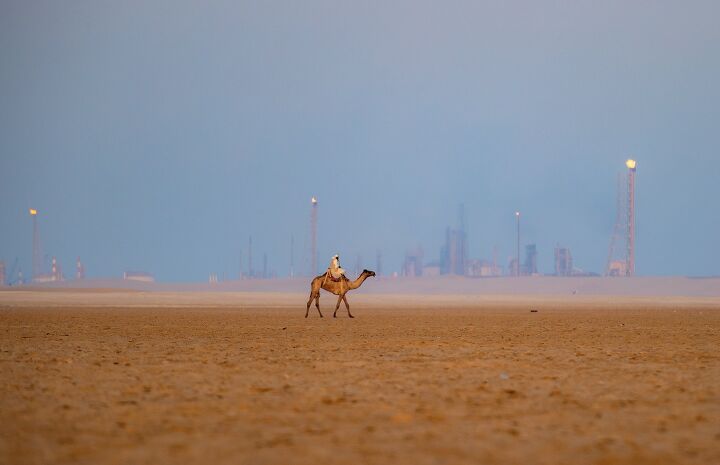
Oil pipelines were struck in Saudi Arabia last Thursday, encouraging rampant speculation about the world’s already inflated energy prices. Worse still, nearby trade routes are now claimed to be under hostile occupation.
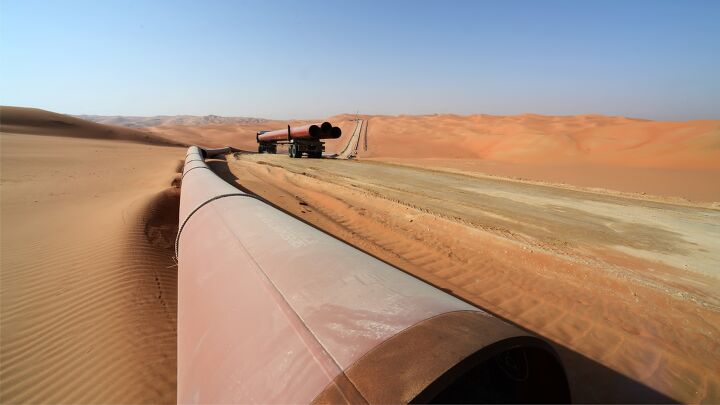
It’s been alleged that the pipeline strikes were carried out by drones originating from Iraq. The Saudi Ministry of Foreign Affairs immediately condemned attacks on its East-West Pipeline in the Riyadh and Madinah regions, requesting that Iraq take the necessary actions to prevent any further hostile actions that might originate from within its borders.
Subsequent strikes were presumed to have been carried out by Houthi militants (Ansar Allah), with reports that the group had taken control of a Red Sea chokepoint that has been a popular alternative route for oil shipments since the closure of the Strait of Hormuz. The Associated Press claims that the Houthis are based in Yemen, backed by Iran, and have taken control of at least one island near the perimeter of the Bab el-Mandeb Strait, which connects the Red Sea to the Indian Ocean.
Considering how inconsistent reports were pertaining to the destruction of the Nord Stream pipelines in 2022, one imagines the above narratives could be subject to change over the coming weeks. But what will be consistent is the impact it has on global energy prices.
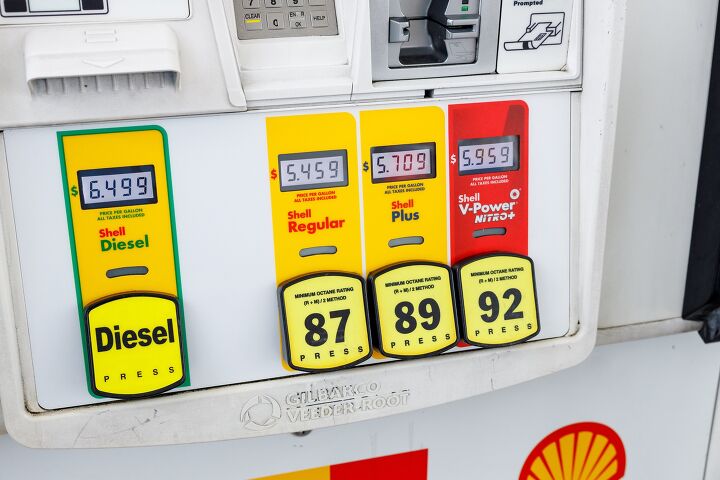
Regardless of how bad the damage actually is or isn’t, the event will almost certainly be used to further rationalize raising global oil prices. In fact, the national average for U.S. diesel prices crested $6 per gallon for the first time in history shortly after news of the drone attacks became public knowledge. Analysts are now predicting that rates will continue to rise in the months ahead unless control of the region reverts to normal.
Saudi Arabia was reportedly using both the pipeline and shipping route as a way to circumvent the heavily restricted Strait of Hormuz. This fact was mentioned in most mainstream coverage of the incident.
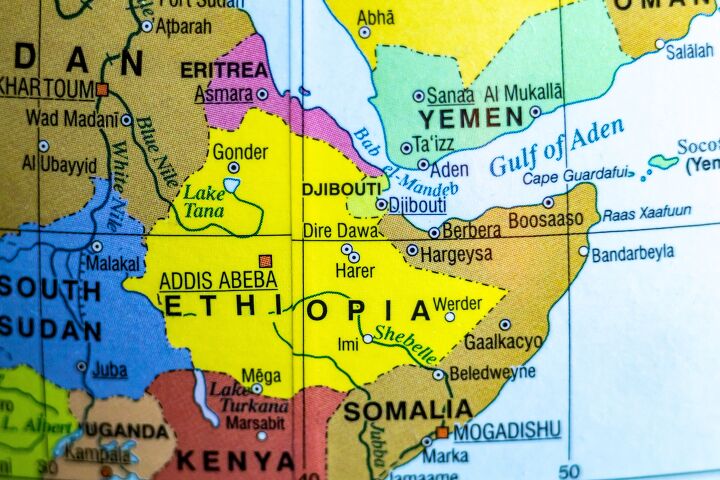
The pipeline has become key to Saudi Arabia since the outbreak of the U.S.-Iran war. The kingdom has rerouted about 5 million barrels of oil per day that would have been destined for awaiting oil tankers in the Persian Gulf, as Iran effectively shuttered the Strait of Hormuz. Instead, that oil has traveled through its East-West pipeline to its port of Yanbu on the Red Sea.
With Houthi fighters declaring they would target any Saudi ships attempting to pass through Bab al-Mandeb out of the Red Sea, that outlet for the kingdom’s oil could also be at risk.
Officials have alleged that repairing the pipeline and the impacted pumping stations would be both difficult and time consuming, even if subsequent attacks were not a possibility. However, the media is promoting this as a new front to the Iranian War — potentially drawing in Yemen and Saudi Arabia.
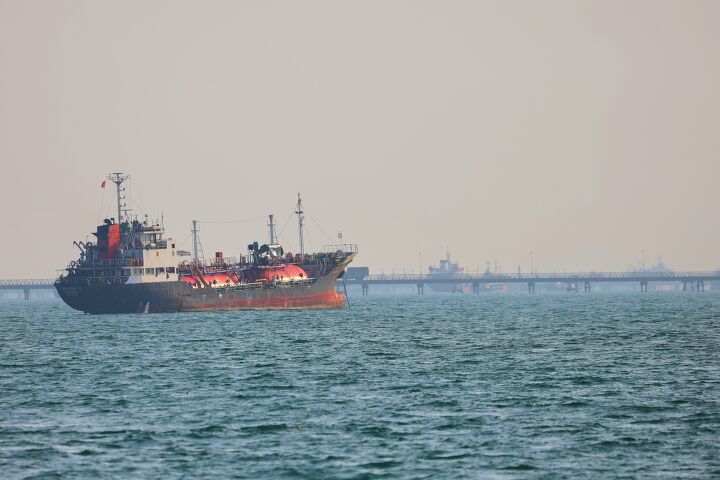
Iran has claimed that it’s only been interested in retaliatory strikes since the start of the war and has alleged that Israel and the United States originally initiated the conflict without sufficient provocation. The last attacks it took credit for (as of Friday) were against U.S. military targets, which leadership said was in response to having several of its oil tankers destroyed by the American Navy. However, U.S. officials claimed those strikes were in response to an earlier attack where Iranian forces launched missiles at an American warship occupying the Gulf.
As one might imagine, there have been conflicting reports about the details of those events. But the end result seems to be one of escalation, especially in regard to who controls regional oil production and the relevant shipping lanes.
Iran has stated that it wants to see an immediate end to the war so that the Strait of Hormuz can be reopened and trade can stabilize. The United States’ objectives are a bit more complicated, with the Trump administration having indicated that it wants the route to be left completely open without any Iranian enforcement zones. However, U.S. forces were also the first to blockade the route immediately after launching strikes against Iran.
The United States has been disinclined to negotiate, with President Trump refusing to acknowledge any talks that don’t completely satisfy U.S. security terms. This includes ending the alleged Iranian nuclear program we’ve been hearing about for decades.
Iranian media outlets have claimed that there will be a meeting between Gulf countries on Monday on how best to proceed with negotiations regarding the establishment of safe trade routes in the Strait of Hormuz. This will include representatives from Saudi Arabia, Oman, Bahrain, Kuwait, Qatar, United Arab Emirates. Details stem from Iranian Foreign Ministry diplomat Esmaeil Baghaei. Talks will presumably include discussions about the drone strikes and whatever happened around Bab al-Mandeb on Thursday.
There have likewise been reports that Saudi Crown Prince Mohammed bin Salman asked President Trump to strike Houthis in Yemen. But the United States reportedly declined to take direct military action instead focusing on intelligence gathering.
If you’re wondering how all of the above has impacted oil prices, they’ve spiked. Despite showing signs of stabilizing through most of the summer. Following Thursday’s attacks, Brent crude rose beyond $100 per barrel for the first time since July. While they’ve settled down a bit since then, there are concerns that prices could remain volatile should attacks persist and the relevant trade routes remain choked off.
But that seems to be what literally everyone is spending their time doing. Iran knows that high fuel prices are prone to make U.S. citizens less supportive of military actions in the Middle East. The United States knows that choking off oil exports gives it an excuse to exert control over regional trade routes and prevent Iranian trade in a bid to stifle its economy — and thereby its ability to fight a prolonged war.
And everyone seems to understand that the war is good business for oil producers, who are experiencing massive financial windfalls in 2026. Major oil companies (e.g. ExxonMobil, Shell, Chevron, etc.) have all seen their profitability more than double this year. As luck would have it, warfare is extremely profitable if you’re selling something everyone needs.
With diesel prices now surpassing previous records, it’s expected that companies will increase the cost of all goods to account for increased transportation costs in the coming weeks. Some of that will undoubtedly be done to offset the difference. But we’re confident that, like global oil producers, some of the largest companies will be adding a little extra to the top to help boost their own profitability. Keep in mind that war profiteering is only illegal if the government deems it so.
The only silver lining here is that average gasoline prices (which started at $2.94 per gallon of 87 octane) may not surge quite as badly as diesel. With gasoline rates presently hovering around $4.30 per gallon (87 octane), analysts have speculated that Americans may simply drive even less than they already are. Reports suggest that many households cancelled vacations and opted against taking non-essential trips this summer, so there’s presumably less potential for profit should businesses increase prices. But that’s not to suggest that drivers won’t still see slightly higher rates at the pump should oil supplies remain constrained.
[Images: fornaxstock/Shutterstock; Alex Malt/Shutterstock; somkanae sawatdinak/Shutterstock; Md. Raihan Uddin Rafi/Shutterstock; Margarita Young/Shutterstock]
Become a TTAC insider. Get the latest news, features, TTAC takes, and everything else that gets to the truth about cars first by subscribing to our newsletter.
via Autobuzz Today
Comments
Post a Comment