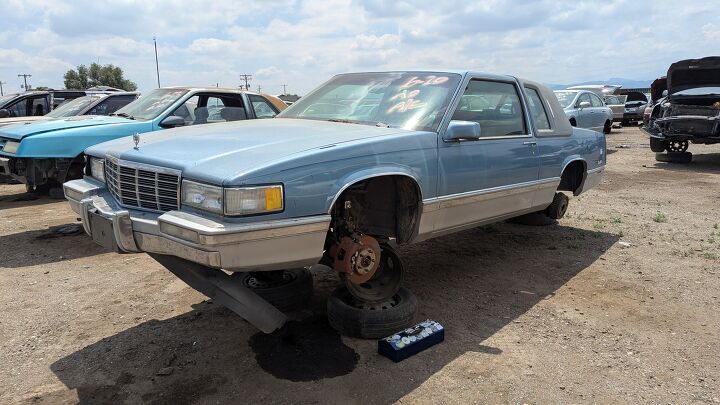
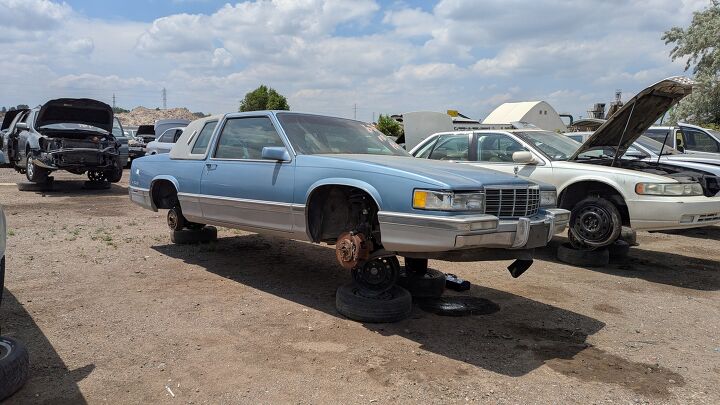
The General's Cadillac Division built Coupes de Ville for the 1949 through 1993 model years, after which the De Ville name became sedan-only until the end came in 2005. Today's Junkyard Find, spotted last year in a Denver-area yard, is one of the last two-door De Villes ever built.
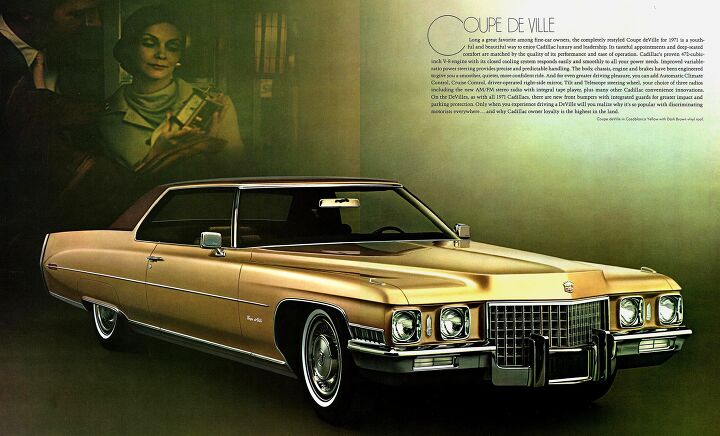
I just wrote about a junked 1971 Coupe de Ville for the publication that stole our beloved Sajeev Mehta from here, which means endless promotional materials from the De Ville's glory days (highlighting affluent middle-aged-yet-still-youthful 1960-1980 Michiganders at golf courses and valet stands) are still fresh in my mind.
Coupe de Ville sales first topped 100,000 for the 1973 model year (or 1972, if you include the De Ville-based Calais coupe) and stayed there all the way through 1979.
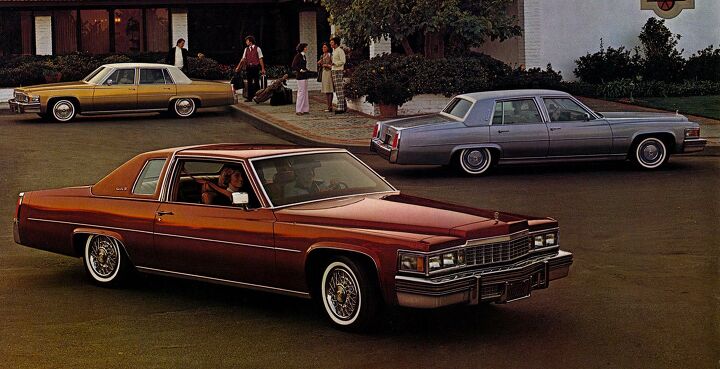
The year of Peak Coupe de Ville was 1977, with 138,750 units sold for the newly downsized C-Body. Sales of the Sedan de Ville first surpassed the Coupe for 1978 and stayed there until the end.
Still, Coupe de Ville sales stayed above 50,000 per year all the way through 1984, not coincidentally around the time that SUVs started becoming the sporty-looking choice for older car shoppers who wanted to feel a bit rakish.
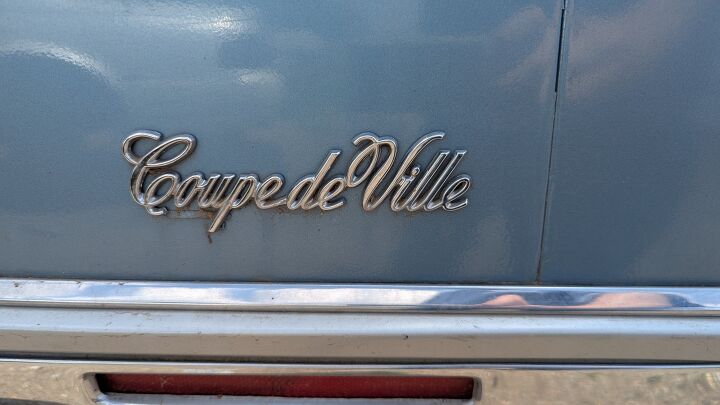
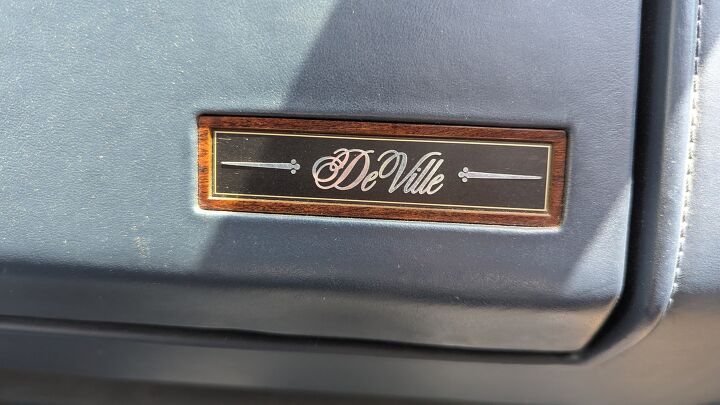
Some of you are experiencing a rise in blood pressure due to my use of "de Ville" and "De Ville" in the same paragraphs, so now I will explain my reasoning. Going through endless Cadillac brochures, advertisements and emblems for the entire 1949-2005 period of the De Ville family (from trim-level designation to standalone model name), I have learned that the Cadillac Division would use "de Ville" if preceded by "Sedan," "Coupe" or "Cadillac" and "De Ville" if by itself.
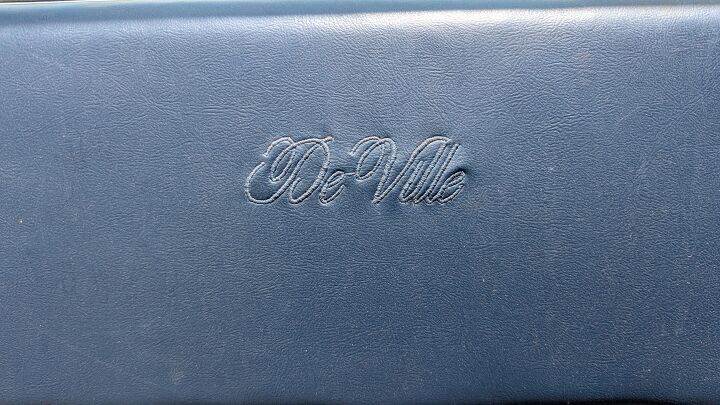
Sometimes there would be a space between the two French words, sometimes there would be no space. Sometimes you'll see both spellings in the same brochure, so any GM Style Guide back then was ignored by editors working on Cadillac Division materials. I couldn't find any instance of the way Cadillac pluralized the De Ville model names, so I'm going with the French, e.g., Coupes de Ville.
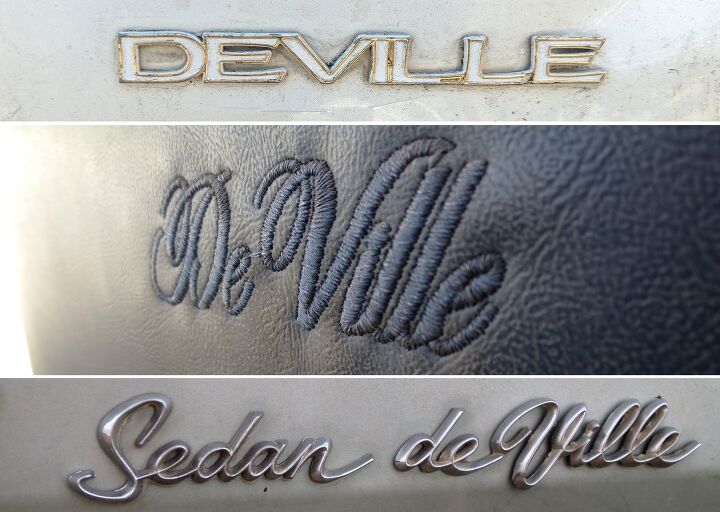
No matter how you spelled it, GM's version of the "town car" name looked French and that was just classy (by the standards of 20th-century GM high-rankers).
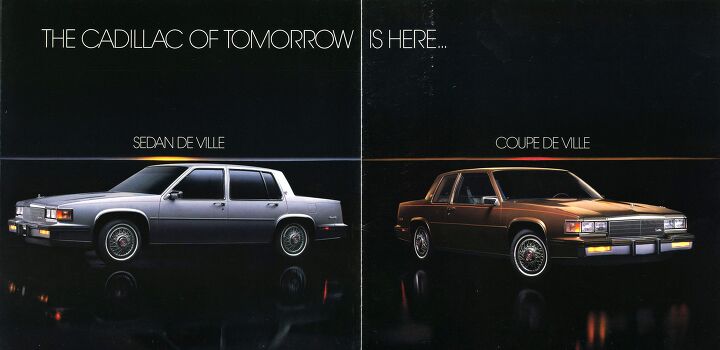
The final generation of the Coupe de Ville had its debut as a 1985 model, on a new front-wheel-drive platform (the first for the De Ville) shared with such opulent machines as the Buick Park Avenue and Oldsmobile Ninety-Eight.
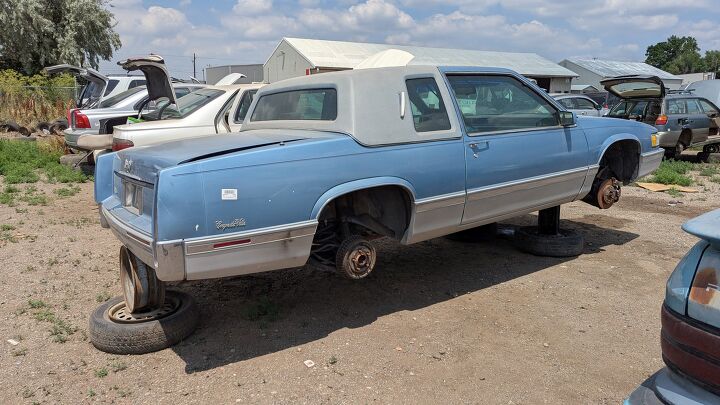
To be fair, the Fleetwood had been what amounted to the top De Ville trim level since the late 1970s and fewer than 2,000 Allantés were sold as 1992 models. It's sad to see a once-prestigious model become irrelevant.
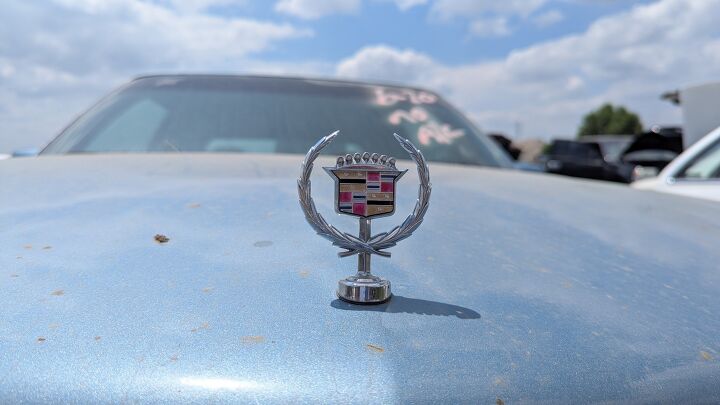
For the 1992 model year, 8,423 Coupes de Ville and Fleetwood Coupes were sold (my reference books don't make a distinction between the two). Meanwhile, Cadillac sold 133,808 Sedans de Ville/Fleetwood Sedans plus 31,151 Eldorados that year.
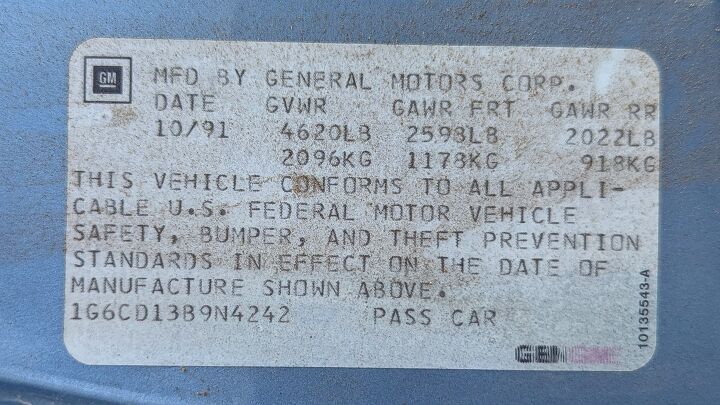
Like all 1985-1993 Coupes de Ville, this one was built at Orion Assembly in Michigan. That plant built only C-Bodies at first and should begin bolting together gasoline and/or electric trucks, eventually, maybe.
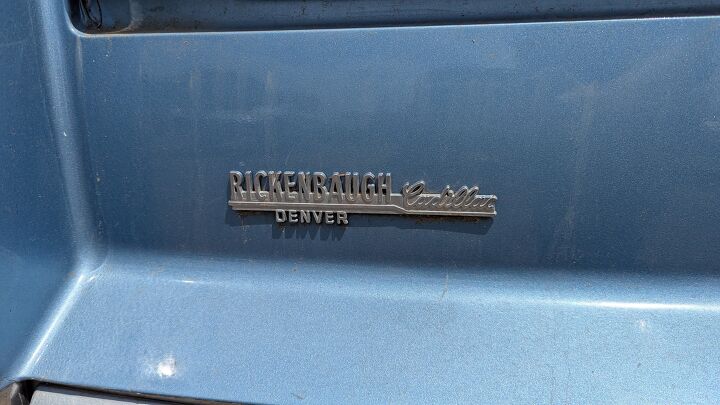
It was sold new at Rickenbaugh Cadillac, one of the handful of new-car dealerships that haven't fled the city of Denver for lower-tax counties in recent decades.
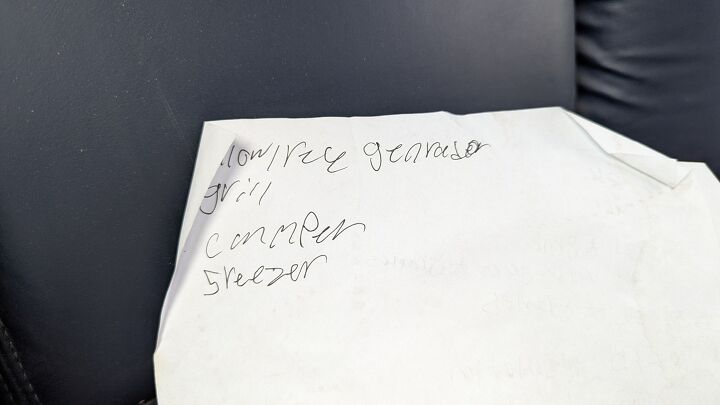
From the papers I found inside, I learned that its original owner was a senior citizen at the time of purchase and drove the car until about four years ago.
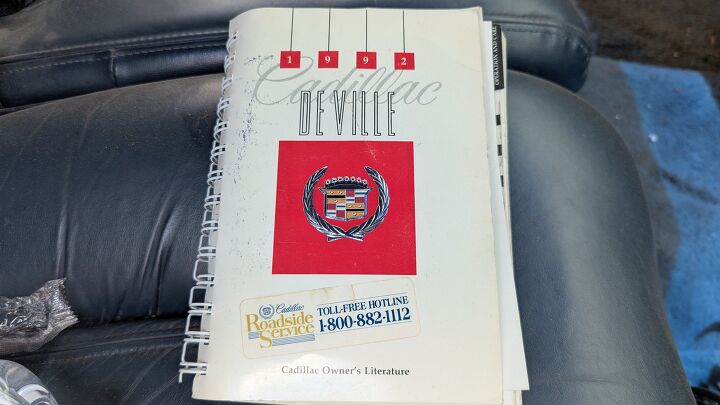
Then it fell into the hands of a couple of short-duration owners who didn't treat it with the same level of care as the original buyer. My guess is that a repair costing more than a couple of hundred bucks and/or unpaid parking tickets doomed this car.
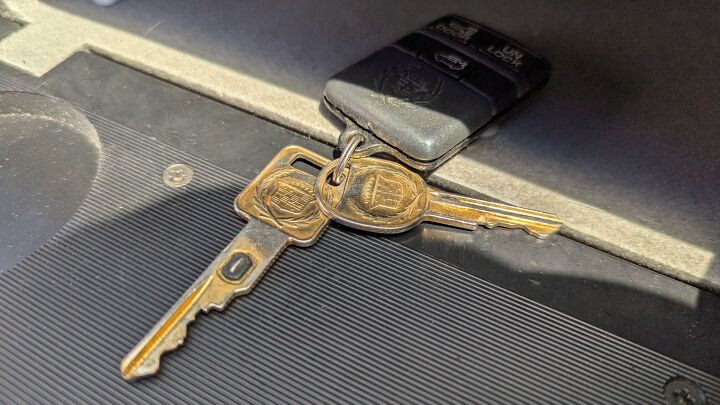
An optional keyless remote locking system was introduced for the 1991 De Ville/Fleetwood lineup. For 1992, the price tag was $295, or about $716 in 2026 dollars.
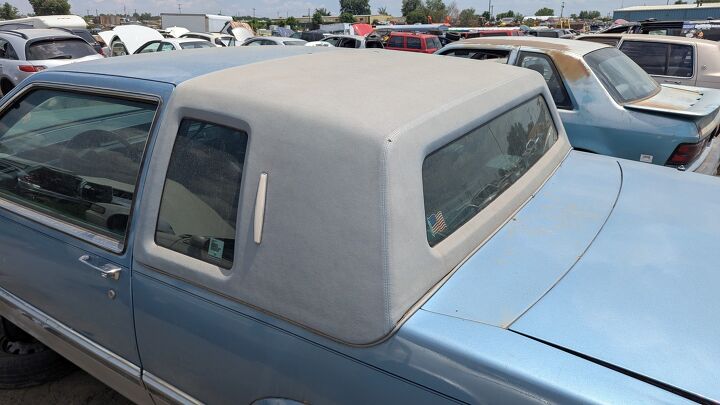
The era of the padded landau roof was coming to a close as the 1990s began, but buyers of the 1992 Coupe de Ville could still get one (for $925, or $2,244 after inflation). This was called the "Formal Cabriolet Roof" but it will always be a padded landau to me.
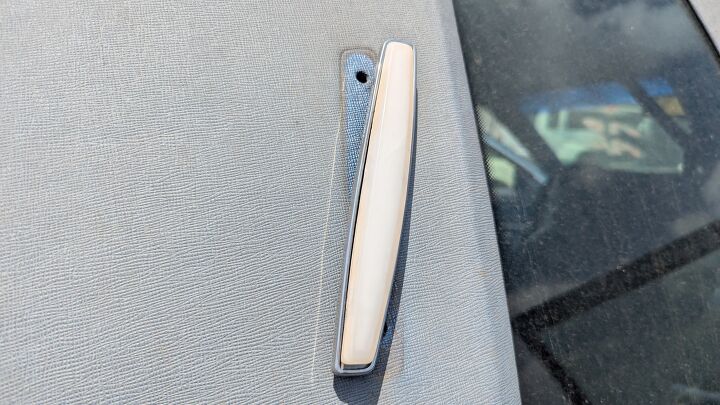
You could get an optional faux-convertible roof for the De Ville, but it didn't have opera lights. Why bother if you can't have opera lights?
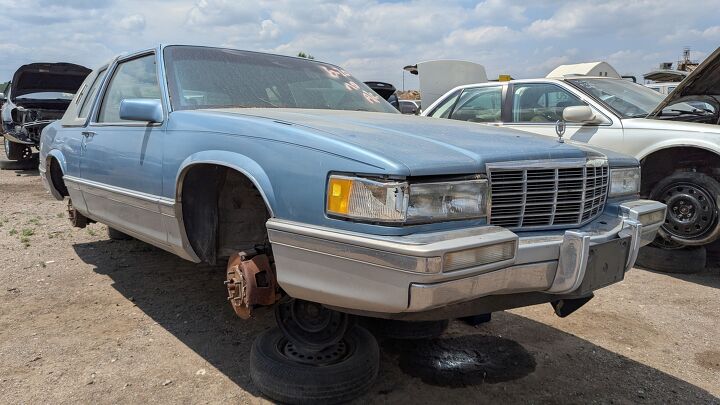
The MSRP for this car before the options was $31,740, or about $76,990 today. That was identical to the price tag on the 1992 Brougham, which was the old rear-wheel-drive C-Body Fleetwood Brougham, then in its final year of production.
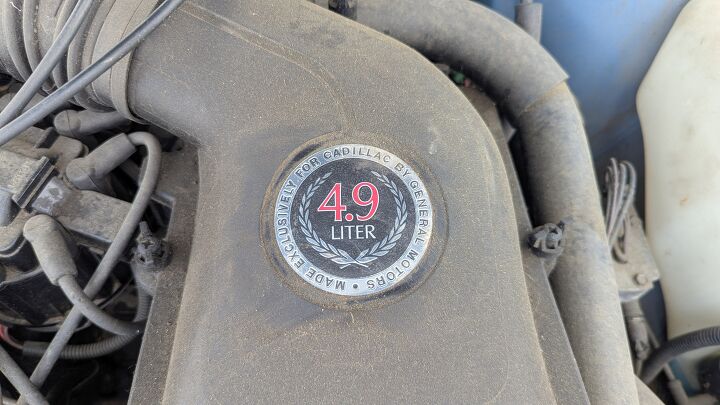
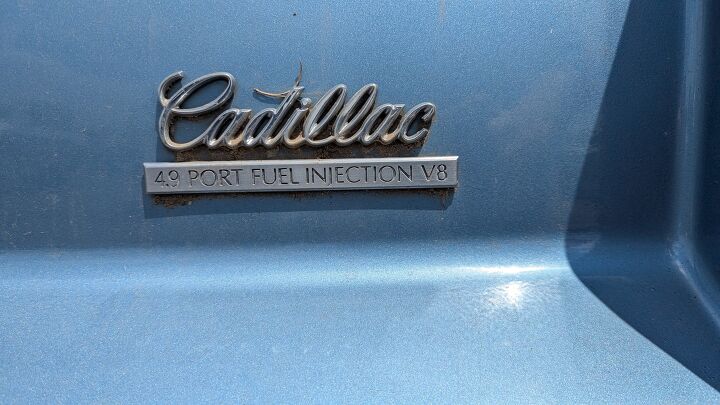
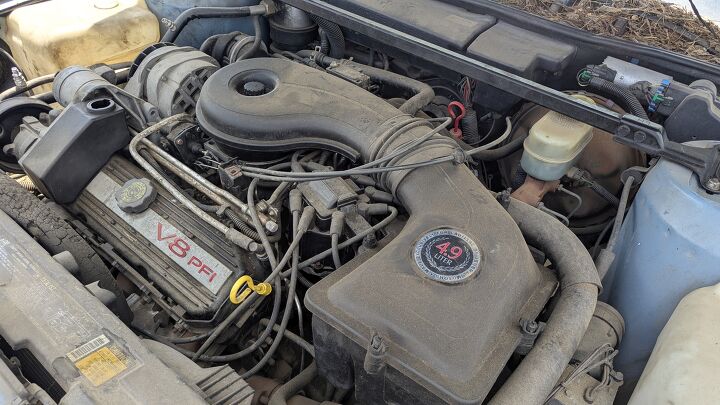
The engine is the 4.9-liter version of the High Technology pushrod V8 engine, rated at 200 horsepower and 275 lb-ft of torque.
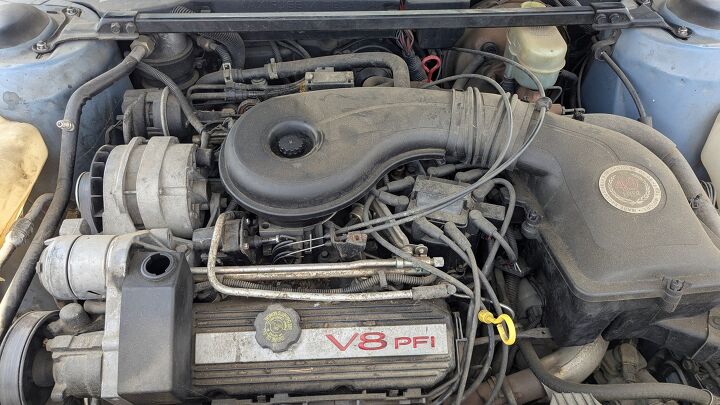
The High Technology engines were lightweight and most of its problems had been solved by the time the 4.9-liter L26 first appeared in the 1991 model year, but the damage to Cadillac's reputation had been done by then.
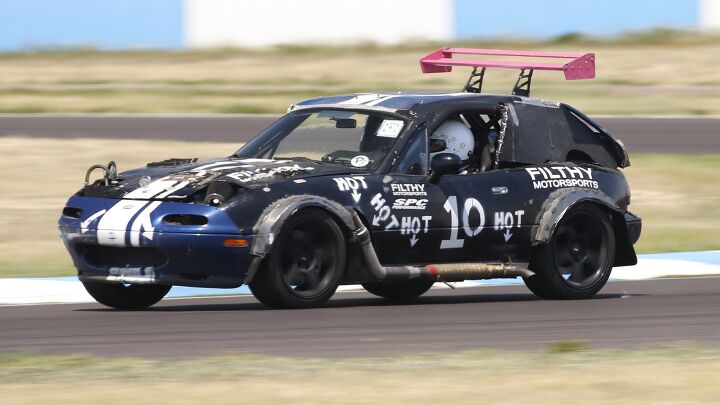
The L26's compact size, light weight and cheap purchase price have made it tempting to 24 Hours of Lemons racers looking to do silly engine swaps. This L26-powered "Trashback Caddiata" run by Petrosexual Racing in Colorado holds the High Plains Raceway fast-lap record for any 24 Hours of Lemons car (including egregious cheaters who got buried under penalty laps) and its engine was utterly bulletproof for race after race.
In fact, the HT has been the most reliable pushrod Detroit V8 to compete in the 24 Hours of Lemons (maybe because most of its races have been in Cadillacs with automatic transmissions that make it more difficult to over-rev and/or money-shift). But then Alfa Romeos are more reliable than Toyotas in Lemons racing, which is a topsy-turvy automotive world.
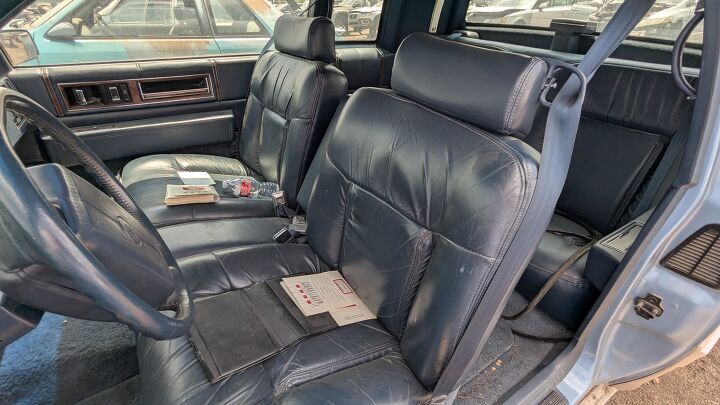
The interior of this car was in beautiful shape at the end.
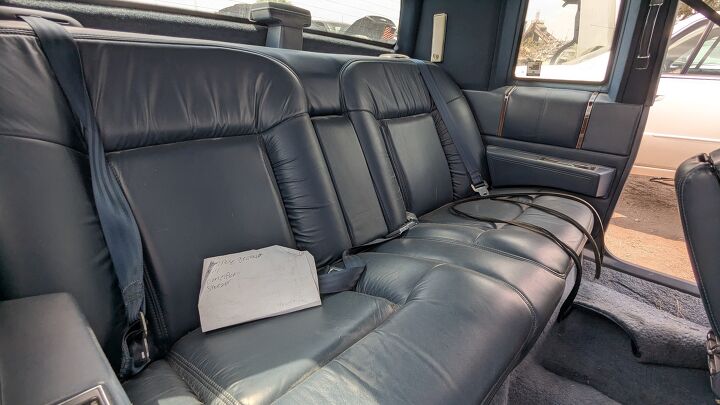
The leather seat upholstery cost 570 bucks (1,383 present-day bucks).
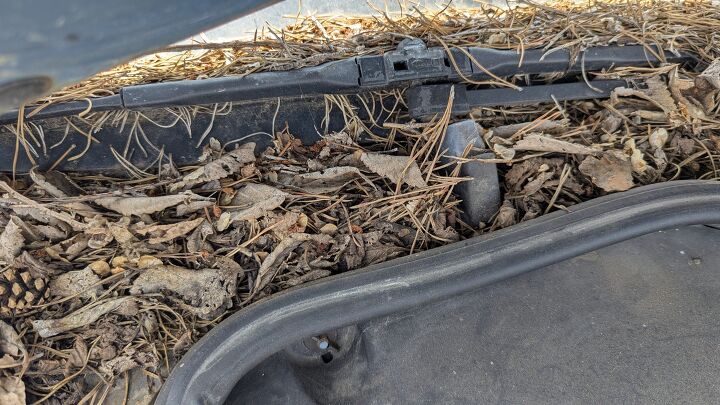
The body was damn near perfect, too. The buildup of leaf detritus suggests that something expensive broke and the car sat for a year or two before coming here.
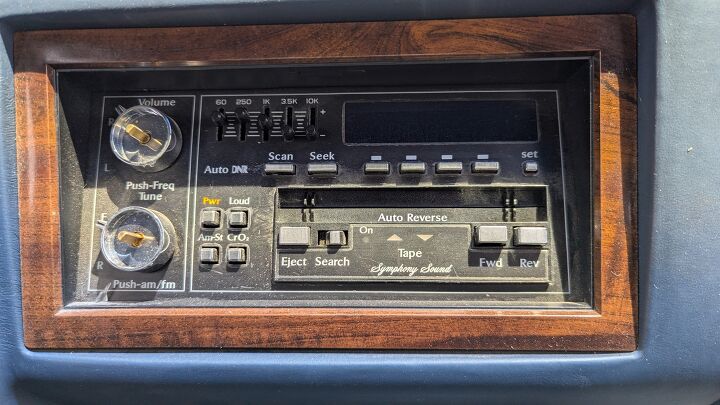
This is the base "Symphony Sound" AM/FM/cassette sound system. If you wanted a Bose rig with a CD player along with the cassette deck, the price was $925 ($2,244 now).
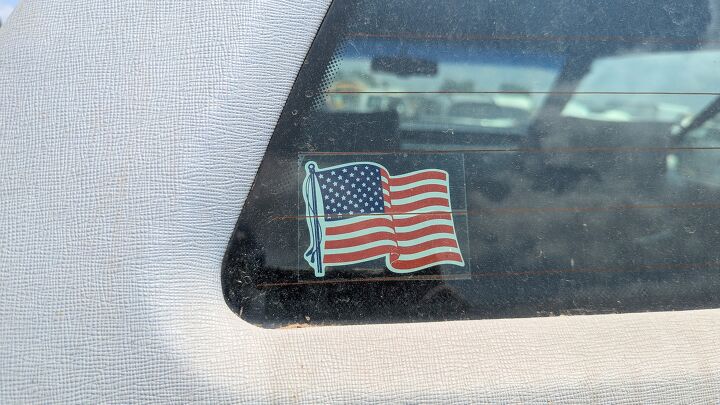
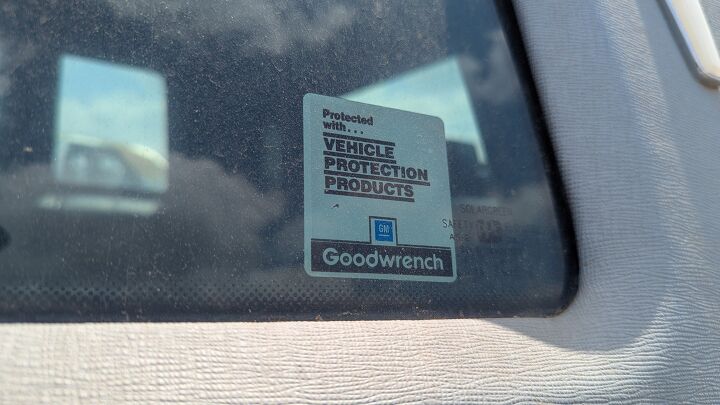
At least this Coupe de Ville has a Gulf War-era Stars and Stripes sticker.
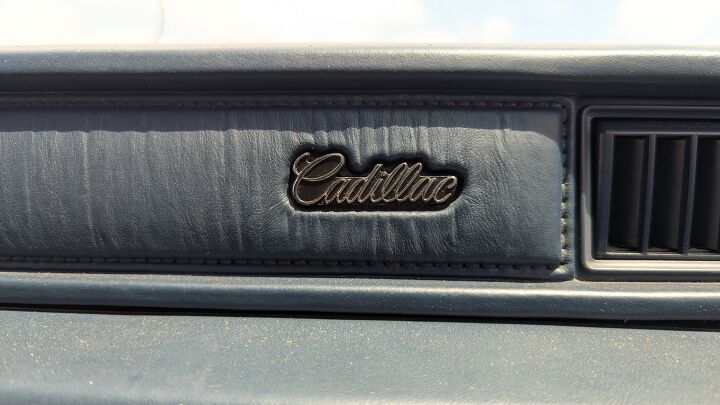
1992 Cadillac Coupe de Ville in Colorado junkyard.
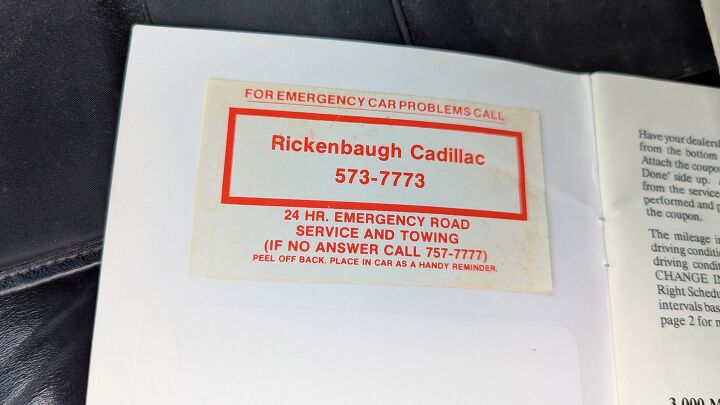
1992 Cadillac Coupe de Ville in Colorado junkyard.
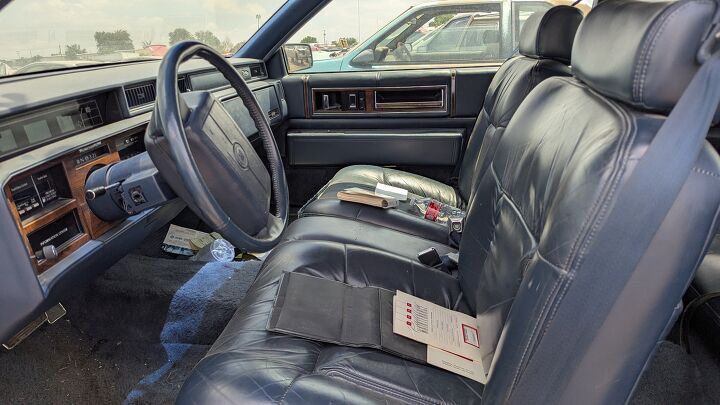
1992 Cadillac Coupe de Ville in Colorado junkyard.
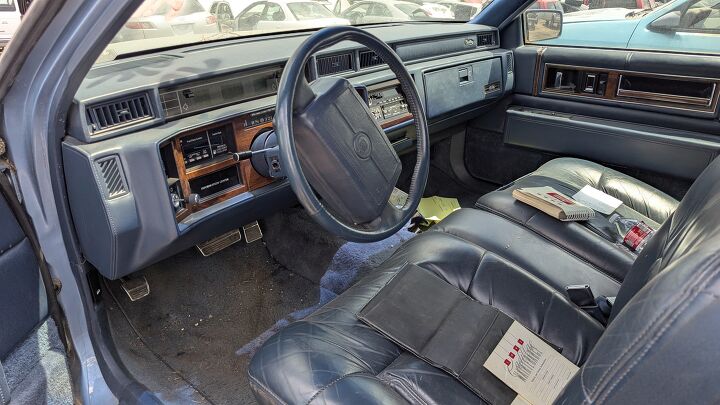
1992 Cadillac Coupe de Ville in Colorado junkyard.
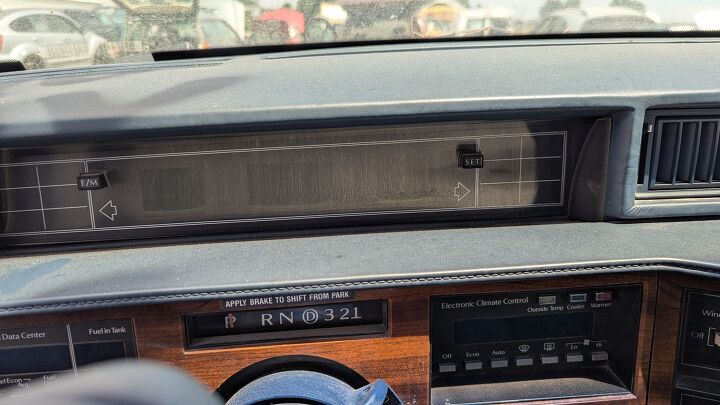
1992 Cadillac Coupe de Ville in Colorado junkyard.
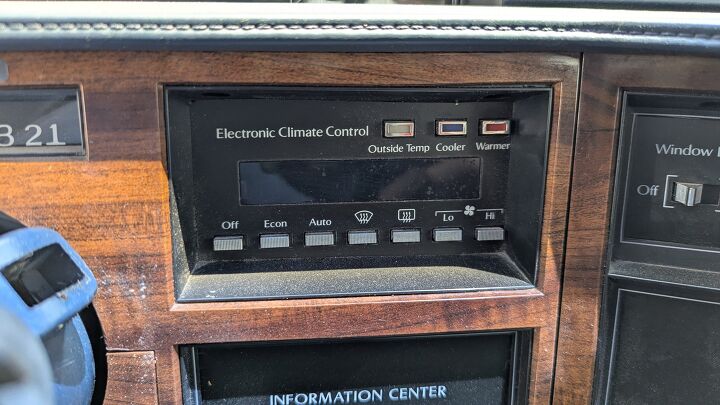
1992 Cadillac Coupe de Ville in Colorado junkyard.
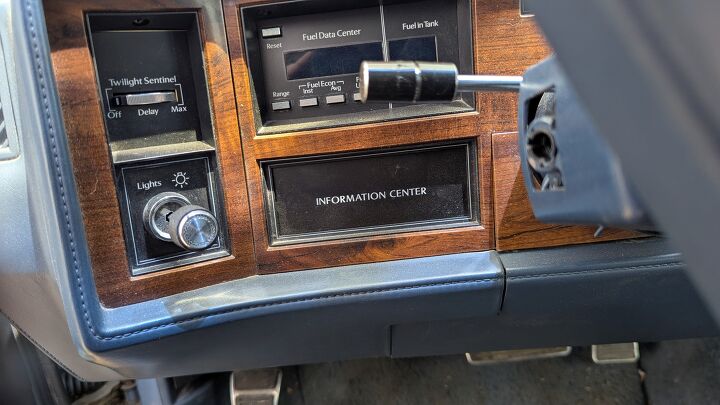
1992 Cadillac Coupe de Ville in Colorado junkyard.
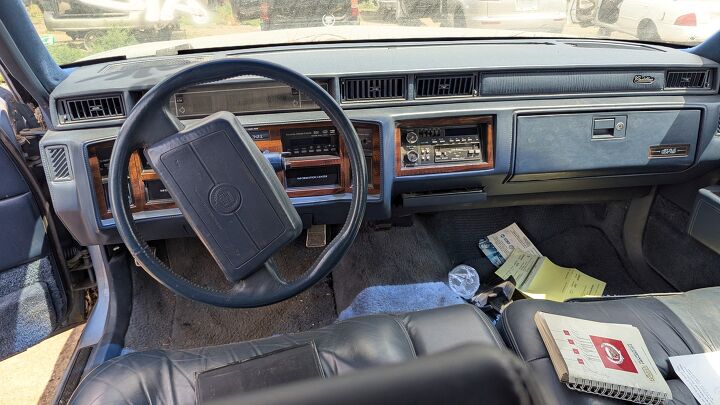
1992 Cadillac Coupe de Ville in Colorado junkyard.
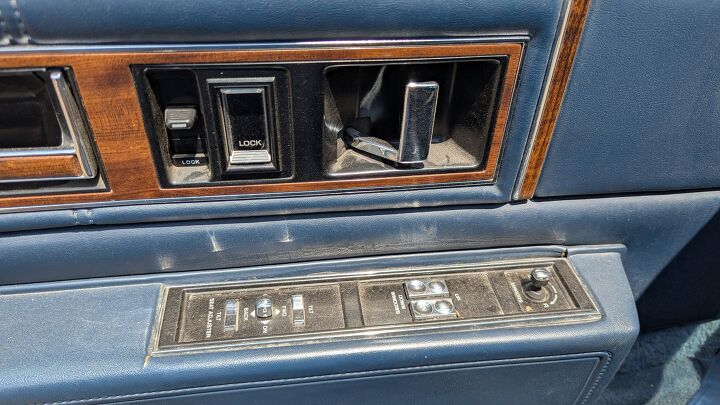
1992 Cadillac Coupe de Ville in Colorado junkyard.
1992 Cadillac Coupe de Ville in Colorado junkyard.
1992 Cadillac Coupe de Ville in Colorado junkyard.
1992 Cadillac Coupe de Ville in Colorado junkyard.
1992 Cadillac Coupe de Ville in Colorado junkyard.
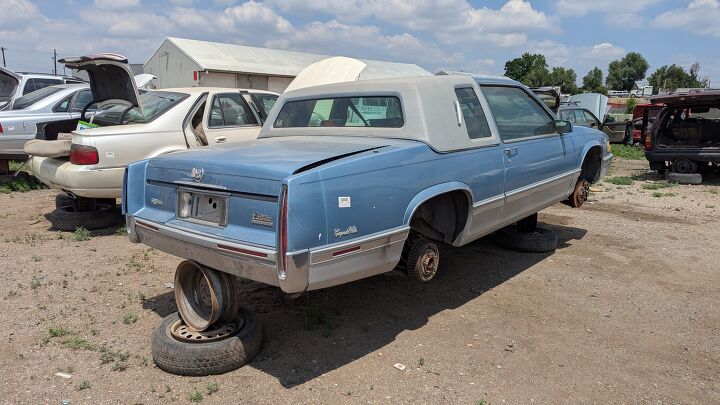
1992 Cadillac Coupe de Ville in Colorado junkyard.
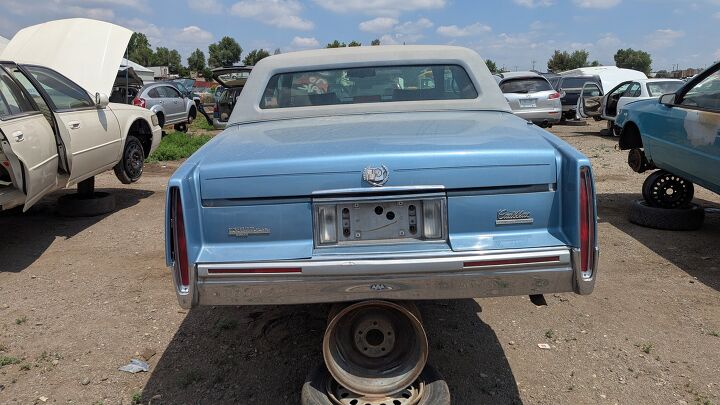
1992 Cadillac Coupe de Ville in Colorado junkyard.
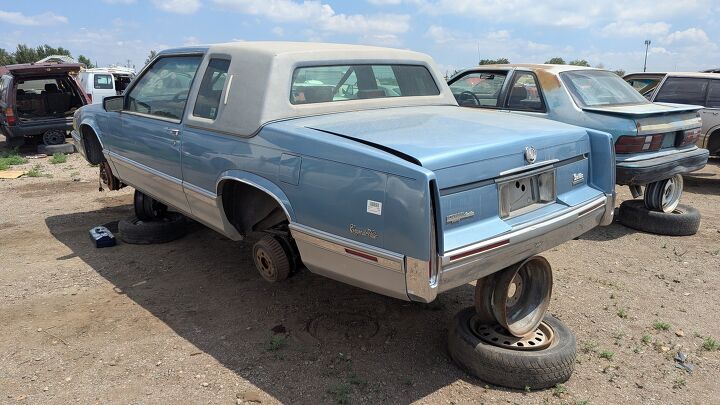
1992 Cadillac Coupe de Ville in Colorado junkyard.
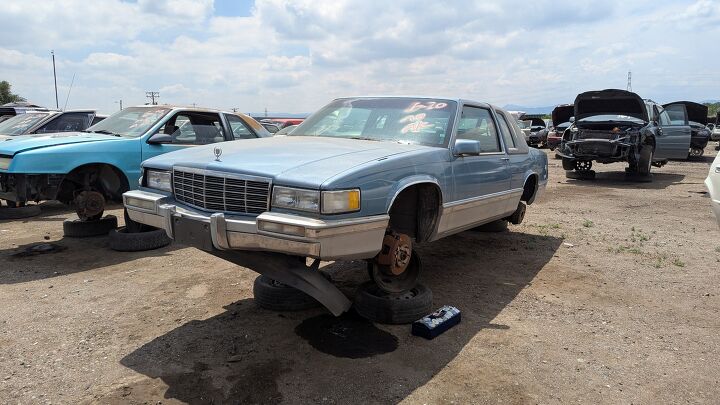
1992 Cadillac Coupe de Ville in Colorado junkyard.
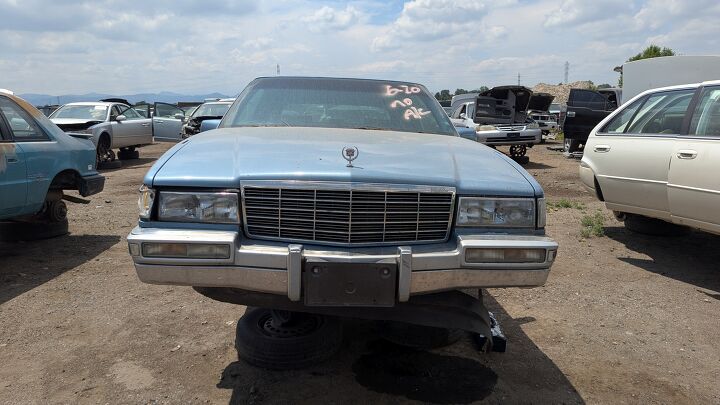
1992 Cadillac Coupe de Ville in Colorado junkyard.
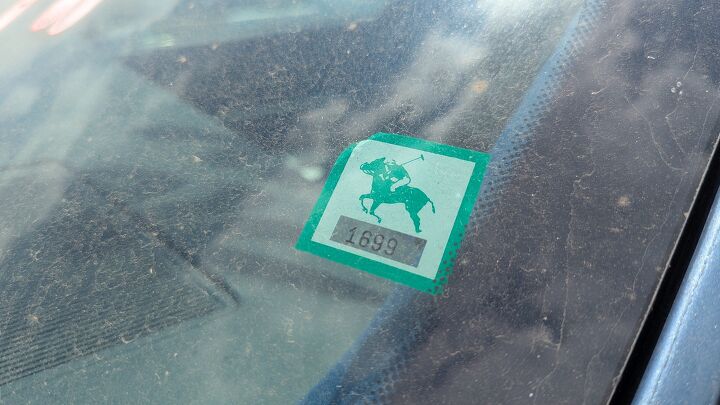
1992 Cadillac Coupe de Ville in Colorado junkyard.
via Autobuzz Today
Comments
Post a Comment