Xpeng wants half of the 1 million vehicles it plans to sell globally each year by 2030 to come from Europe, which works out to 500,000 units annually.
That number is not plucked from nowhere. Hit it, and the Guangzhou-based automaker would leapfrog both Ford and Stellantis-owned Opel in European volume. Whether it gets there is another matter entirely, and the company's own chairman has already identified the obstacle standing in the way.
The context that makes this ambitious: Xpeng has sold roughly 60,000 cars across Europe in the six years since it entered the market. Ford, by contrast, delivered upward of 426,000 vehicles in Europe during the prior year alone. Closing a gap that wide in the back half of a decade would require not a ramp but a near-vertical climb.
Start with the raw numbers, because they frame everything else. Xpeng entered Europe via Norway in 2020, beginning with sales of the G3 there late that year. In the years since, those 60,000 or so cumulative deliveries have been heavily weighted toward the most recent stretch — the bulk arriving as the company expanded its lineup and dealer presence.
Set that against the established players and the scale of the task becomes obvious, claims CarScoops. Ford sold 426,459 cars across Europe last year. Opel and Vauxhall together reported 399,783, and even Kia moved 507,304. For reference, Tesla sold 238,656 — nearly four times Xpeng's six-year running total in a single year. To reach 500,000 annually, Xpeng needs to multiply its best-ever yearly figure many times over.
He Xiaopeng, Xpeng's chairman, laid out the goal at the Paris Motor Show. His aim is for the company to move one million vehicles a year by 2030, with Europe accounting for half of that — the 500,000-unit figure. That would put Europe on par with whatever Xpeng manages at home and across its other markets combined, a remarkable weighting for a company that still sells most of its cars in China.
The target is not couched as aspiration-for-the-sake-of-it. He named the specific rivals he intends to pass. If Xpeng reaches 500,000, it sails past both Ford's 426,459 and Opel's figure, slotting into territory currently held by legacy brands with decades of European dealer networks, service infrastructure, and brand recognition behind them.
Here is where the plan gets concrete. He identified capacity as the single biggest bottleneck the company faces in Europe, and he was blunt that expanding local production is the key to hitting the number. The company does not intend to simply flood the continent with cars shipped from China. Instead, the strategy depends on building more of its cars on European soil.
There are both regulatory and competitive reasons for this. EU rules are prodding Chinese automakers toward local plants and supply chains, and new Made in Europe rules set a floor on how much of an EV's content must be sourced locally. Xpeng's European-built cars are meant to comply with those rules. At the same time, the company still holds a meaningful cost edge over legacy rivals because it sources parts from China — a benefit it will have to balance against local-content requirements as it builds more cars on the continent.
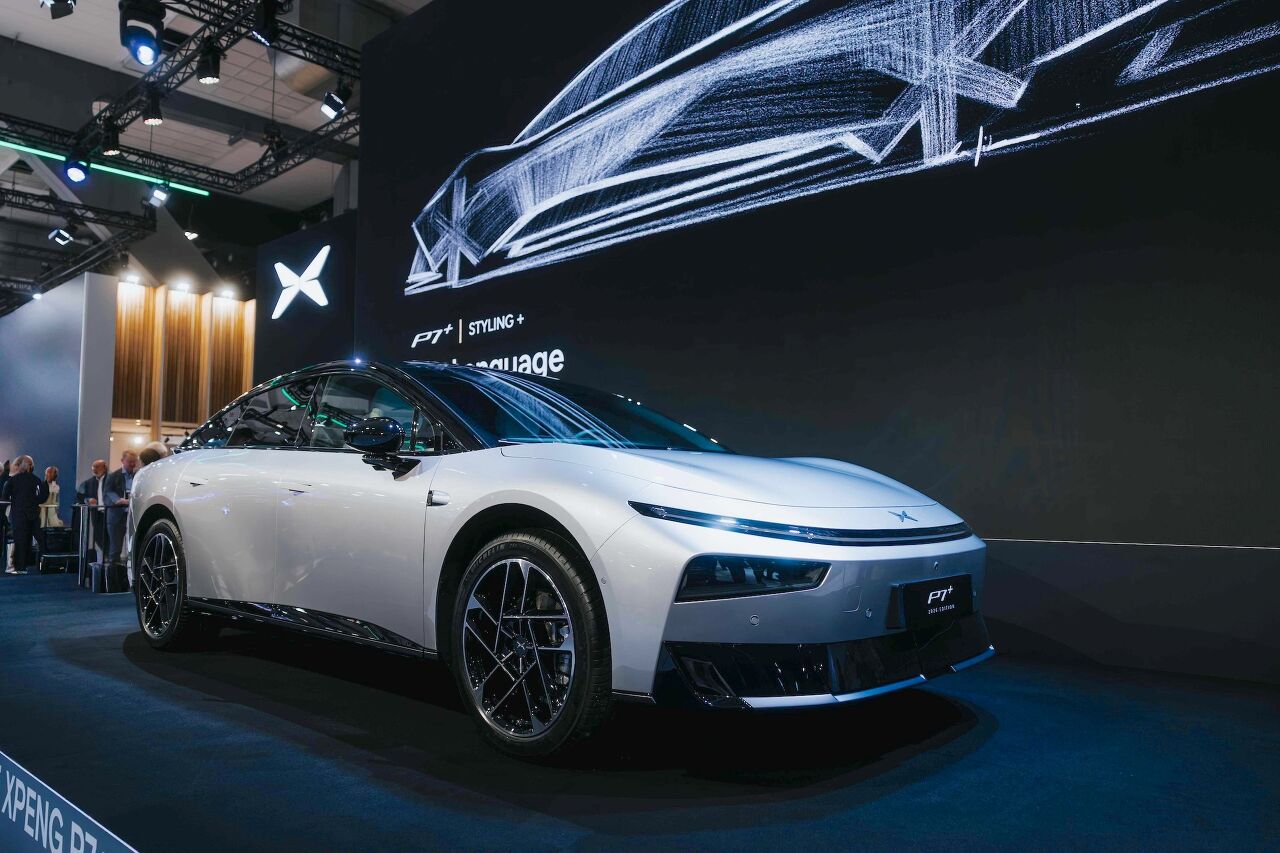
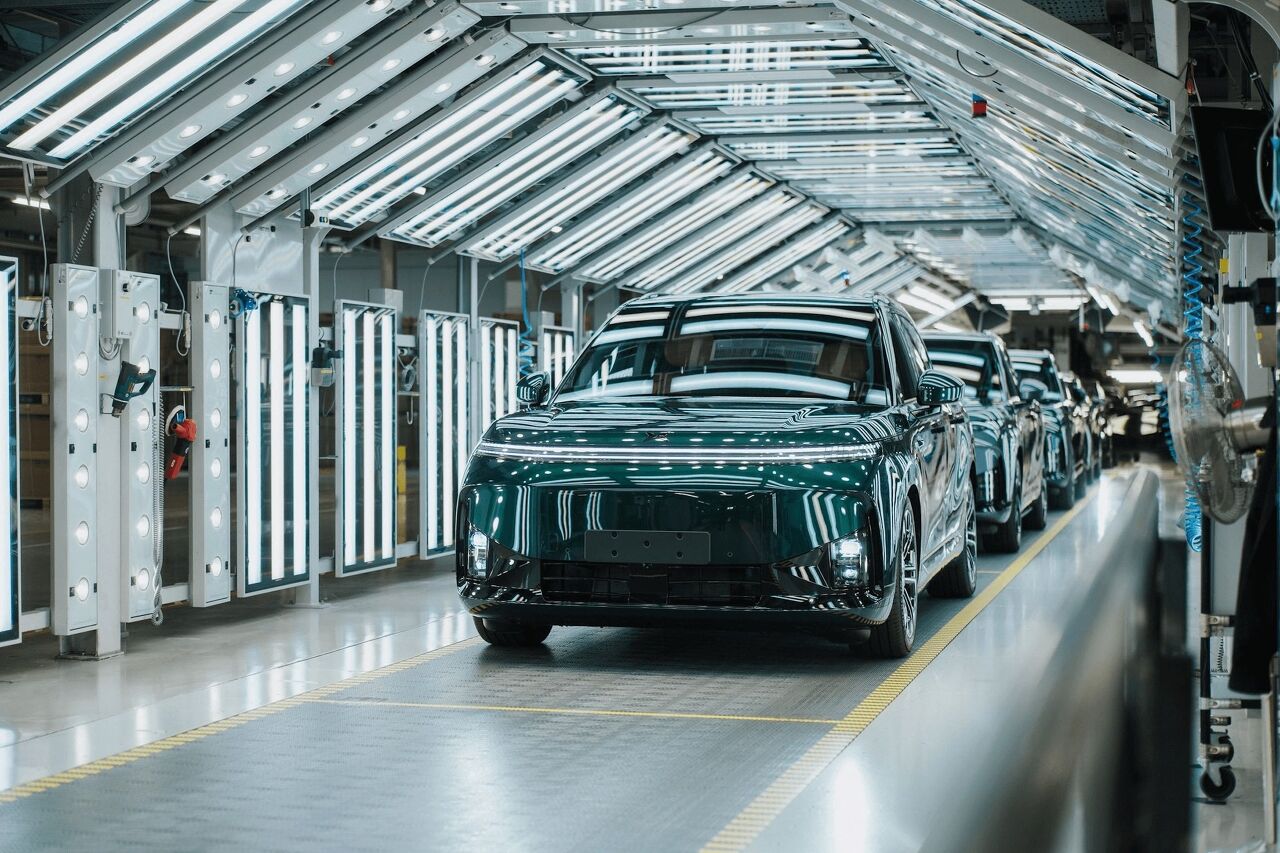
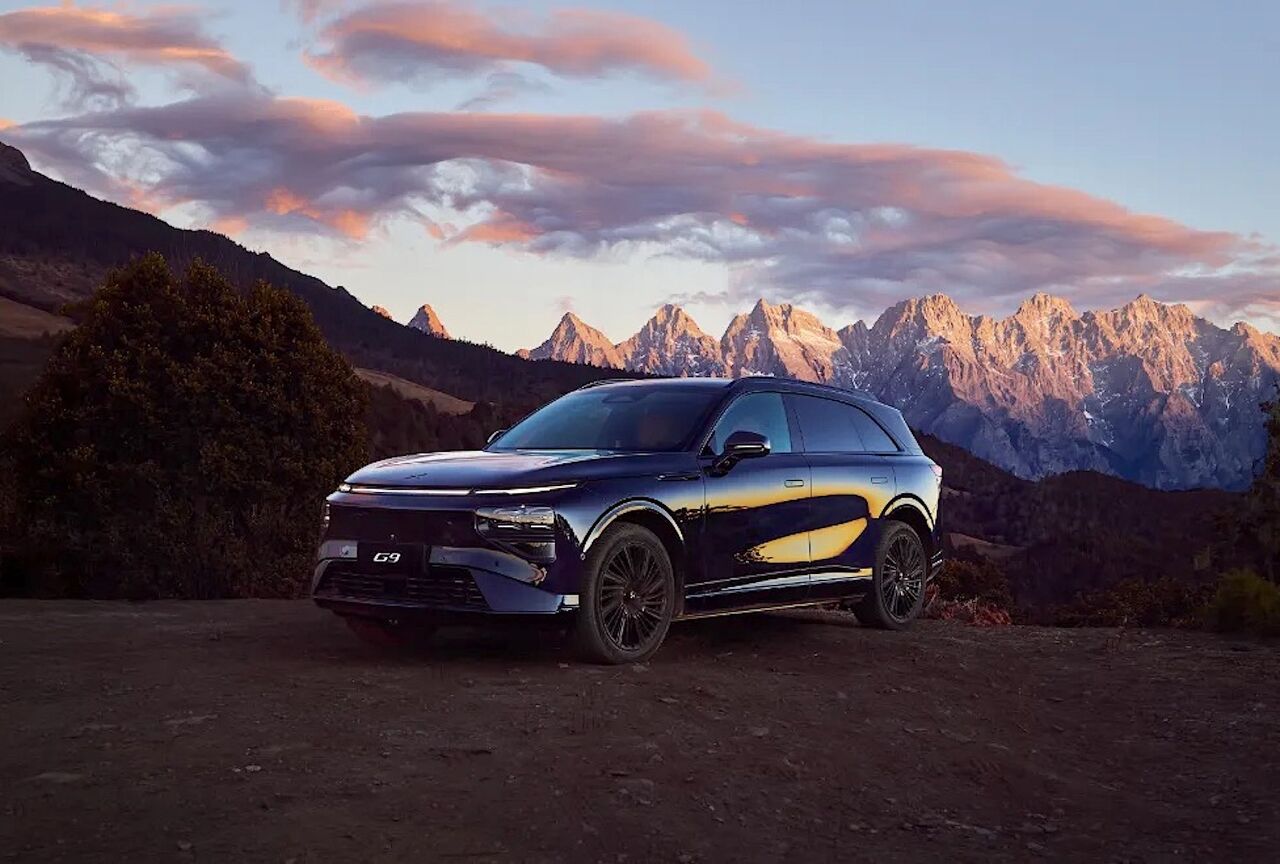
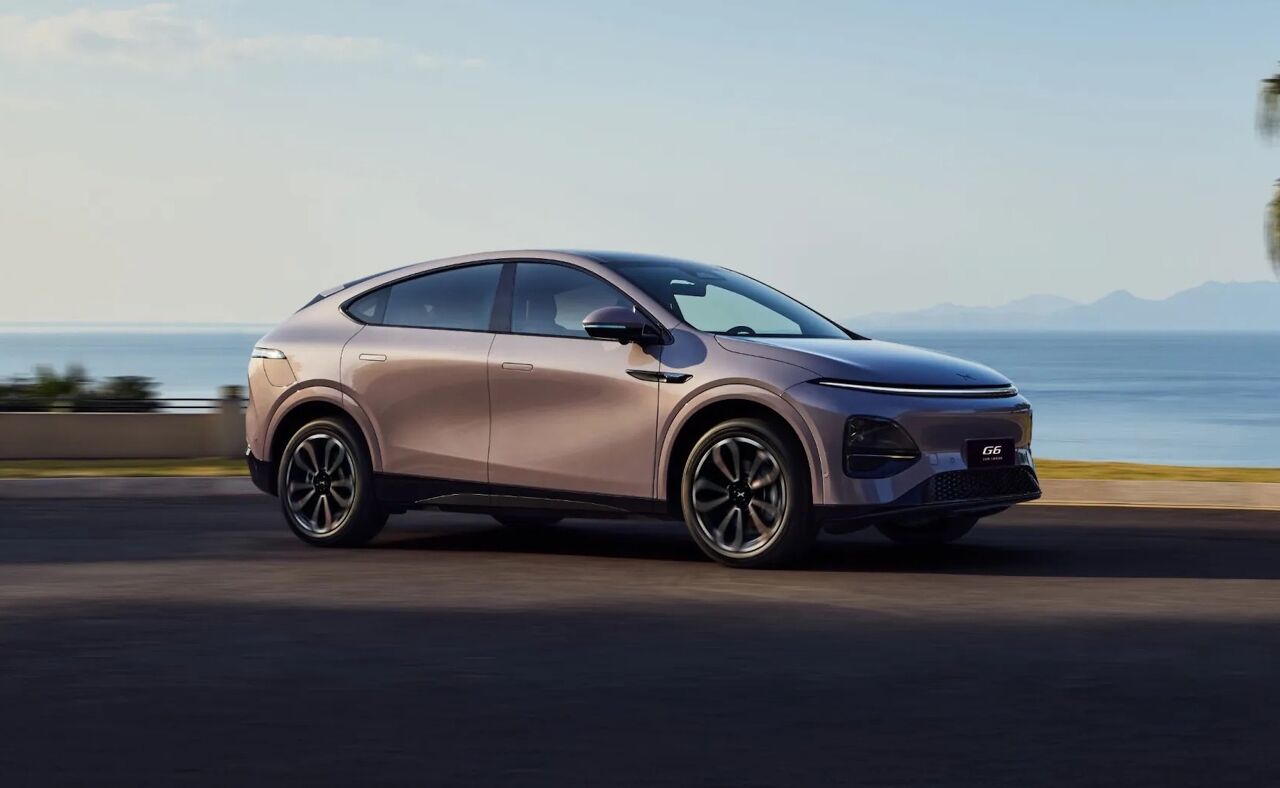
Xpeng already has a foothold in European manufacturing. Contract builder Magna Steyr currently assembles the G6 and G9 SUVs, plus the P7+ sedan, at its Graz, Austria plant. The flagship G9L has finished its first European round of trial production at that same facility, and the company is exploring higher output with Magna Steyr while looking at other European sites for additional production lines.
Of note when it comes to the European market: Volkswagen Group is an Xpeng shareholder. The two partner in China on automotive electronics and driver-assistance technology. Xpeng is treating Volkswagen's own China investment footprint as a blueprint for how to build a lasting local presence in Europe — essentially running the playbook that foreign automakers used to embed themselves in the Chinese market, but in reverse.
The intent is to deepen its European manufacturing rather than lean on cars imported from China. Xpeng wants to team up with a regional partner and either put up a new plant or run production from an existing one. What it has not done is commit. It remains unclear whether talks with potential partners have advanced to firm investment commitments, and the company still has not spelled out the added capacity or potential plant sites it would need to reach 500,000 units. For a target that lives or dies on manufacturing capacity, those are large blanks.
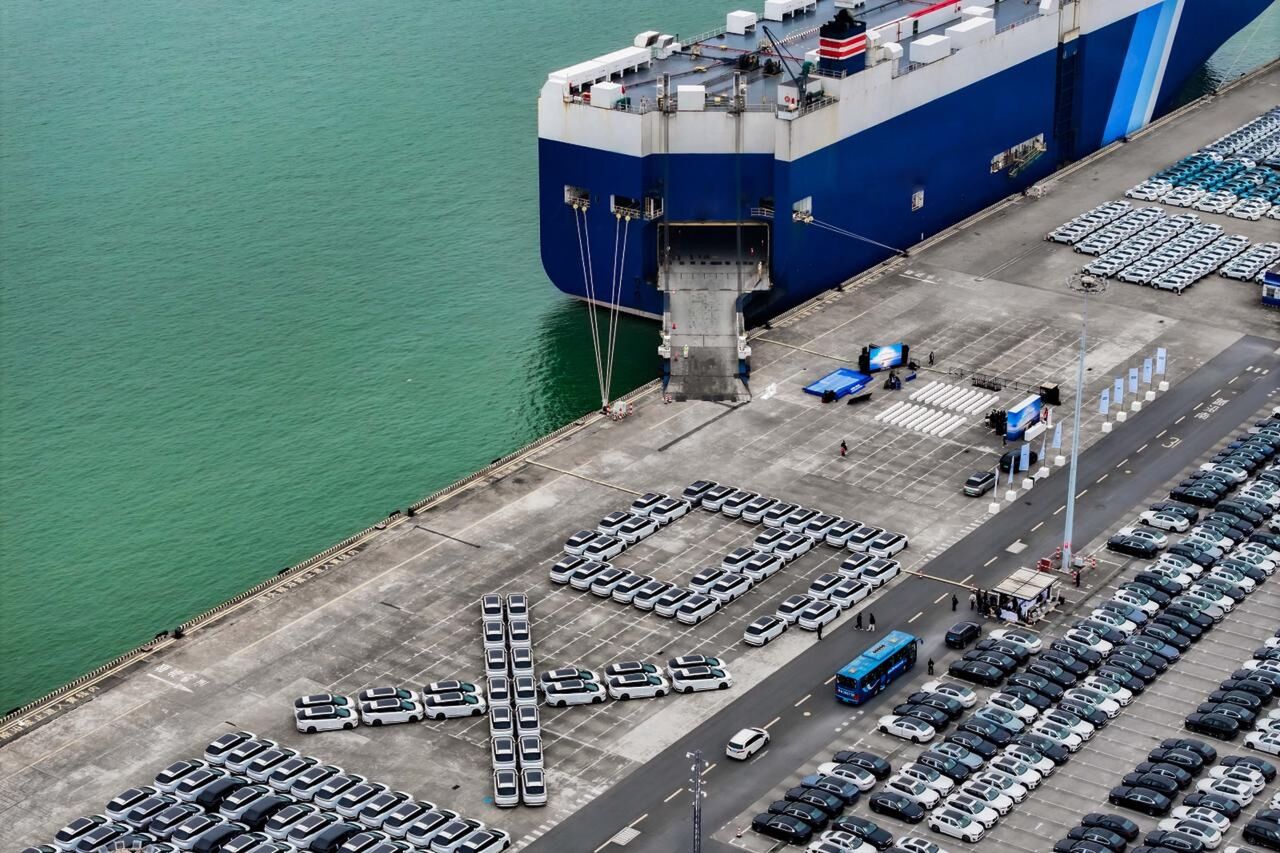
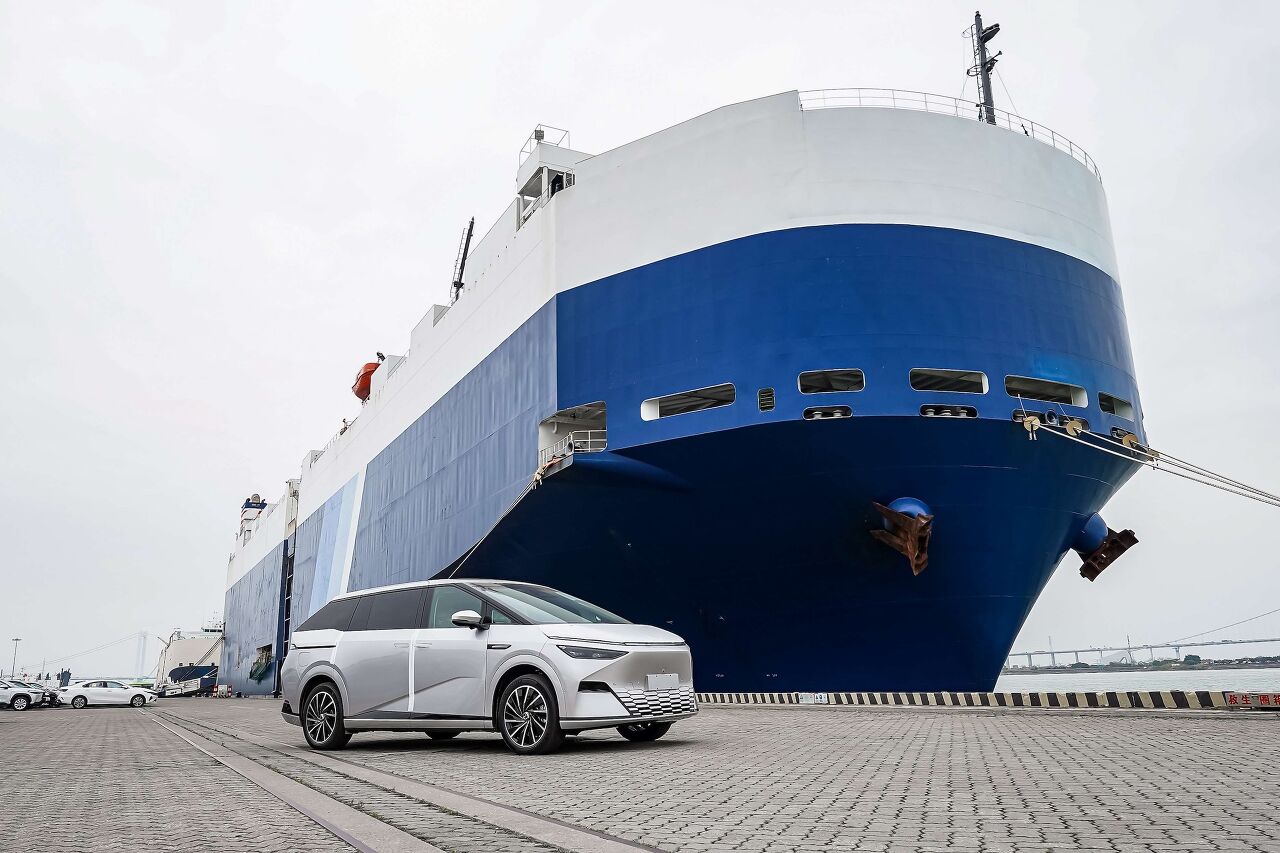
The product spearheading the push is the G9L, Xpeng's flagship SUV, which comes in two forms: a battery-electric version and a range-extender. The range-extender pairs a 63-kWh battery and an electric motor with a turbocharged 1.5-liter inline-four, the engine acting as a generator. Two all-electric versions are confirmed — a base car with a 91.9-kWh battery and a flagship with a 110-kWh pack.
Performance at the top of the range is serious. The range-topping all-electric G9L makes 577 horsepower and 513 pound-feet of torque from two electric motors, and the range-extender produces the same combined figures. In Germany, the G9L starts at €74,600 — placing it squarely in premium territory rather than the volume segment where 500,000 annual sales usually come from.
That tension matters. He told Reuters that the new European plant will concentrate on 'mid-level' vehicles, which suggests the cars that drive the volume play will sit below a €74,600 flagship. Xpeng has given no figure for G9L output at Graz, so the production mix behind the target remains undefined.
The honest read is that the math is daunting. Xpeng would need to go from a six-year cumulative total near 60,000 to a single-year figure of 500,000 — all while building local capacity it has not yet secured, with partners it has not yet signed, at sites it has not yet named. The company is not alone in chasing a European foothold: BYD and other Chinese automakers are racing to do the same, partly because they face sagging sales at home and partly because EU policy effectively requires local investment to compete.
What Xpeng has going for it is a cost advantage, a Volkswagen relationship that doubles as a template, and a working contract-manufacturing arrangement already turning out cars in Austria. What it lacks is the committed capacity to turn a 60,000-car running total into a 500,000-car year. If you are tracking whether this target survives contact with reality, watch for the one thing Xpeng keeps saying is the bottleneck: a firm, named, funded production commitment in Europe. Until that lands, the Ford-beating headline is a projection, not a plan.
[Images: Xpeng]
Become a TTAC insider. Get the latest news, features, TTAC takes, and everything else that gets to the truth about cars first by subscribing to our newsletter.
via Autobuzz Today
Comments
Post a Comment