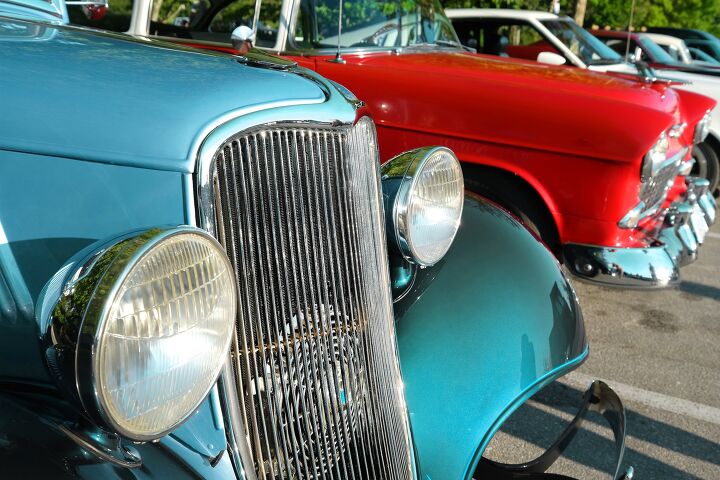
Our roads have become a parade of nondescript crossovers in drab paint jobs. But it wasn’t always like this and there’s evidence that something other than grayscale may soon be back on the menu.
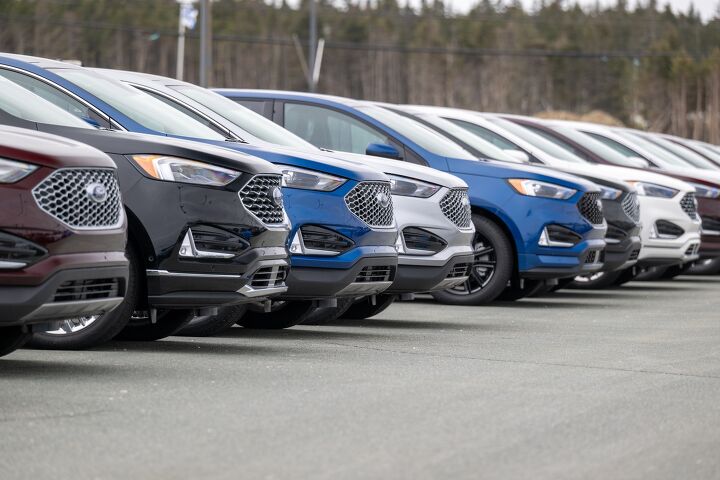
The desaturation of our automobiles is undeniable. One only needs to look at films or television programs made before the early 2000s for proof. The streets were awash with colorful vehicles from the post-war period to roughly the start of the 21st century.
There are still colorful cars available, of course. However, they haven’t been a priority for manufacturers or customers in decades. I’ve owned numerous red vehicles because I tend to purchase models based on specs and what’s immediately available at the dealership, rather than waiting around for a perfect paint option that may never come. But I don’t have a particularly strong affinity for the color and would normally prefer something less likely to catch the eye of the regional Highway Patrol.
But color is undoubtedly important to people who are less inclined to worry about powertrains, suspension components, interior layouts, and what kind of tires are equipped to the vehicle. Women in particular seem to care immensely about color, which is why models that manufacturers assume will appeal to female drivers (e.g. Chevrolet Trax) tend to come in a broader range of hues.
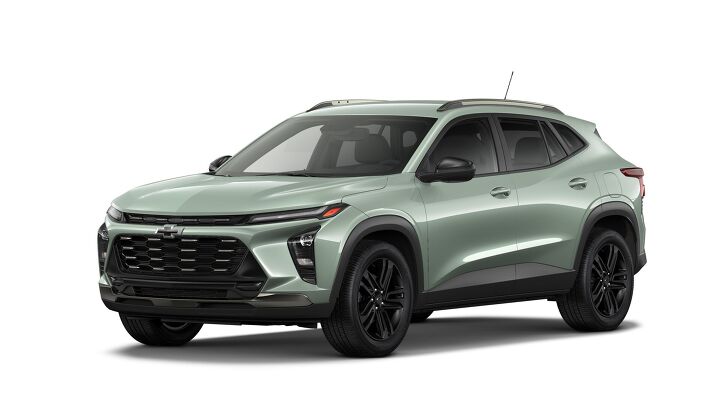
Still, grayscale has remained the de facto palette for modern automobiles. According to iSeeCars, black, white, gray, or silver now comprise about 80 percent of all new vehicle sales.
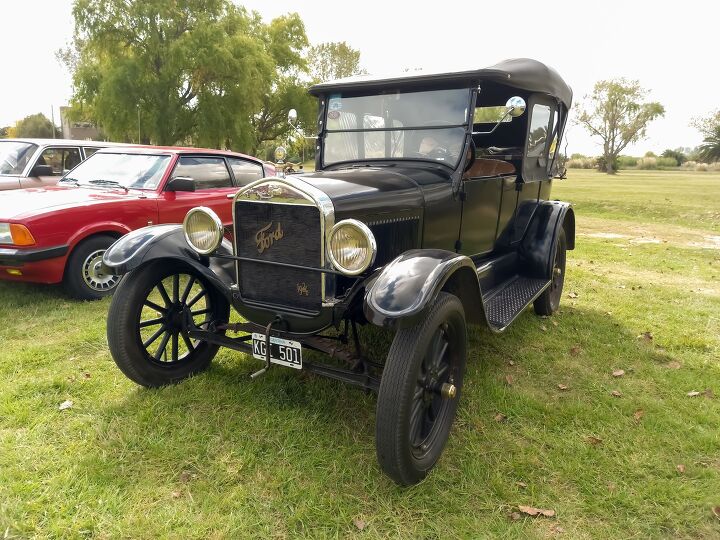
If we go back to the late 1990s, we can see that it was closer to a 50/50 split between grayscale paint schemes and every other pigment the mind can imagine. Peering even further into automotive history shows that color variety actually becomes the rule, rather than the exception. That remains true until we reach the days of the Ford Model T — which we know was sold exclusively in black during most of its production run to keep production and purchasing costs as low as possible.
Interestingly, the main reason the Model T (below) was initially sold in black has everything to do with why modern vehicles also trade so heavily in grayscale. Automakers continue to want to save themselves some money and mitigate risk.
Complicated colors often require extra work at the factory. Cars issued in deeper hues tend to require a little more time in the paint booth. Metallics use metal flakes that have to be carefully measured and undergo meticulous color matching between panels. Pearlescent colors similarly need thin layers of metal oxides and additional coatings to give the desired visual effect. Automakers don’t want to bother with that more than necessary and figure there’s no sense developing an elaborate paint option that probably won’t sell as much as white or black.
This is one reason why many automakers now ask buyers to spend significantly more on vehicles featuring even slightly interesting colors. Adding a bunch of paint options ultimately raises production costs and higher MSRPs are an easy way to offset the overhead. But this also ensures that there are more monochrome automobiles on the market, as plenty would rather snub the added expense.
Dealers don’t want to sit on potentially unpopular colors that might not sell and customers, who are now spending more on vehicles than ever before, are considering the resale prospects of whatever they’re buying. Grayscale cars tend to move quicker, whereas vibrant colors only help with resale value when the paint scheme is as rare as the actual vehicle. But the inverse is true on mainstream models, as the typical secondhand buyer isn’t going to want to pay a premium for oddball hues.
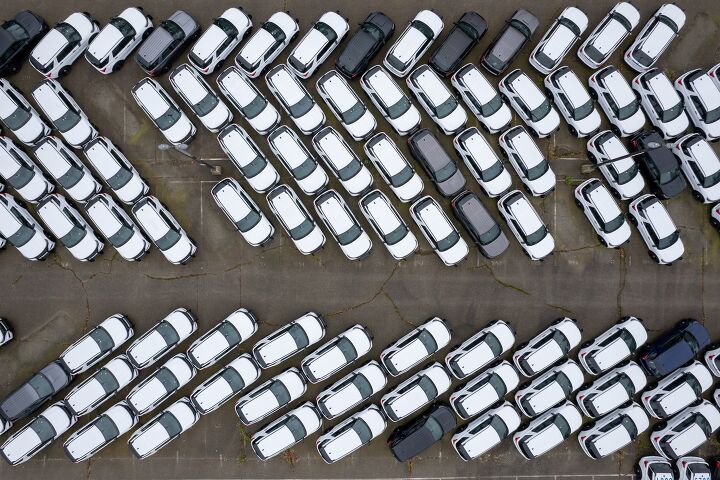
Fleet operators take this into account, too. They already trend toward white vehicles to create a sense of uniformity. However, they also know that it’s just easier to sell vehicles wearing neutral colors once the business decides to retire them.
Many paint options can likewise be tied to specific eras. For example, the 1990s was loaded up with jewel tones and vibrant metallics. But they’re bookended by decades where the cars trended toward neutral hues. Before that, earth tones and bellbottoms were all the rage.
There’s nothing wrong with the color trends in themselves. But buyers may associate specific paint jobs with being dated, discouraging interest more than something like black or white. The former always looks classy, assuming the owner has kept the vehicle clean, and the latter always tends to feel contemporary — which may explain why white is the most popular paint color globally, since it supplanted silver in 2011.
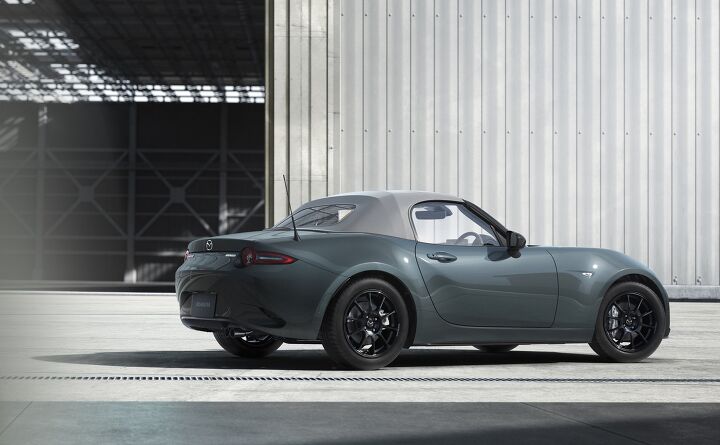
However, things continue to change. Despite basically every other color becoming consistently less popular since 1999, green paints have seen a modest resurgence over the last few years. Mazda even unveiled Zinc Green as its newest color earlier this week and we’ve seen green tints being added to plenty of other models over the last 36 months.
Browns (including beige and khaki) have also seen an uptick in popularity. But the hue was already so unpopular by the 2020s that it barely comprised 0.8 percent of the total market. Green, which as an estimated 2.2 percent share of all new vehicles sold in North America, is doing decidedly better.
Granted, they still are as common as red or blue — which boast a 7 and 8 percent share, respectively. But those colors continue to lose ground to black, white, and gray whereas the earth tones look be gaining. We’ve likewise seen companies starting to offer two-tone paint schemes to a limited extent.
This obviously falls short of there being a legitimate color renaissance on the horizon. There’s nothing to suggest that we’re about to return to the many hues of the 1960s or normalized pastels seen in the 1950s. However, we may be nearing peak grayscale.
"Trend data clearly shows the palette evolving rather than stagnating," Gloria Jover, automotive expert for the New Jersey-based Pantone Color Institute, recently told Car and Driver.
The popularity of colored cars has improved by an estimated two percentage points since about 2020, which we can attribute primarily to there being more green automobiles on the market. As previously mentioned, green went from being one of the least popular colors for vehicles to being one of the only hues that saw any meaningful gains.

American paint supplier PPG Industries even named “Secret Safari” and “Warm Mahogany” as its Colors of the Year for 2026. The former (above) is a light green with khaki undertones and the latter is a deep brown with subtle purple undertones. In fact, a majority of PPG’s winning tones over the last decade have been a variant of either green or brown. The other colors were often deep purples, which we’ve also seen automakers begin to use.
"Smoked neutrals — subtly tinted brownish or greenish greys infused with delicate chromatic undertones — are gaining traction," noted Pantone’s Jover, who added that most new color trends are first being tested on all-electric vehicles.
While your author couldn’t be more excited about the prospect of there soon being more green and khaki vehicles, it’s hard to take the word of the world’s biggest paint purveyors. The statistics likewise don’t showcase a clear and sudden pivot to brightly colored automobiles. EVs leading the charge on the most interesting hues also doesn’t hold much promise considering they’re not selling in large volumes.
At best, it looks like we’re getting a few more earth tones this year — most of which are intentionally designed to be as neutral as possible.
Whatever change is actually taking place within the industry presently looks to be as muted as the paint trends themselves. That said, even a slight increase in non-grayscale colors is still a change from the status quo and could eventually lead to your daily commute becoming a little more vibrant. Just don't expect to notice any major changes to the automotive landscape overnight.
[Images: Mr.Nikon/Shutterstock; General Motors; Wirestock Creators/Shutterstock; BvlkPearl/Shutterstock; Mazda; PPG Industries; Dolores M. Harvey/Shutterstock]
Become a TTAC insider. Get the latest news, features, TTAC takes, and everything else that gets to the truth about cars first by subscribing to our newsletter.
via Autobuzz Today
Comments
Post a Comment