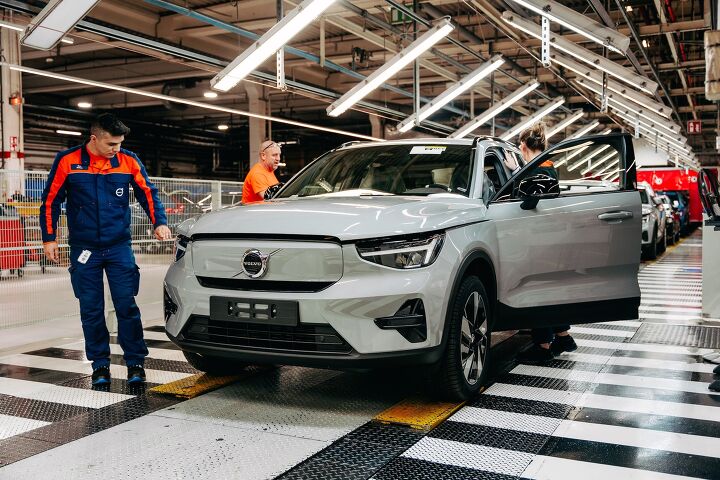
This week, the big news was all about Polestar being forced out of the United States due to new rules that prohibit the importation and sale of connected automobiles using code originating from China or Russia. However, everyone is now wondering how exactly Volvo Cars managed to survive this rule when Polestar did not.
Those interested in the finer details of what happened, can read our coverage regarding what Polestar had to say about the matter. Considering the EV brand established a facility in South Carolina to avoid tariffs, and announced a plan to revise its whole lineup in February, the departure does indeed seem like something that was forced upon the company.
Granted, there’s reason to believe that the automaker may also have found itself a convenient excuse to exit a market that wasn’t terribly lucrative for the brand. But there’s nothing to indicate that based on how leadership had been discussing its strategy right up until recently.
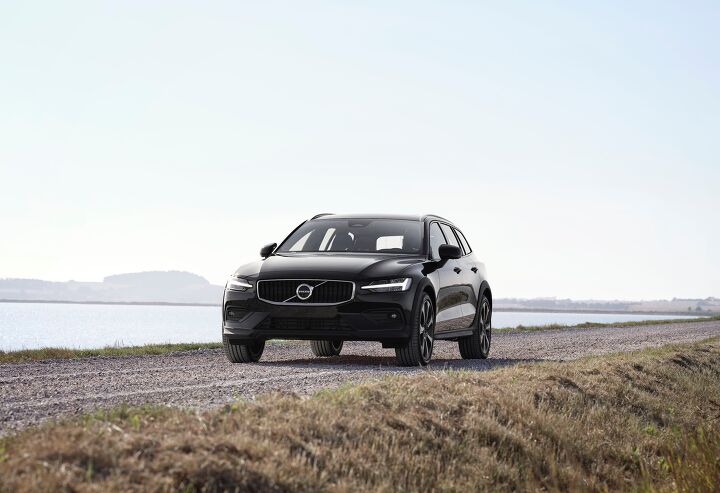
Whatever the case, the official reasoning for the departure is that Polestar products failed to adhere to the Connected Vehicle Rule that was implemented by the Bureau of Industry and Security. The brand is owned by China’s Geely and failed to meet the regulatory requirements. But so is Volvo, which curiously was given a pass by U.S. regulators earlier this year.
By contrast, Polestar has stated that it doesn’t even know what the fate of select models will be due to having been abruptly told by U.S. authorities that it would be deemed noncompliant in 2027. Spokespeople have suggested that the brand will be working closely with Volvo before everything is settled. But how exactly did Volvo pass muster when Polestar did not?
Volvo’s deal required the automaker to restructure its data governance and technology architecture in a way that ensured information would not be sent to China. Presumably, Polestar was either unwilling or incapable of doing the same. The assumption is that it was perhaps more dependent upon Geely than its sibling brand.
But there’s also a chance that Volvo was just offered a sweeter deal by the U.S. government since it’s the larger automaker by far. It’s no secret that the federal government has grown increasingly comfortable with placing a thumb on the scale of commerce over the years.
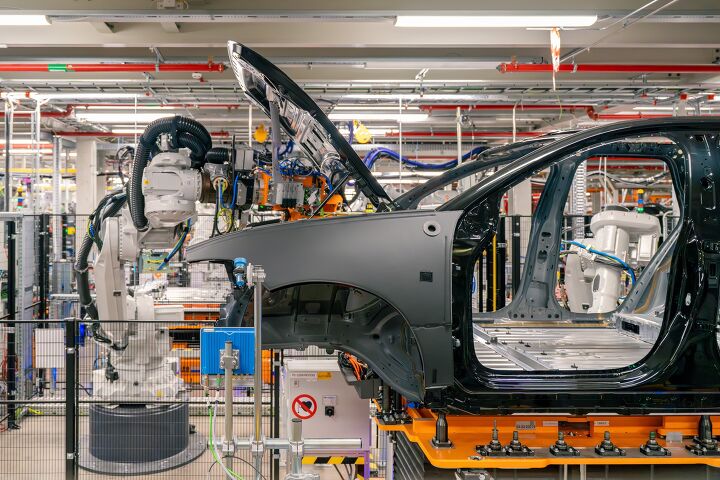
The decision may have simply hinged on the fact that banning both brands from operating domestically would have assuredly resulted in the closure of their shared plant in Ridgeville, South Carolina. Layoffs tend not to be popular with voters. But that reasoning is entirely speculative and will likely remain so until the government miraculously becomes more transparent.
Volvo has said the deal came after significant discussions with regulators. Considering how lucrative data has become for automakers, any promises not to share that information with foreign entities is a pretty big deal. But we only have a general understanding of how the company intends on securing its data and are slightly dubious about how effective it will actually be. Data breaches have only grown more widespread since connected vehicles and online services were made commonplace.
Last month, the company announced it had been granted a specific authorization from the Office of Information and Communications Technology and Services under the “Securing the Information and Communications Technology and Services Supply Chain: Connected Vehicles” rule.

“Under the rule Volvo Car USA was required to follow a process with the U.S. Department of Commerce to obtain a specific authorization for the continued import and sale of connected cars in the [United States],” explained Volvo. “The process is carried out on a case-by-case basis and the issuance of a specific authorization follows constructive discussions with the U.S. Department of Commerce and other U.S. officials regarding Volvo Cars' governance, technology and data security.”
The rest of the release was devoted entirely to the automaker’s U.S. investments, perhaps indicating that it held some additional relevance during negotiations with regulators.
Polestar apparently wasn’t so fortunate. But neither company really seems to have a firm handle on why or, at the very least, doesn’t wish to discuss the topic with the public. We’ve likewise been left curious about the fate of a few vehicles imported from China by domestic brands. Both General Motors Co. and Ford Motor Co. have models that are manufactured in China and shipped into the U.S.
Even if the software used on those vehicles somehow avoids any Chinese code by 2027, these new regulations also prohibit automobiles from using Chinese hardware by 2030. While those brands are reportedly seeking exceptions for the relevant models, one wonders what the point of the rule was if the more established automakers can simply beg the government to let them slide.
[Images: Volvo Cars]
Become a TTAC insider. Get the latest news, features, TTAC takes, and everything else that gets to the truth about cars first by subscribing to our newsletter.
via Autobuzz Today
Comments
Post a Comment