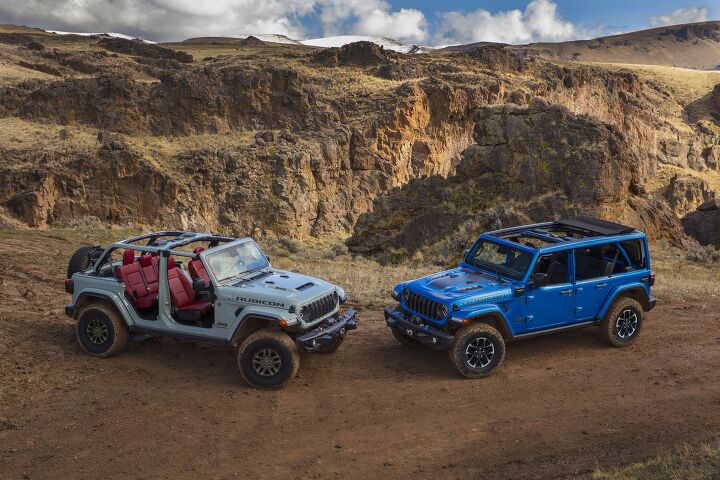
Jeep has decided to recall more than 1 million Wrangler and Gladiator models that pose a potential fire risk. Based on documents filed with the National Highway Traffic Safety Administration (NHTSA), the potential hazard persists even when the vehicle is not running.
As you might expect, the resulting safety recommendation is for owners to keep affected vehicles parked outside and away from other structures. The culprit for the defect is faulty wiring on the electric hydraulic power steering pump on Gladiators and Wranglers from the 2021–2025 model years.
The official recall count pertains to 1,076,699 vehicles, which should be every single example produced within the relevant timeframe. On the upside, Stellantis estimated that only about 0.1 percent of the whole population actually possesses the defect.
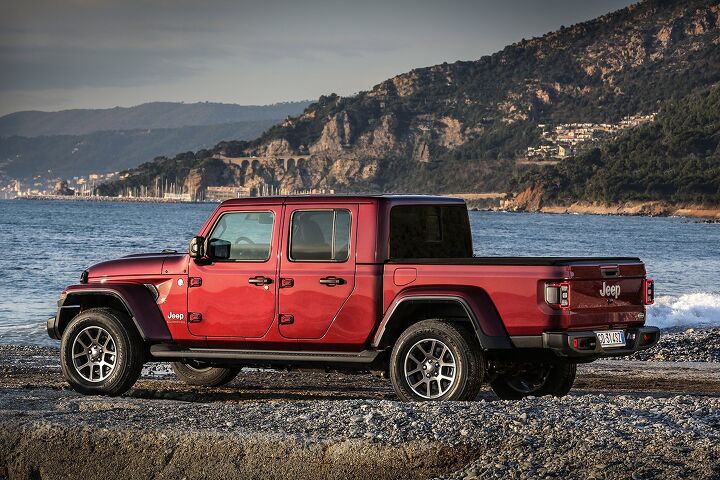
Based on the report, the issue stems from connections within the electro-hydraulic power steering pump being susceptible to high resistance. A surplus of resistance creates excess heat and, in some cases, can cause the surrounding materials to combust.
Older units used belt driven pumps. However, early versions of the newer units (which first saw production in 2018) don’t appear to be impacted by the recall. However, they did receive an unrelated steering-focused recall during their first year on the market. The NHTSA likewise has a recall on file for the 2020-2022 Chrysler Pacifica for similar reasons. Another investigation had previously been launched looking into older Pacifica models over complaints about power steering failures.
We’d advise any Stellantis customers noticing issues with their power steering system to have it looked at right away and absolutely consider parking their vehicle outside. If you happen to own one of the models contained within the recall, parking them outdoors becomes non-negotiable.
Stellantis said that it first noticed an issue on the Wrangler and Gladiator leading up to 2023 and launched a preliminary investigation in May of that year. Subsequent customer incidents forced that automaker to revisit the matter in 2024. The NHTSA’s Office of Defect Investigations became involved in September 2024.
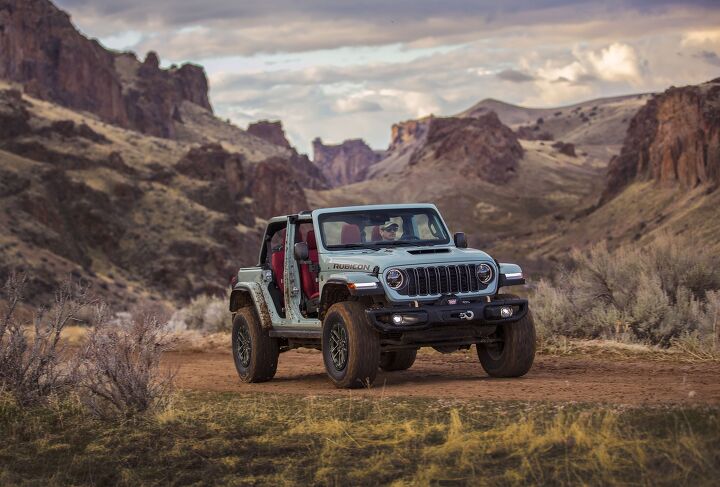
Following the NHTSA’s involvement, the manufacturer claims to have continued giving extra attention to all engine fires, hoping to find the “origin and cause while concurrently analyzing data for trends.” It also said it worked with the administration on the problem.
However, federal regulators became impatient and eventually issued an Information Request (as part of investigation PE24-024) in March of 2025. Stellantis (listed in the report as “FCA US Technical Safety and Regulatory Compliance”) complied with the request in May, having claimed to have finally uncovered the source of the problem.
According to the automaker, “FCA US TSRC learned the [Electric Hydraulic Power Steering Pump] header was manufactured out of specified tolerances, resulting in insertion forces which exceed the specification. Increased insertion forces can lead to spread terminals and reduced likelihood the EHPSP electrical connector will be fully connected to the EHPSP header. Both of these conditions can lead to high resistance in the EHPSP electrical connection. Additionally, FCA US TSRC received notification of a terminal push out condition on the EHPSP electrical connector, which can result in high resistance.”
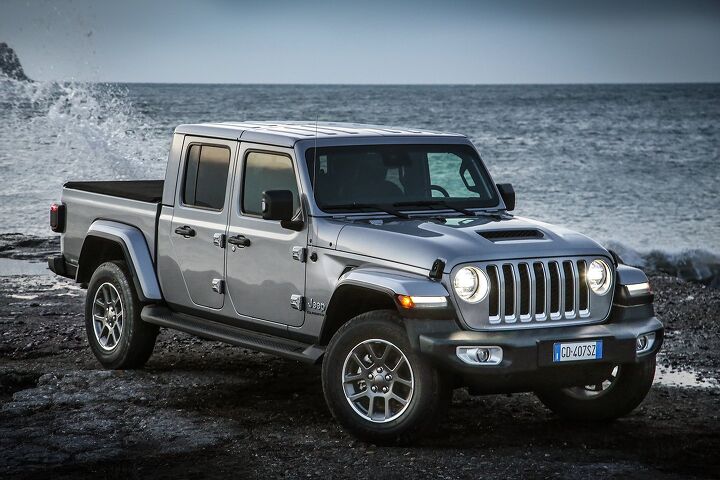
From here, the company attempted to buy back select vehicles and engage in parts analysis while also working to recreate the defect. The automaker met with the NHTSA to discuss its options in November of 2025. The following year resulted in Stellantis/FCA US sending routine reports to regulators on subsequent instances where the defect had created problems, vehicle fires taking top priority.
As of May, the automaker stated that it was aware of 63 customer assistance records and 72 field reports — 35 of which are confirmed to originate at the EHPSP interface. But it said that it was not aware of any accidents and only a singular injury potentially related to this issue for all markets.
The current plan is to simply replace the defective components free of charge. However, dealers won’t be abridged of the situation until later this week and customer notifications aren’t scheduled to commence until July 9. If you’re concerned about your vehicle, you’re encouraged to contact the manufacturer or head over to the NHTSA recall website. The recall code is 26V363.
[Images: Stellantis]
Become a TTAC insider. Get the latest news, features, TTAC takes, and everything else that gets to the truth about cars first by subscribing to our newsletter.
via Autobuzz Today
Comments
Post a Comment