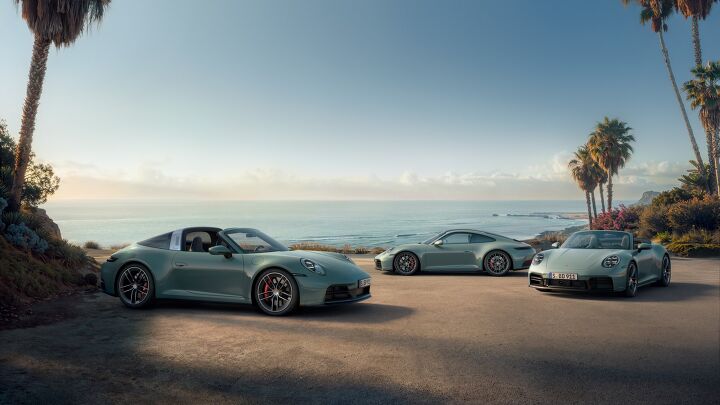
Porsche reportedly opting to snub volumes to chase margins, with the CEO going so far as to suggest the automaker will be reducing its own production capacity.
The alleged reason is increased operating costs and diminished demand, which was discussed during an interview between Germany’s Frankfurter Allgemeine Zeitung (FAZ) and Porsche CEO Michael Leiters. Due to a sharp decline in Chinese deliveries, Porsche dropping a couple of popular models in Europe, and an increasingly bleak economic landscape, volumes could absolutely be better for the brand.
Those declining sales figures, which we’ll soon explore in greater detail, were accompanied by increased spending due to U.S. tariffs, regulatory compliance, and the business undergoing a “strategic realignment" to address its former commitment toward all-electric vehicles. Taking a gander at the earnings report Porsche issued to investors in March, we can see that the last item is estimated to have cost the company almost €2.5 billion (about $2.85 billion), with another €700 stemming from “additional expenses from battery activities.”
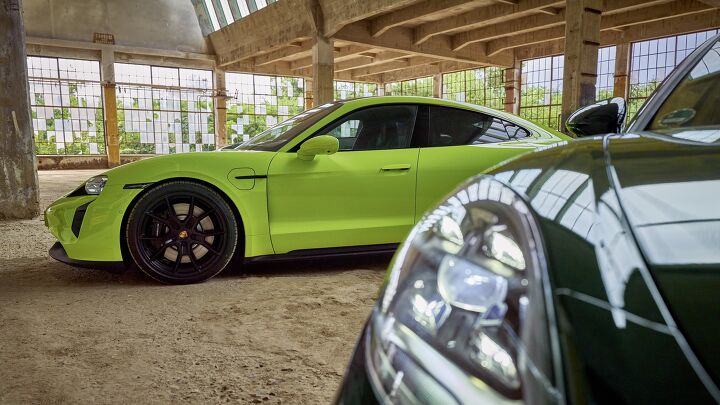
Combined, these factors resulted in the automaker’s operating profits collapsing by about 92 percent last year, yielding just €413 million (or about $470 million). That figure was a whopping €5.64 billion just a year before, highlighting just how bad things have gotten in a relatively short timeframe.
“Porsche has to make money even with fewer cars,” explained the CEO, hinting that replacements for discontinued models were still forthcoming.
He stressed the rising cost of doing business, including rectifying past mistakes, played a role. But it’s difficult to say what the ideal solution would be. Raising prices during a period of economic duress is typically a poor idea for mainstream companies. However, Porsche tends to cater to a wealthier clientele. It may be possible for the brand to introduce new models with higher MSRPs and even follow in Dodge’s footsteps by offering expensive, limited-edition variants of preexisting automobiles before their production runs conclude.
Crazier things have happened.
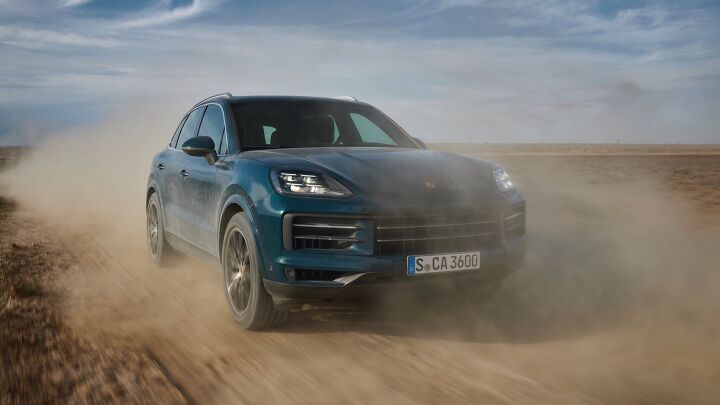
We often forget that Porsche was mocked relentlessly when the company introduced the Cayenne during the 2002 Paris International Auto Show. The entire premise of an automaker known primarily for fielding sports cars selling an SUV felt completely ridiculous at the time. But crossovers quickly went mainstream and helped drive sales for the brand, setting the stage for consistent profitability. Margins were good on the Porsche Cayenne and sales volumes were even better.
However, things have been changing throughout the industry in recent years as some developed markets now look to have achieved peak saturation. Many mainstream automakers have begun stressing margins over volume and now fancy themselves as tech companies. The internal assumption is that Porsche, which is already a niche brand, is better off following the latest trends.
Deliveries declined to just 279,449 units in 2025. That’s a far cry from the record setting 320,221 vehicles Porsche sold in 2023 and more in line with the 2020 slump that resulted from the global response to the Covid pandemic. Sadly, 2026 doesn’t look to be setting the automaker up for a rebound — as the company signaled a noticeable decline in demand through the first quarter.
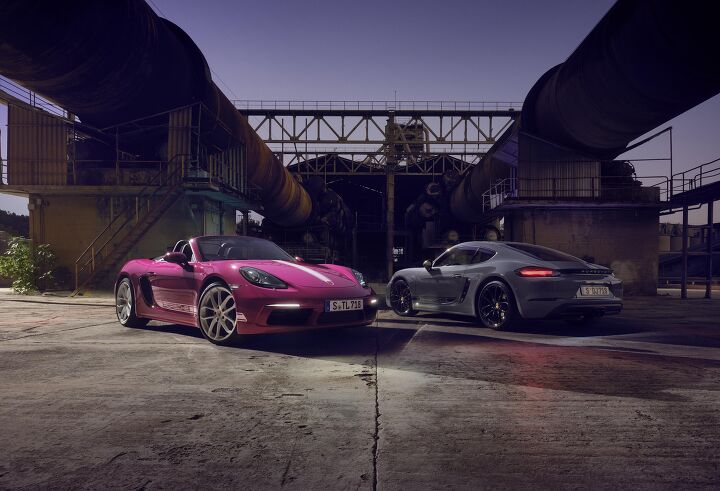
Porsche is also confronting a situation where several of its volume models no longer exist on the home market. The Macan and 718 (above) had to be discontinued in Europe for failing to adhere to stringent new (UNECE R155) cybersecurity regulations stipulated by the EU. While the company could have updated the vehicles, doing so would have been expensive and potentially foolish considering they were both scheduled to be replaced soon.
But those vehicles have yet to arrive, resulting in the 718 and Macan (below) persisting on other markets. We likewise don’t know exactly what Porsche has planned for the future. Despite routine promises that forthcoming models would see widespread electrification, those products haven’t been broadly embraced by the public. This has presumably created some very serious problems for vehicle development cycles.
In the German piece, Leiters suggested that Porsche was doing what it could to cater to customers. There were likewise claims made that some planned models may have been axed, specifically those pushing full electrification.
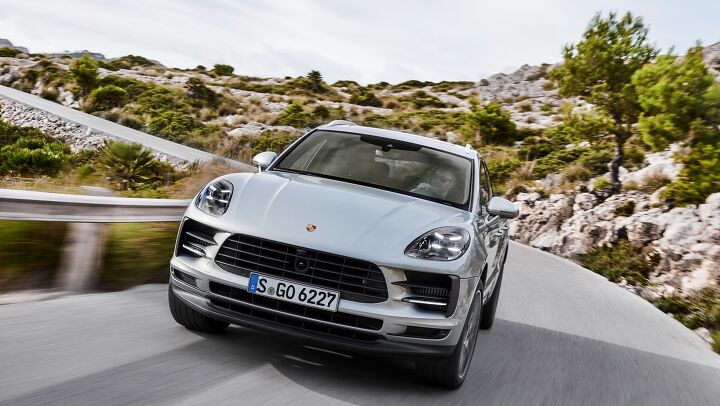
Motor1, which was the first outlet to cover the article in English, noted that Porsche may even expand its portfolio by leveraging numerous powertrains and hinted that the whole company could simply attempt to pivot even further upmarket.
From Motor1:
FAZ reports that the future of a previously announced large three-row SUV positioned above the Cayenne is currently uncertain. Codenamed K1, the model was initially planned as a fully electric vehicle before Porsche went back to the drawing board to add combustion engines. Zuffenhausen is now allegedly undecided on whether to proceed with the flagship SUV at all.
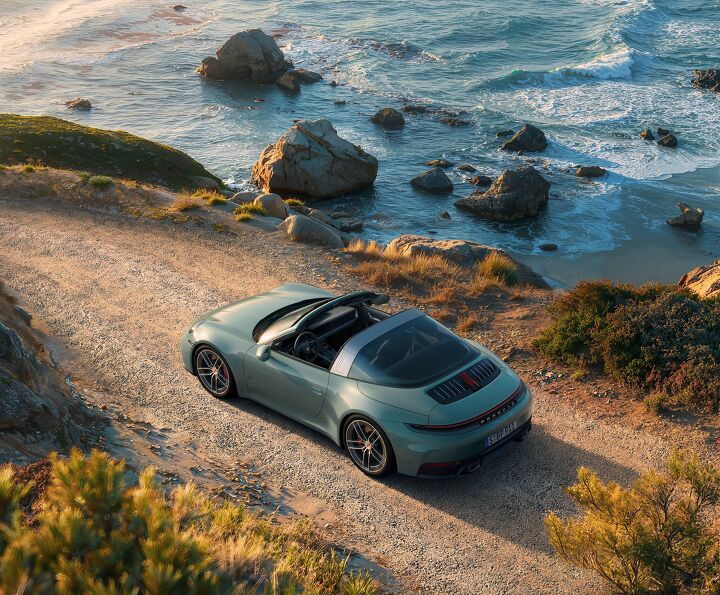
Elsewhere in the lineup, a new performance model positioned above the 911 could still happen. Back in March, Porsche told Motor1 a hypercar is under consideration alongside a new grand touring model, but the future of both depends on customer feedback. Updates on how the lineup will evolve are expected this fall. We should also learn more about the new compact crossover set to replace the first-generation Macan, which goes out of production this summer.
Porsche also wants to deepen its ties with Audi to reduce costs, which FAZ cites Leiters as saying have “spiraled out of control” in recent years. The CEO declined to comment on new rumors suggesting further workforce reductions of between 2,000 and 4,000 employees. He did say a new cost-cutting program is likely to be finalized before the usual summer break in July.
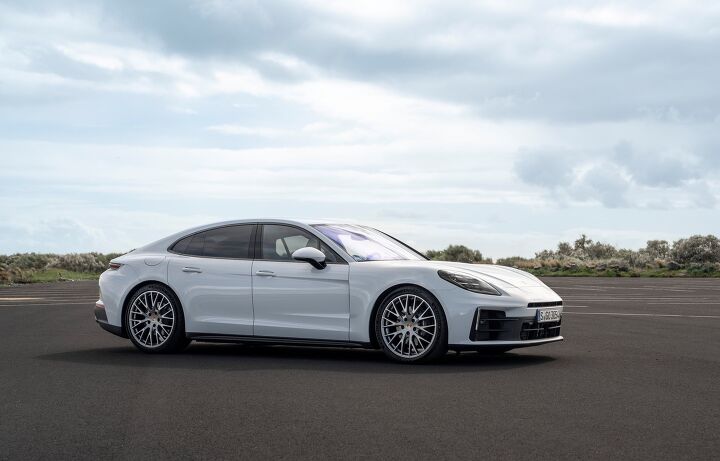
To be fair, Porsche is confronting a lot of the same problems as the mainstream brands. Fifteen years ago, practically everyone had decided that EVs were the future and are now scrambling due to that not being the case. That’s not to suggest that any of the above issues are good signs for Porsche. But these are problems shared with loads of automakers that lack much of the cultural cachet of the German performance brand.
There is also a big difference between Porsche having to improve margins due to a lack of volume and leadership actually wanting that outcome. Nothing about what Leiters said suggested that this was part of a preplanned strategy and instead suggests that Porsche was simply having to play the hand it was dealt.
Obviously things are certainly more complicated than that. While regulations and economics are certainly playing a significant role, someone at the company still had to make those earlier decisions that are now serving as development setbacks. But the current situation at Porsche is deciding how to best cope with the present obstacles and synergize with the rest of Volkswagen Group.
[Images: Porsche]
Become a TTAC insider. Get the latest news, features, TTAC takes, and everything else that gets to the truth about cars first by subscribing to our newsletter.
via Autobuzz Today
Comments
Post a Comment