When the United States government announced that automakers would be issued billions in tariff refunds, some of their customers noticed that they had already paid the difference by way of increased vehicle prices. One man is using this as the basis of a class-action lawsuit against Ford that demands the company repay him for already having absorbed the cost.
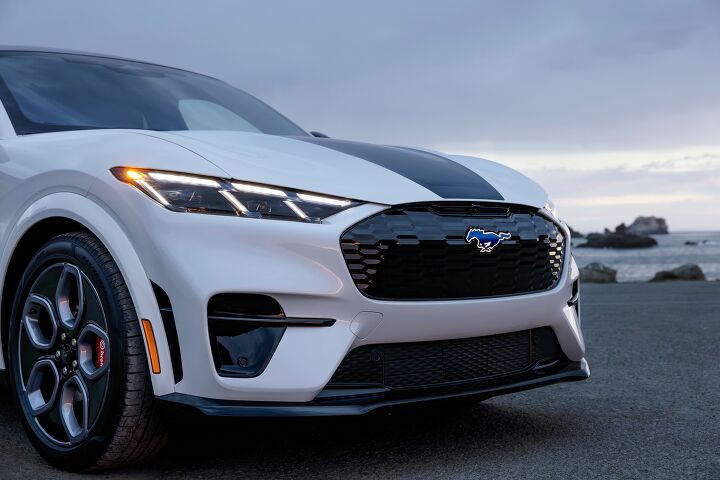
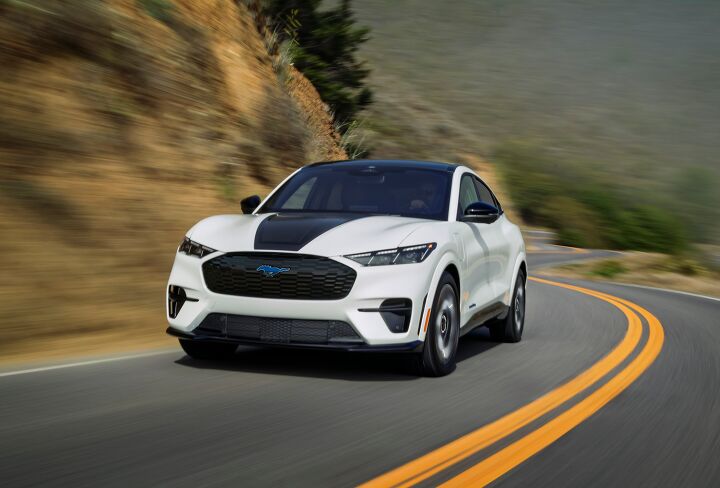
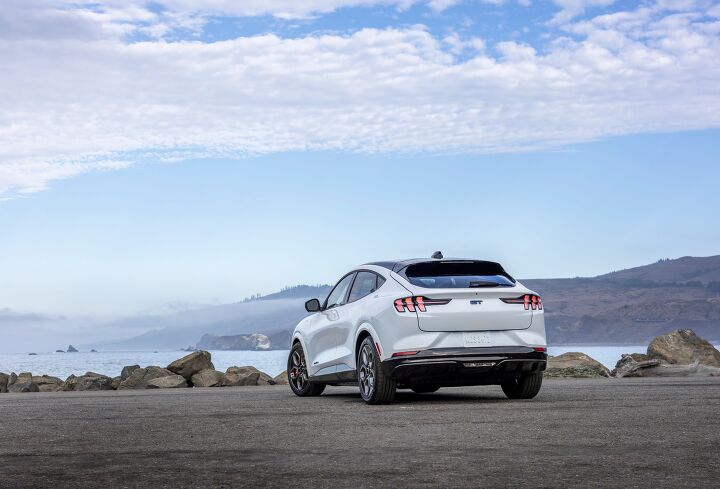
Filed in Michigan on June 9th, the suit alleges that Ford Motor Co. owes its customers a refund. But the case centers around one Mach-E owner from San Diego, California, who is asserting that he paid extra for his vehicle by way of increased destination fees and a higher MSRP.
"If Ford retains the (tariff refunds) while also retaining the tariff-related price increases paid by consumers, Ford will receive a double recovery and unjust windfall," The Detroit News quoted the filing as saying.
Plaintiff Jason Bullock’s car is alleged to qualify for recompense from tariff-related overcharges due to being subject to higher import fees. However, we already know that automakers tended to raise their prices across to help limit sticker shock on any singular model.
Here’s the background: President Donald Trump had imposed expanded tariffs on automobiles on the grounds that they would help encourage companies to allocate more of their manufacturing and parts supply domestically. The biggest of these was the 25-percent fee that was applied to imported vehicles (and parts) starting in April of 2025.
Even though it’s technically legal for a U.S. president to issue tariffs under the 1977 International Emergency Economic Powers Act (IEEPA), The Supreme Court ultimately ruled that he had still overstepped in certain areas. Federal courts followed suit by deciding that companies would need to be reimbursed for the extra money they were required to spend as part of the new importation fees.
While numerous industries were impacted, the automotive sector saw some of the largest refunds. Individual companies could count on receiving hundreds of millions if not billions of dollars.
However, those companies had already passed those expenses onto their customers. Many brands had even made announcements that vehicle prices would need to increase to account for the new tariffs. This was actually something we had seen before, when the Trump administration first floated the idea of imposing new tariffs years earlier.
With those same businesses now seeing massive refunds, which will be sourced entirely from the U.S. taxpayers, people are feeling understandably disgruntled.
Lawsuits are hardly limited to automakers. Even though we’re focused on the automotive side of things, we have seen similar legal actions being taken against numerous retailers and manufacturers of consumer goods.
Debating the fairness of the matter feels relatively straightforward. Carmakers are already heavily subsidized by the government and have remained (for the most part) exceptionally profitable over the last several years. Tariffs risked reducing that profitability significantly, so companies raised prices and placed much of the financial burden on their customer base. If these refunds are sufficiently comprehensive to nullify the last round of tariffs, then those customers have effectively been gouged.
But the math is tricky because plenty of the auto-related tariffs have remained in place, deemed by the courts to be largely outside the purview of the IEEPA. Vehicles sold in the United States are likewise still heavily reliant on global supply chains.
Kelly Blue Book suggested that drivers could expect to see car prices increase by as much as $6,000 on vehicles priced under $40,000. Other outlets estimate that the average could be anywhere from $2,000 and $10,000, depending upon what you’re buying.
If that seems wildly unrealistic and wholly unsustainable, we’re inclined to agree. But that doesn’t make it less plausible when we look at the data. We’ve already seen prices absolutely skyrocket in recent years. The average new vehicle price has increased by roughly 30 percent since 2019 and jumped by over $1,300 during the first quarter of 2026.
Ford may be getting an estimated $1.3 billion back from taxpayers but its legal department will presumably argue that it’s still operating under sizable pressure from tariffs. Even though the manufacturing history of Mr. Bullock’s Mach-E probably makes it the best example for the lawsuit, the model is likely to have been subject to other indirect tariffs that fall outside the purview of the refund and USMCA exemptions. As noted before, automakers also don’t typically raise prices on a single model to account for increased overhead. Companies tend to be spread around the lineup to soften the blow.
There’s a plethora of factors to consider and there’s no way of knowing exactly how the court will handle them. While the discovery phase may help determine how much of the cost trickled down to customers, something that’s been troublingly nebulous, it’s difficult to say whether even a favorable ruling from the plaintiff will result in any meaningful changes.
[Images: Ford Motor Co.]
via Autobuzz Today
Comments
Post a Comment